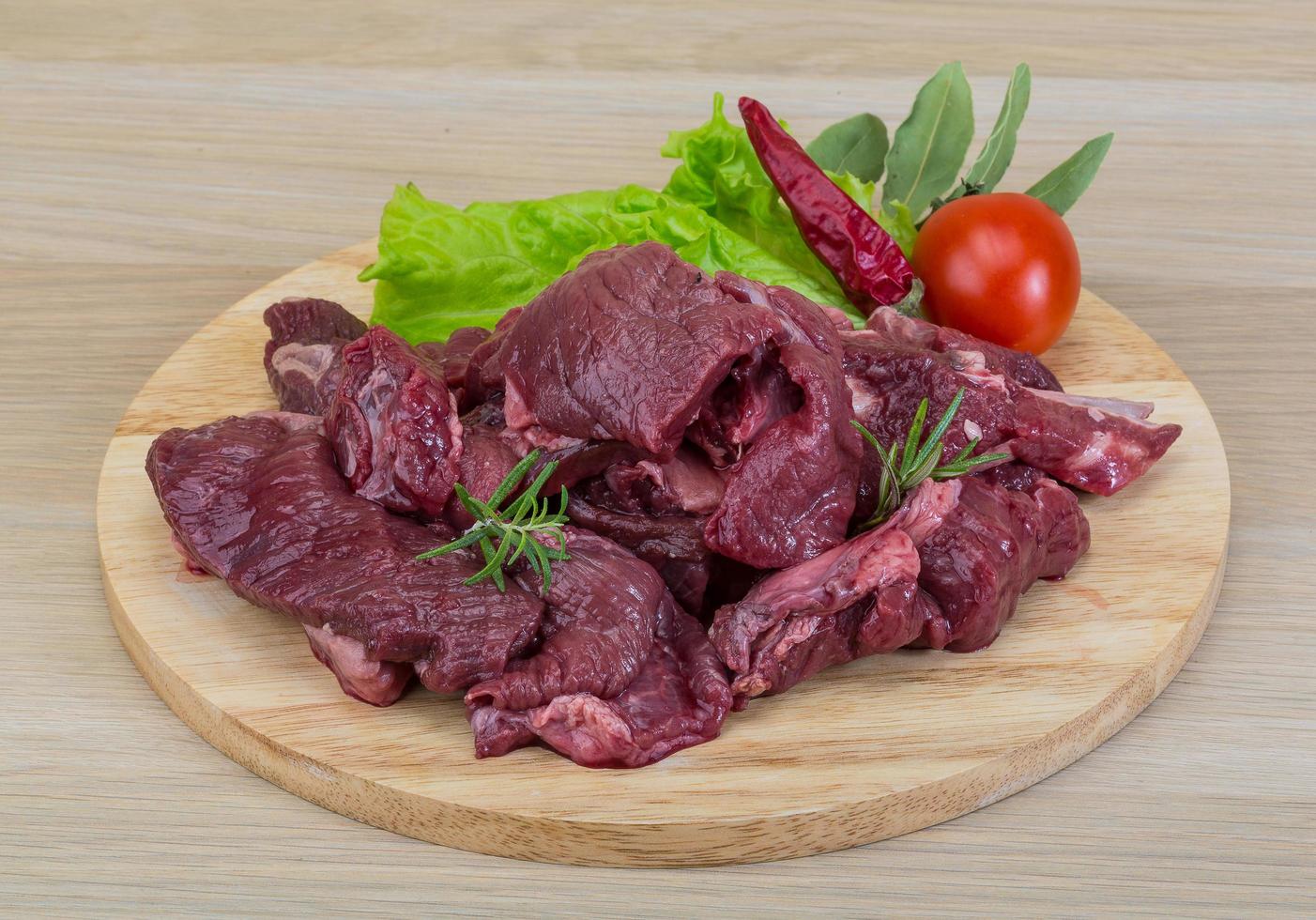
Is Meat Gluten Free?

Is Meat Gluten Free?

Generally speaking, plain meat (such as beef, pork, chicken, turkey, and fish) is naturally gluten-free. However, it’s important to be cautious with processed meats or meat products that may contain additives or fillers, as these could potentially introduce gluten into the product.

TL;DR

Generally speaking, plain meat (such as beef, pork, chicken, turkey, and fish) is naturally gluten-free. However, it’s important to be cautious with processed meats or meat products that may contain additives or fillers, as these could potentially introduce gluten into the product.

Quick Tips

1

High-quality protein source: Meat provides all essential amino acids needed for bodily functions and muscle growth.

2

Rich in iron: Especially red meat, which helps prevent anemia and supports oxygen transport in the blood.

3

Vitamin B12: Essential for nerve function and red blood cell formation, primarily found in animal products.

# In This Article

3 sections

Quick navigation to each section of this article:

1 Benefits of Meat

High-quality protein source: Meat provides all essential amino acids needed for bodily functions and muscle growth.

Jump
2 Who should avoid Meat

Individuals with certain health conditions: – High cholesterol – High blood pressure – Heart disease – Some types of cancer (especially colorectal cancer) – Gout

Jump
3 Related Gluten Free Products

Here are five gluten-free options similar to Meatand, along with short descriptions:

Jump

Benefits of Meat

Benefits of Meat
High-quality protein source: Meat provides all essential amino acids needed for bodily functions and muscle growth.
Rich in iron: Especially red meat, which helps prevent anemia and supports oxygen transport in the blood.
Vitamin B12: Essential for nerve function and red blood cell formation, primarily found in animal products.
Zinc: Important for immune function, wound healing, and DNA synthesis.
Selenium: An antioxidant that supports thyroid function and may help protect against certain cancers.
Vitamin B3 (Niacin): Aids in energy production and nervous system function.
Vitamin B6: Crucial for brain development and function, and helps create neurotransmitters.
Creatine: Found naturally in meat, it supports muscle energy and brain function.
Carnosine: An antioxidant that may help prevent various degenerative processes in the body.
Omega-3 fatty acids: Found in fish and some grass-fed meats, beneficial for heart and brain health.
Conjugated Linoleic Acid (CLA): Found in beef and lamb, may have various health benefits including reducing body fat.
Easily absorbed minerals: Such as iron, zinc, and selenium are more bioavailable in meat than in plant sources.Remember, these benefits can vary depending on the type and quality of meat, and should be part of a balanced diet.

Who should avoid Meat

Who should avoid Meat
Individuals with certain health conditions: – High cholesterol – High blood pressure – Heart disease – Some types of cancer (especially colorectal cancer) – Gout
Those following specific diets: – Vegetarians – Vegans – Plant-based dieters
People with ethical concerns: – Animal rights activists – Those opposed to factory farming practices
Individuals with environmental concerns: – People trying to reduce their carbon footprint – Those worried about deforestation and land use
Religious groups with dietary restrictions: – Some Buddhists – Some Hindus – Jains – Seventh-day Adventists (many are vegetarian)
People with specific meat allergies or intolerances
Individuals trying to lose weight or improve overall health
Those with digestive issues that are exacerbated by meat consumption
People concerned about antibiotic resistance due to use in livestock
Individuals worried about hormones or additives in conventionally raised meat
Those who simply dislike the taste or texture of meatRemember that dietary choices are personal and should be made in consultation with a healthcare professional when necessary.
ENJOY YOUR FAVORITE FOODS FEARLESSLY!
Don’t let gluten hold you back. Take Anti-Gluten Pills before your meal and enjoy peace of mind.
SHOP ANTI-GLUTEN PILLS
Clinically proven · Up to 86% gluten reduction · Fast acting

Here are five gluten-free options similar to Meatand, along with short descriptions:

Related Gluten Free Products
Beyond Meat: Plant-based meat alternative made from pea protein, offering products like burgers, sausages, and ground "beef" with a taste and texture similar to real meat.
Impossible Foods: Creates plant-based meat substitutes using soy protein, potato protein, and heme (a molecule that gives meat its flavor), known for its realistic beef-like appearance and taste.
Quorn: Mycoprotein-based meat alternative derived from fermented fungus, available in various forms such as nuggets, grounds, and fillets, with a texture resembling chicken or turkey.
Jackfruit: A tropical fruit with a meaty texture when young, often used as a pulled pork or chicken substitute in savory dishes, naturally gluten-free and low in calories.
Tempeh: Made from fermented soybeans, this protein-rich meat alternative has a firm, chewy texture and nutty flavor, making it suitable for grilling, frying, or use in stir-fries and sandwiches.

Health Information

? Frequently Asked Questions

4 questions
1 What common foods are gluten-free?
Many fruits and vegetables are naturally gluten-free. Meat, fish, poultry, eggs, and dairy products are also gluten-free options. Rice, quinoa, corn, and potatoes are gluten-free grains and starches that can be used as alternatives to wheat-based products. Nuts, seeds, legumes, and most oils are safe choices for those avoiding gluten as well.
2 Do sausages contain gluten?
Some sausages contain gluten while others do not. Gluten can be present in sausages through ingredients like wheat-based fillers or certain seasonings. However, many sausages are naturally gluten-free if made only with meat, spices, and other gluten-free ingredients. To be certain, it's best to check the label or ask the manufacturer about potential gluten content in specific sausage products.
3 Does some meat contain gluten?
Generally, plain meat does not contain gluten. Gluten is a protein found in wheat, barley, and rye, which are not typically present in unprocessed meat. However, some processed or prepared meat products may contain gluten as an additive or from cross-contamination during production. It's important for those with gluten sensitivities or celiac disease to carefully check labels and inquire about preparation methods when consuming meat products.
4 What foods are surprisingly gluten-free?
Many people are surprised to learn that rice, quinoa, and other whole grains are naturally gluten-free. Fruits and vegetables in their pure form are also gluten-free, including potatoes and corn. Most dairy products, eggs, meats, fish, nuts, and legumes are gluten-free as well. Surprisingly, some processed foods like certain brands of chocolate, potato chips, and ice cream can be gluten-free, but it's always important to check labels carefully.
LIVE GLUTEN-FREE WITHOUT THE FUSS!
Introducing Tolerase® G, clinically proven to reduce up to 86% of gluten in under 10 minutes. Experience the freedom to eat what you love.
SHOP ANTI-GLUTEN PILLS
150mg pure Tolerase® G · Reduces gluten by 86% · Under 10 minutes

Our Expert

Drs. Ilse van Asperen, Orthomolecular Therapist and Nutritional Coach

Drs. Ilse van Asperen

Orthomolecular Therapist, Nutritional Coach & Professional Editor

Drs. Ilse van Asperen is a medical doctor specialising in orthomolecular therapy and nutritional coaching. With a background in public and clinical health research and management, she focuses on addressing the root causes of health issues through diet, gut health, and stress reduction. As a professional editor for Little Helpers, she reviews all gluten-free content to ensure accuracy, safety, and scientific credibility. Read more on Drs. Ilse van Asperen's own website

Our Sources

The information on this page is based on reputable health and nutrition organisations, ensuring accuracy and reliability for anyone following a gluten-free diet. For further details, see the sources below.
Sources

Similar Articles

Back to blog