Is Salt Gluten Free?

Is Salt Gluten Free?

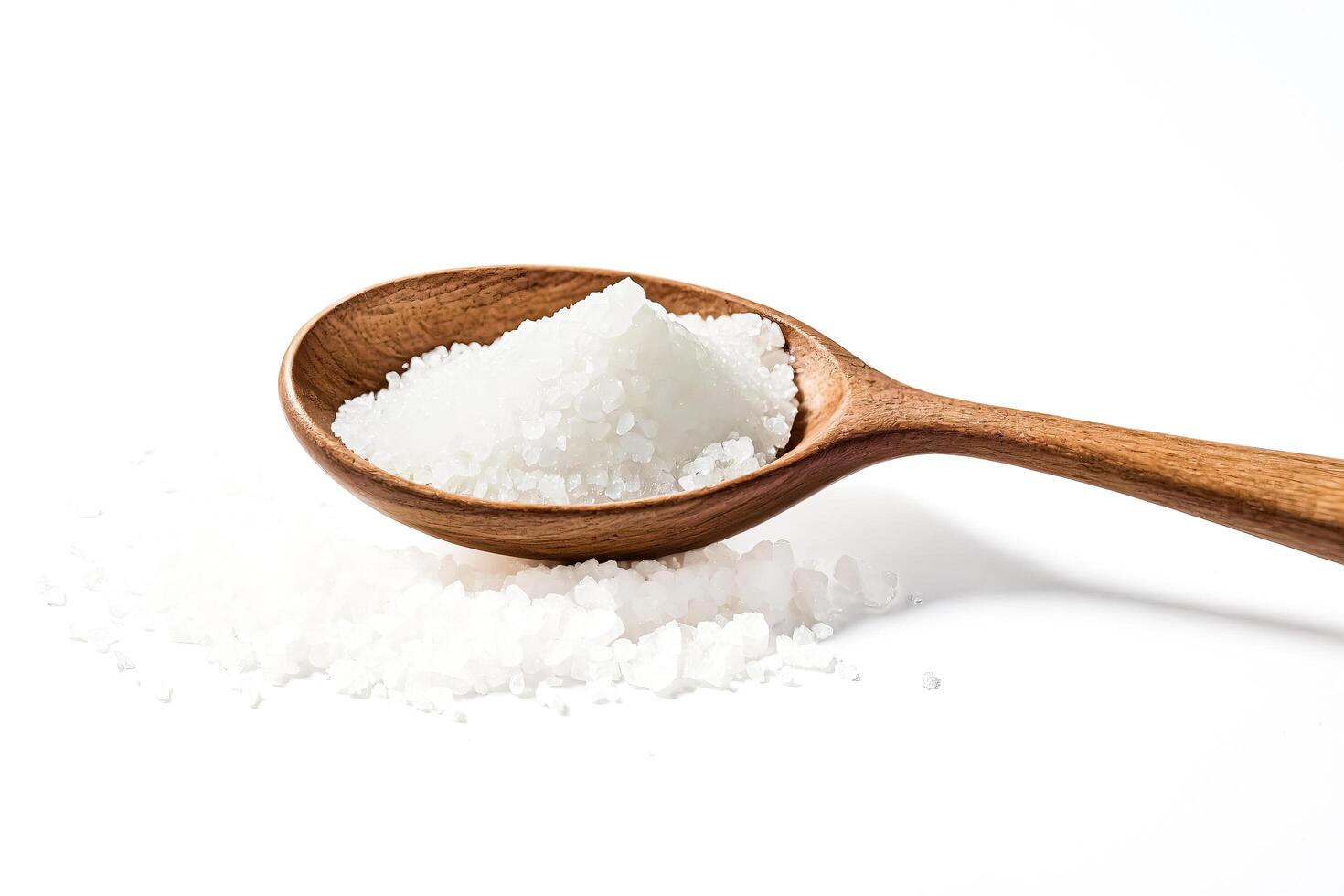
Yes, salt is gluten-free. Pure salt does not contain any gluten proteins, which are found in wheat, barley, and rye.

TL;DR

Yes, salt is gluten-free. Pure salt does not contain any gluten proteins, which are found in wheat, barley, and rye.

Quick Tips

1

Helps maintain proper fluid balance in the body

2

Essential for nerve and muscle function

3

Supports proper digestion by producing hydrochloric acid

# In This Article

3 sections

Quick navigation to each section of this article:

1 Benefits of Salt

Helps maintain proper fluid balance in the body

Jump
2 Who should avoid Salt

People with high blood pressure (hypertension)

Jump
3 Related Gluten Free Products

Here are five gluten-free options similar to Salt, along with brief descriptions:

Jump

Benefits of Salt

Benefits of Salt
Helps maintain proper fluid balance in the body
Essential for nerve and muscle function
Supports proper digestion by producing hydrochloric acid
Aids in nutrient absorption in the small intestine
Helps regulate blood pressure (in proper amounts)
Supports adrenal function
Assists in blood sugar regulation
Plays a role in maintaining bone density
Helps prevent dehydration, especially during intense physical activity
Supports thyroid function
Aids in clearing mucus plugs in the lungs
Can help relieve muscle cramps
Supports healthy sleep patterns
Plays a role in maintaining a healthy pH balance in the body
Acts as a natural antihistamineRemember, while salt is essential for health, excessive consumption can lead to health problems. It’s important to consume salt in moderation as part of a balanced diet.

Who should avoid Salt

Who should avoid Salt
People with high blood pressure (hypertension)
Individuals with heart disease or a history of heart attacks
Those with kidney disease or kidney stones
People with diabetes
Individuals with liver disease or cirrhosis
Those at risk for stomach cancer
People with Ménière’s disease (an inner ear disorder)
Individuals with osteoporosis
Those with fluid retention or edema
People over the age of 50
African Americans (who are more salt-sensitive)
Individuals with a family history of high blood pressure
Pregnant women (should consult with their doctor about appropriate salt intake)
People taking certain medications that can be affected by sodium levels (e.g., some antidepressants, pain medications)
Those with congestive heart failureRemember, it’s always best to consult with a healthcare professional for personalized advice on salt intake based on individual health conditions and needs.
ENJOY YOUR FAVORITE FOODS FEARLESSLY!
Don’t let gluten hold you back. Take Anti-Gluten Pills before your meal and enjoy peace of mind.
SHOP ANTI-GLUTEN PILLS
Clinically proven · Up to 86% gluten reduction · Fast acting

Here are five gluten-free options similar to Salt, along with brief descriptions:

Related Gluten Free Products
Tamari: A Japanese soy sauce made without wheat, offering a rich, savory flavor that's slightly thicker and less salty than regular soy sauce. It's an excellent gluten-free alternative for adding umami to dishes.
Coconut Aminos: A soy-free and gluten-free seasoning sauce made from coconut sap. It has a milder, slightly sweeter taste than soy sauce and is lower in sodium, making it a popular choice for those with dietary restrictions.
Liquid Aminos: A gluten-free, soy-based seasoning that provides a savory, salty flavor similar to soy sauce. It's often used as a condiment or in marinades and dressings.
Nutritional Yeast: A deactivated yeast that imparts a nutty, cheesy flavor to dishes. It's rich in B vitamins and often used as a seasoning in vegan and gluten-free cooking to add depth and umami.
Herbs and Spices: A wide variety of dried or fresh herbs and spices can be used to enhance flavor without adding gluten. Options like garlic powder, onion powder, paprika, and dried herbs can provide depth and complexity to dishes.

Health Information

? Frequently Asked Questions

4 questions
1 Is there gluten in salt?
No, there is typically no gluten in salt. Salt is a mineral composed of sodium and chloride, which naturally does not contain gluten. Gluten is a protein found in wheat, barley, and rye, which are not ingredients in salt. Pure salt is considered gluten-free and safe for those with celiac disease or gluten sensitivity.
2 Does Morton salt have gluten?
Morton salt does not contain gluten. It is a pure, single-ingredient product made only of sodium chloride. Morton Salt Company confirms that their table salt is gluten-free. This makes it safe for people with celiac disease or gluten sensitivities to consume.
3 What seasonings are not gluten-free?
Most pure spices and herbs are naturally gluten-free. However, some seasoning blends and mixes may contain gluten-containing ingredients. Common culprits include seasoning mixes that use wheat flour as a thickener or anti-caking agent. Always check labels carefully, especially for seasonings like soy sauce, teriyaki sauce, and some curry powders which often contain wheat-derived ingredients.
4 Does gluten-free mean no salt?
No, gluten-free does not mean no salt. Gluten-free refers specifically to the absence of gluten, a protein found in wheat, barley, and rye. Salt is a completely separate ingredient that does not contain gluten. A food can be both gluten-free and contain salt.
LIVE GLUTEN-FREE WITHOUT THE FUSS!
Introducing Tolerase® G, clinically proven to reduce up to 86% of gluten in under 10 minutes. Experience the freedom to eat what you love.
SHOP ANTI-GLUTEN PILLS
150mg pure Tolerase® G · Reduces gluten by 86% · Under 10 minutes

Our Expert

Drs. Ilse van Asperen, Orthomolecular Therapist and Nutritional Coach

Drs. Ilse van Asperen

Orthomolecular Therapist, Nutritional Coach & Professional Editor

Drs. Ilse van Asperen is a medical doctor specialising in orthomolecular therapy and nutritional coaching. With a background in public and clinical health research and management, she focuses on addressing the root causes of health issues through diet, gut health, and stress reduction. As a professional editor for Little Helpers, she reviews all gluten-free content to ensure accuracy, safety, and scientific credibility. Read more on Drs. Ilse van Asperen's own website

Our Sources

The information on this page is based on reputable health and nutrition organisations, ensuring accuracy and reliability for anyone following a gluten-free diet. For further details, see the sources below.

Sources

Similar Articles

Back to blog