Share
Quick Tips
1If in doubt, avoid indian breads without full ingredient disclosure or third-party certification.
2Don’t rely on generic terms like ‘natural flavours’ in indian breads—they may contain hidden gluten.
3Look for the Crossed Grain symbol or equivalent certification on indian breads packaging.
# In This Article
5 sectionsQuick navigation to each section of this article:
1 What Does Gluten-Free Indian Breads Mean?
A gluten-free indian breads must contain less than 20 parts per million (ppm) of gluten and cannot include wheat, barley, rye, or derivatives. Certified gluten-free products are produced in facilities that prevent cross-contamination and are clearly labelled to help shoppers make safe choices.
Jump2 Which Indian breads are safe for a Gluten-Free Diet?
Schär Gluten Free Naan is certified gluten free. Made with rice flour, potato starch, and corn flour, it replicates traditional naan while avoiding wheat.
Jump3 Which Indian breads are not safe for Gluten Free Diet?
Naan is not gluten free because it is made with wheat flour as its primary ingredient. The allergen declaration confirms wheat.
Jump4 How to Choose Gluten-Free Indian Breads
If in doubt, avoid indian breads without full ingredient disclosure or third-party certification.
Jump5 Final Thoughts
Reading ingredients isn’t enough. Gluten-free indian breads must be labelled, tested, and made in safe environments.
JumpWhat Does Gluten-Free Indian Breads Mean?
A gluten-free indian breads must contain less than 20 parts per million (ppm) of gluten and cannot include wheat, barley, rye, or derivatives. Certified gluten-free products are produced in facilities that prevent cross-contamination and are clearly labelled to help shoppers make safe choices. (According to FDA and EU Regulation 828/2014 on gluten-free labeling standards.)
Which Indian breads are safe for a Gluten-Free Diet?
| Product | Details |
|---|---|
| Schär Gluten Free Naan | Schär Gluten Free Naan is certified gluten free. Made with rice flour, potato starch, and corn flour, it replicates traditional naan while avoiding wheat. The gluten free certification mark ensures it is safe for celiac patients. |
| BFree Gluten Free Pita Breads | BFree Pita Breads are certified gluten free. Made with rice flour, corn starch, and pea protein. Packaging shows gluten free certification, making them safe for gluten free diets. |
| Against the Grain Gluten Free Flatbread | Against the Grain Flatbreads are gluten free. Made with tapioca flour, mozzarella, and eggs. Labeled gluten free and produced in safe facilities. |
| Katz Gluten Free Challah Rolls | Katz Challah Rolls are gluten free and certified safe. Made with rice flour and potato starch. Produced in dedicated gluten free facilities. |
| Rudi’s Gluten Free Tortillas | Rudi’s Tortillas are certified gluten free. Made with corn and rice flour, packaging confirms gluten free status. |
Which Indian breads are not safe for Gluten Free Diet?
| Product | Why It’s Not Safe |
|---|---|
| Naan (generic brands) | Naan is not gluten free because it is made with wheat flour as its primary ingredient. The allergen declaration confirms wheat. This traditional Indian bread is unsafe for gluten-sensitive individuals or celiac patients, even though it may appear similar to naturally gluten-free flatbreads. |
| Chapati (generic) | Chapati is made entirely from wheat flour, making it not gluten free. The allergen labeling confirms wheat. This bread is widely consumed but unsuitable for gluten-free diets and celiac patients. |
| Roti (generic) | Roti is not gluten free because it is prepared with whole wheat flour. The allergen declaration confirms wheat as a major ingredient. This staple Indian bread cannot be consumed by those on gluten-free diets. |
| Paratha | Paratha is not gluten free as it is layered with wheat flour dough. Allergen lists confirm gluten presence. Despite being a popular option, it is unsafe for gluten-sensitive or celiac individuals. |
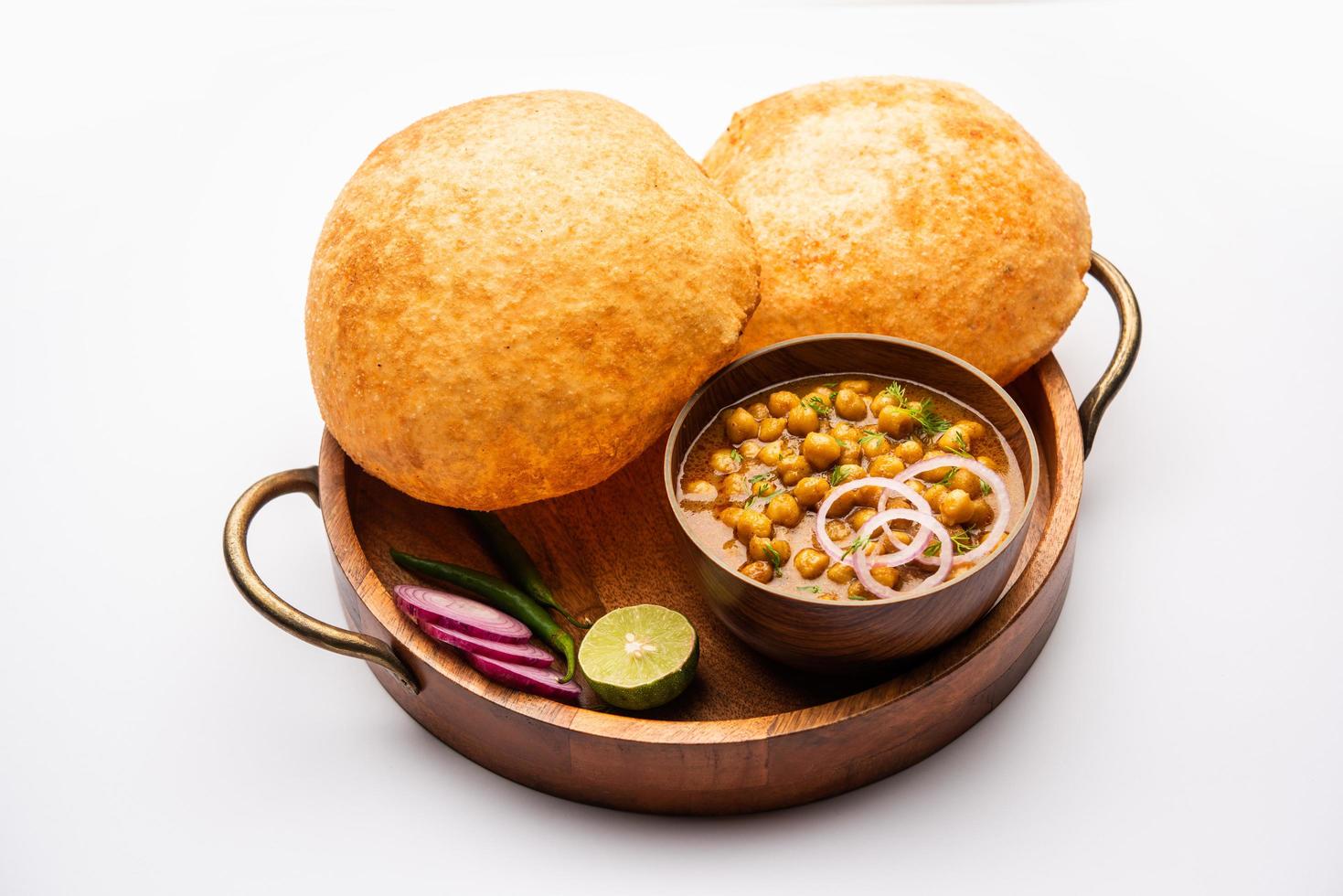
| Poori | Poori is fried bread made with wheat flour. The allergen declaration confirms wheat. It is not gluten free and unsafe for gluten-free diets or celiac patients. |
How to Choose Gluten-Free Indian Breads
1If in doubt, avoid indian breads without full ingredient disclosure or third-party certification.
2Don’t rely on generic terms like ‘natural flavours’ in indian breads—they may contain hidden gluten.
3Look for the Crossed Grain symbol or equivalent certification on indian breads packaging.
4Don’t rely on generic terms like ‘natural flavours’ in indian breads—they may contain hidden gluten.
5Refer to manufacturer websites for allergen declarations on indian breads.
6If in doubt, avoid indian breads without full ingredient disclosure or third-party certification.
Frequently Asked Questions
? Frequently Asked Questions
4 questions1 Is indian breads naturally gluten-free?
2 Where can I check if indian breads is gluten-free?
3 Can I eat indian breads on a strict gluten-free diet?
4 What labels or symbols mean indian breads is gluten-free?
Final Thoughts
Reading ingredients isn’t enough. Gluten-free indian breads must be labelled, tested, and made in safe environments. International products may differ, so double-check before buying.
Our Expert
Drs. Ilse van Asperen
Orthomolecular Therapist, Nutritional Coach & Professional Editor
Drs. Ilse van Asperen is a medical doctor specialising in orthomolecular therapy and nutritional coaching. With a background in public and clinical health research and management, she focuses on addressing the root causes of health issues through diet, gut health, and stress reduction. As a professional editor for Little Helpers, she reviews all gluten-free content to ensure accuracy, safety, and scientific credibility. Read more on Drs. Ilse van Asperen's own website
Our Sources
The information on this page is based on reputable health and nutrition organisations, ensuring accuracy and reliability for anyone following a gluten-free diet. For further details, see the sources below.