Share
TL;DR
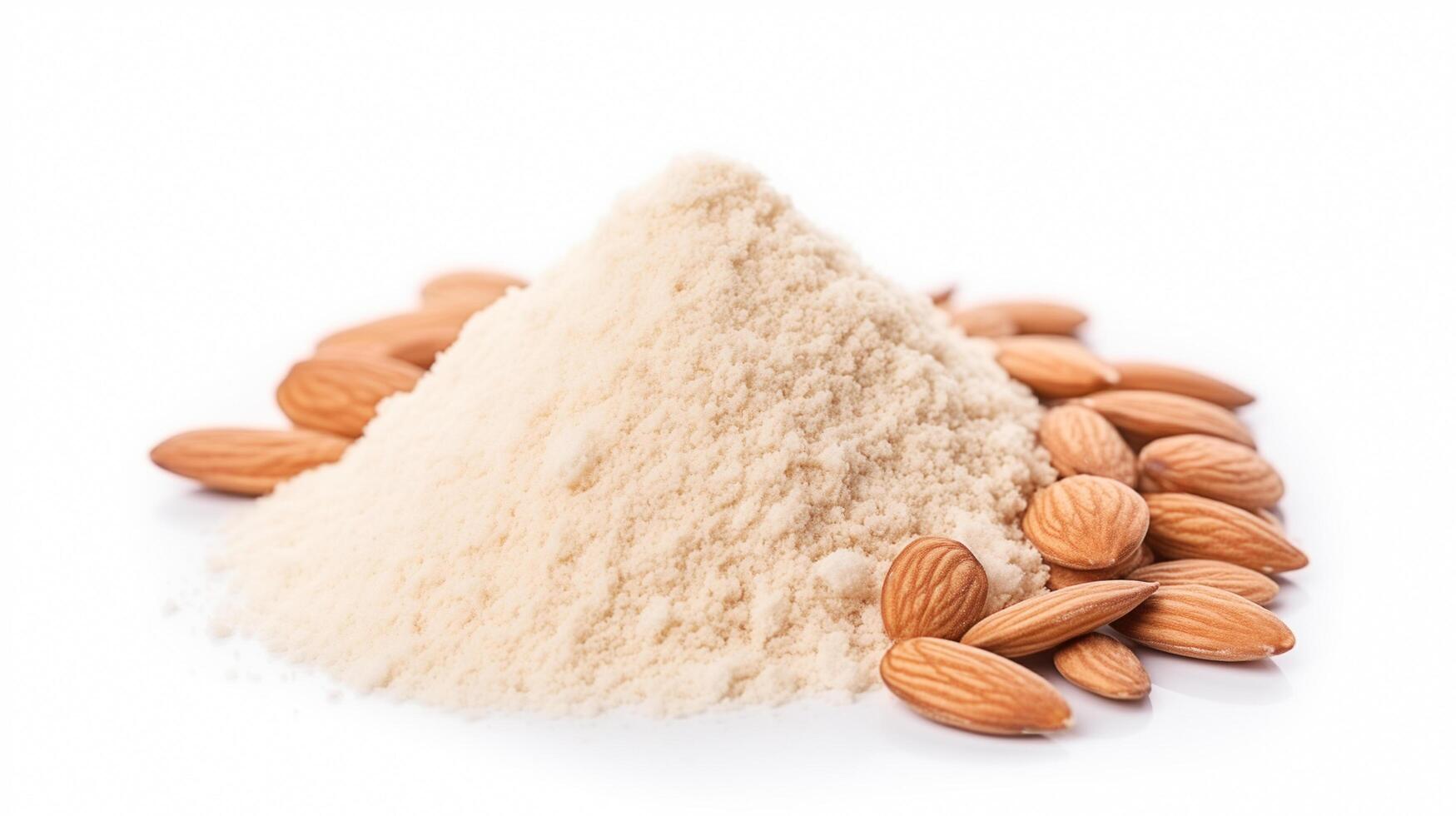
Yes, almonds are naturally gluten-free. Pure almond products, including whole almonds, almond flour, and almond milk, do not contain gluten unless they have been cross-contaminated during processing or have added ingredients containing gluten.
Quick Tips
1Rich in nutrients: Almonds are packed with vitamins, minerals, and antioxidants
2Heart health: May lower cholesterol levels and reduce the risk of heart disease
3Weight management: Can aid in weight loss and maintenance due to their protein and fiber content
# In This Article
3 sectionsQuick navigation to each section of this article:
1 Benefits of Almond
Rich in nutrients: Almonds are packed with vitamins, minerals, and antioxidants
Jump2 Who should avoid Almond
People with nut allergies: Almonds are tree nuts and can cause severe allergic reactions in those with nut allergies.
Jump3 Related Gluten Free Products
Here are five gluten-free options similar to almond, along with short descriptions:
JumpBenefits of Almond
| Benefits of Almond |
|---|
| Rich in nutrients: Almonds are packed with vitamins, minerals, and antioxidants |
| Heart health: May lower cholesterol levels and reduce the risk of heart disease |
| Weight management: Can aid in weight loss and maintenance due to their protein and fiber content |
| Blood sugar control: May help regulate blood sugar levels, beneficial for people with diabetes |
| Brain function: Contains nutrients that support cognitive health and may reduce the risk of Alzheimer’s disease |
| Bone health: Good source of calcium, magnesium, and phosphorus for strong bones |
| Skin health: Rich in vitamin E, which can support healthy skin |
| Cancer prevention: Contains antioxidants that may help protect against certain types of cancer |
| Digestive health: High fiber content supports a healthy digestive system |
| Energy boost: Provides a good balance of protein, healthy fats, and carbohydrates for sustained energy |
| Pregnancy support: Contains folate, which is important for fetal development |
| Anti-inflammatory properties: May help reduce inflammation in the body |
| Improved gut health: Acts as a prebiotic, supporting beneficial gut bacteriaRemember that while almonds offer many health benefits, they are also calorie-dense, so moderation is key. |
Who should avoid Almond
| Who should avoid Almond |
|---|
| People with nut allergies: Almonds are tree nuts and can cause severe allergic reactions in those with nut allergies. |
| Individuals with almond-specific allergies: Some people may be allergic to almonds specifically, even if they can tolerate other nuts. |
| Those with digestive sensitivities: Some people may experience digestive discomfort when consuming almonds due to their high fiber and fat content. |
| People taking certain medications: Almonds are high in manganese, which may interfere with some medications. Consult a doctor if you’re on any medications. |
| Individuals with kidney stones: Almonds are high in oxalates, which can contribute to kidney stone formation in susceptible individuals. |
| Those on a low-oxalate diet: For medical reasons, some people need to limit oxalate intake and should avoid almonds. |
| People with diverticulitis: During flare-ups, individuals with diverticulitis are often advised to avoid nuts, including almonds. |
| Young children: Whole almonds can be a choking hazard for young children. |
| Those with difficulty swallowing: Whole almonds may pose a choking risk for people with swallowing difficulties. |
| Individuals on very low-calorie diets: Almonds are calorie-dense and may not fit into extremely restrictive diet plans.Always consult with a healthcare professional or registered dietitian if you have concerns about including almonds in your diet. |
Related Gluten Free Products
Here are five gluten-free options similar to almond, along with short descriptions:
| Related Gluten Free Products |
|---|
| Cashews: Creamy, kidney-shaped nuts with a sweet flavor. Rich in healthy fats, protein, and minerals like copper and magnesium. |
| Pistachios: Small, green nuts with a distinctive flavor. High in antioxidants, fiber, and protein, they're also a good source of vitamin B6. |
| Walnuts: Brain-shaped nuts with a slightly bitter taste. Packed with omega-3 fatty acids, antioxidants, and beneficial plant compounds. |
| Macadamia nuts: Smooth, buttery nuts native to Australia. High in monounsaturated fats, thiamin, and manganese, with a rich, creamy texture. |
| Hazelnuts: Also known as filberts, these round nuts have a sweet, earthy flavor. Rich in vitamin E, copper, and heart-healthy fats, they're often used in confectionery. |
Health Information
? Frequently Asked Questions
4 questions1 What nuts are not gluten-free?
2 How much gluten is in almonds?
3 Is almond flour ok for celiac?
4 Are almonds gluten and dairy free?
Our Expert
Drs. Ilse van Asperen
Orthomolecular Therapist, Nutritional Coach & Professional Editor
Drs. Ilse van Asperen is a medical doctor specialising in orthomolecular therapy and nutritional coaching. With a background in public and clinical health research and management, she focuses on addressing the root causes of health issues through diet, gut health, and stress reduction. As a professional editor for Little Helpers, she reviews all gluten-free content to ensure accuracy, safety, and scientific credibility. Read more on Drs. Ilse van Asperen's own website
Our Sources
The information on this page is based on reputable health and nutrition organisations, ensuring accuracy and reliability for anyone following a gluten-free diet. For further details, see the sources below.