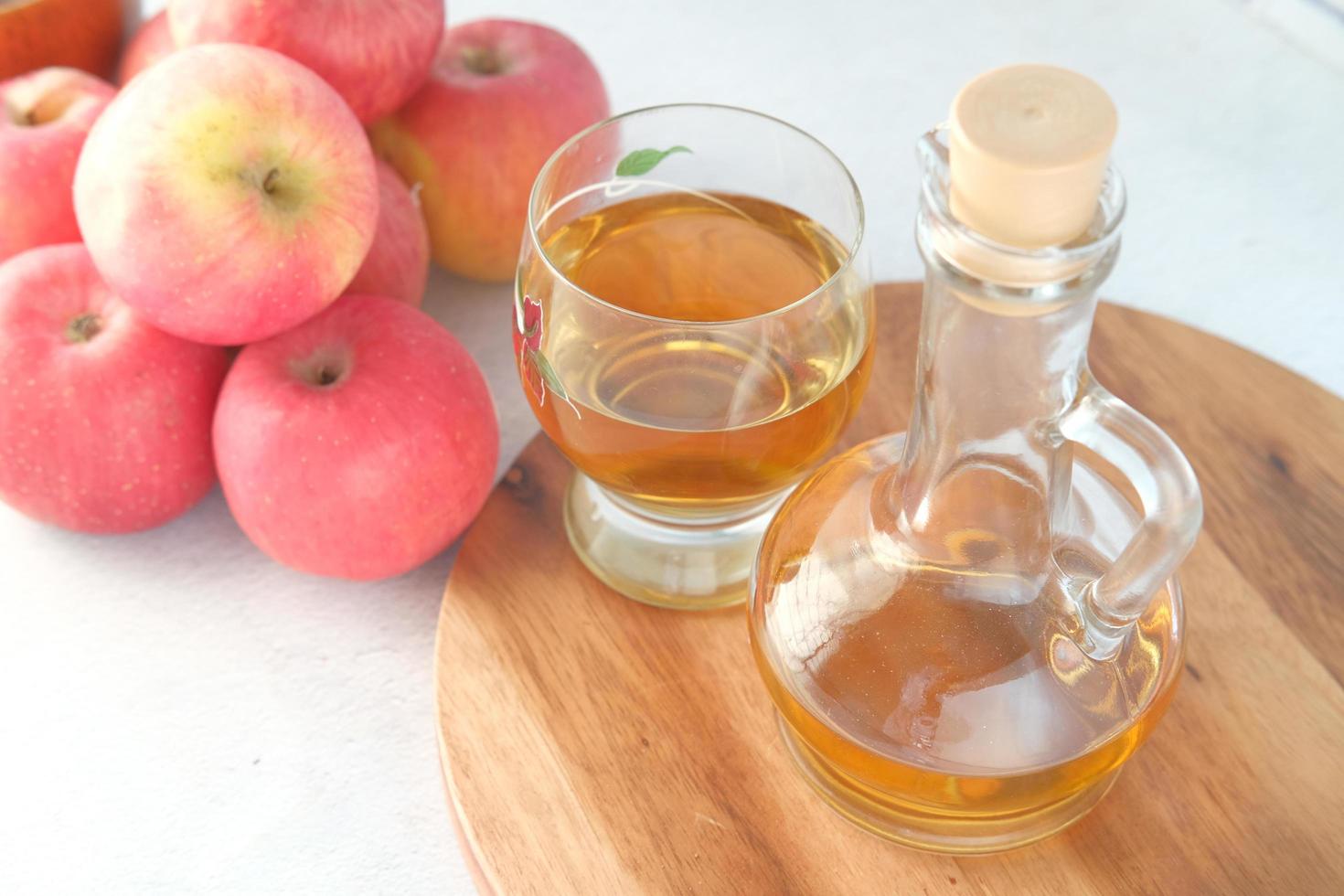
Is Apple Gluten Free?

Is Apple Gluten Free?

Yes, apples are naturally gluten-free. Fresh, whole apples do not contain any gluten, making them a safe choice for people with celiac disease or gluten sensitivity.

TL;DR

Yes, apples are naturally gluten-free. Fresh, whole apples do not contain any gluten, making them a safe choice for people with celiac disease or gluten sensitivity.

Quick Tips

1

Rich in antioxidants, which may help prevent certain types of cancer and reduce the risk of heart disease

2

High in dietary fiber, which aids digestion and promotes feelings of fullness

3

May help lower cholesterol levels due to the presence of soluble fiber

# In This Article

3 sections

Quick navigation to each section of this article:

1 Benefits of Apple

Rich in antioxidants, which may help prevent certain types of cancer and reduce the risk of heart disease

Jump
2 Who should avoid Apple

People with Apple Allergy: Those who experience symptoms such as itching, swelling of the lips and throat, or gastrointestinal issues after consuming apples should avoid them. Symptoms can range from mild oral allergy syndrome to severe reactions like anaphylaxis.

Jump
3 Related Gluten Free Products

Here are five gluten-free options similar to Apples, along with short descriptions:

Jump

Benefits of Apple

Benefits of Apple
Rich in antioxidants, which may help prevent certain types of cancer and reduce the risk of heart disease
High in dietary fiber, which aids digestion and promotes feelings of fullness
May help lower cholesterol levels due to the presence of soluble fiber
Contains quercetin, a flavonoid that may reduce the risk of stroke
May help regulate blood sugar levels due to their low glycemic index
Supports weight loss efforts due to their low calorie content and high fiber
Contains vitamin C, which boosts the immune system
May improve gut health due to their prebiotic effects
Supports bone health due to the presence of antioxidants and anti-inflammatory compounds
May help reduce the risk of type 2 diabetes
Contains compounds that may protect against asthma and lung cancer
Promotes dental health by cleaning teeth and killing bacteria in the mouth
May help reduce the risk of Alzheimer’s disease and age-related cognitive decline
Supports hydration due to their high water content.
Remember that while apples offer many health benefits, they should be part of a balanced diet for optimal health.

Who should avoid Apple

Who should avoid Apple
People with Apple Allergy: Those who experience symptoms such as itching, swelling of the lips and throat, or gastrointestinal issues after consuming apples should avoid them. Symptoms can range from mild oral allergy syndrome to severe reactions like anaphylaxis.
Individuals with Birch Pollen Allergy: Many people allergic to birch pollen may also react to apples due to cross-reactivity, experiencing localized symptoms in the mouth and throat shortly after consumption
Those with Oral Allergy Syndrome (OAS): This condition can cause reactions specifically to raw apples and is common among those with pollen allergies. Symptoms typically manifest shortly after eating raw apples but may not occur with cooked apples
ENJOY YOUR FAVORITE FOODS FEARLESSLY!
Don’t let gluten hold you back. Take Anti-Gluten Pills before your meal and enjoy peace of mind.
SHOP ANTI-GLUTEN PILLS
Clinically proven · Up to 86% gluten reduction · Fast acting

Here are five gluten-free options similar to Apples, along with short descriptions:

Related Gluten Free Products
Pears: Sweet and juicy fruits with a slightly grainy texture. They're rich in fiber, vitamin C, and antioxidants, making them a nutritious gluten-free snack.
Peaches: Soft, fuzzy-skinned fruits with sweet flesh. They're packed with vitamins and minerals, and can be eaten fresh or used in various gluten-free desserts.
Plums: Small, round fruits with smooth skin and juicy flesh. They come in various colors and are a good source of fiber, vitamins, and antioxidants.
Grapes: Small, round berries that grow in clusters. They're sweet, refreshing, and rich in antioxidants. Available in different varieties, they make for an easy gluten-free snack.
Cherries: Small, round fruits with a stone in the center. They're rich in antioxidants and anti-inflammatory compounds, and can be enjoyed fresh or used in gluten-free baked goods.

Health Information

? Frequently Asked Questions

4 questions
1 Are any fruits not gluten-free?
All fresh fruits are naturally gluten-free. Gluten is a protein found in wheat, barley, rye, and some other grains, but not in fruits. However, some processed fruit products like pie fillings or fruit snacks may contain gluten as an additive. It's always best to check labels on processed foods if you have gluten sensitivities or celiac disease.
2 Is Apple gluten-free or not?
Apples themselves are naturally gluten-free. They do not contain any wheat, barley, rye, or other gluten-containing grains. However, some apple products or processed foods containing apple may have added gluten ingredients. It's always best to check labels on packaged foods if you have celiac disease or gluten sensitivity.
3 How much gluten is in an apple?
Apples do not contain any gluten. Gluten is a protein found in wheat, barley, rye, and some other grains. Fruits like apples are naturally gluten-free. People with celiac disease or gluten sensitivity can safely eat apples without concern.
4 Are bananas gluten-free?
Yes, bananas are gluten-free. They are a naturally gluten-free fruit that does not contain any wheat, barley, rye, or other gluten-containing grains. Bananas can be safely consumed by people with celiac disease or gluten sensitivity. They are a healthy and versatile food option for those following a gluten-free diet.
LIVE GLUTEN-FREE WITHOUT THE FUSS!
Introducing Tolerase® G, clinically proven to reduce up to 86% of gluten in under 10 minutes. Experience the freedom to eat what you love.
SHOP ANTI-GLUTEN PILLS
150mg pure Tolerase® G · Reduces gluten by 86% · Under 10 minutes

Our Expert

Drs. Ilse van Asperen, Orthomolecular Therapist and Nutritional Coach

Drs. Ilse van Asperen

Orthomolecular Therapist, Nutritional Coach & Professional Editor

Drs. Ilse van Asperen is a medical doctor specialising in orthomolecular therapy and nutritional coaching. With a background in public and clinical health research and management, she focuses on addressing the root causes of health issues through diet, gut health, and stress reduction. As a professional editor for Little Helpers, she reviews all gluten-free content to ensure accuracy, safety, and scientific credibility. Read more on Drs. Ilse van Asperen's own website

Our Sources

The information on this page is based on reputable health and nutrition organisations, ensuring accuracy and reliability for anyone following a gluten-free diet. For further details, see the sources below.

Sources

Similar Articles

Back to blog