Share
TL;DR
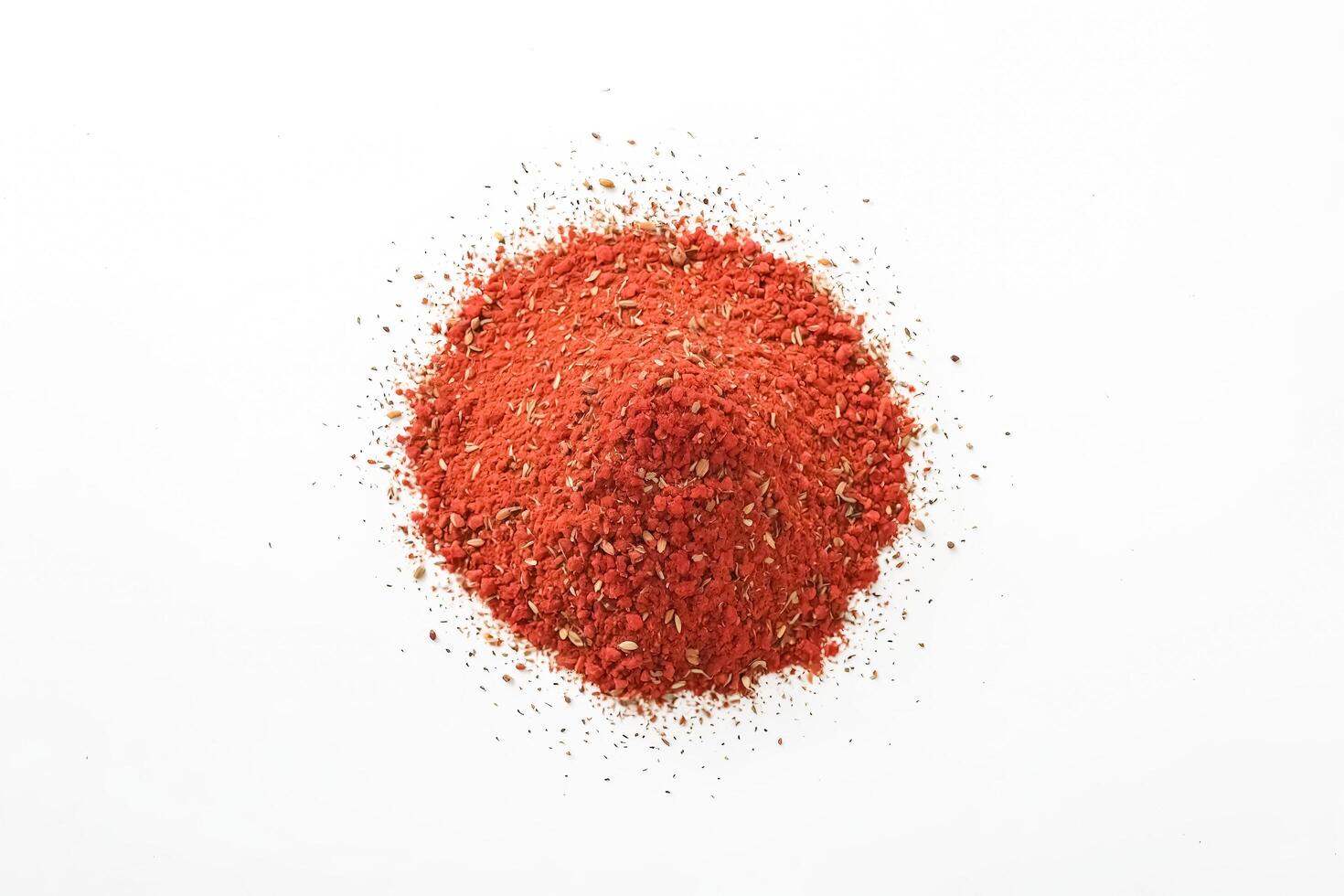
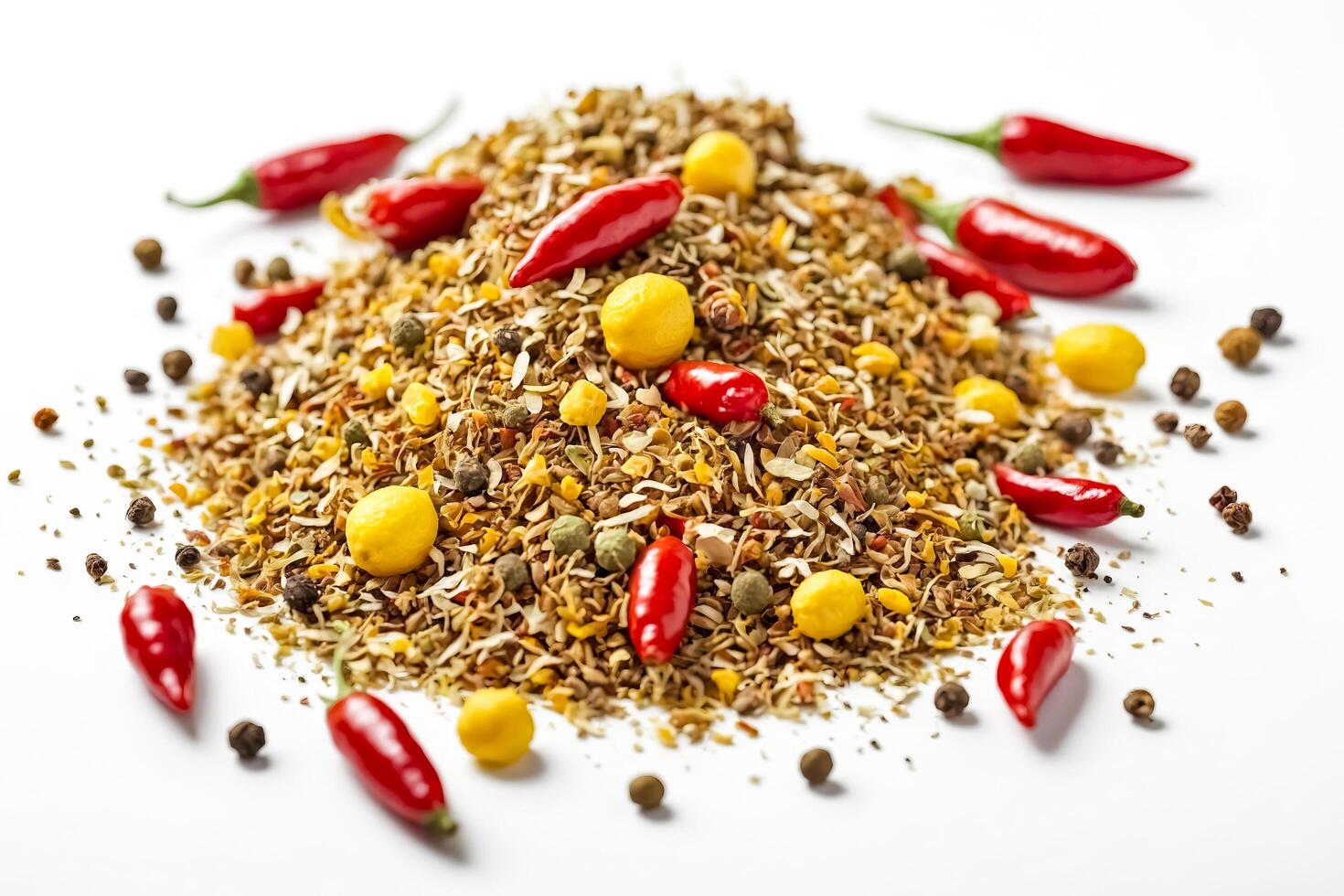
Most commercial blackened seasoning blends are typically gluten-free, as they generally consist of a mixture of herbs, spices, and salt without any gluten-containing ingredients. However, it’s always important to check the specific product label or contact the manufacturer to confirm, as some brands may include additives or anti-caking agents that could potentially contain gluten.
Quick Tips
1Rich in antioxidants: Many spices in blackened seasoning, such as paprika and oregano, are high in antioxidants that help fight free radicals in the body.
2Anti-inflammatory properties: Ingredients like cayenne pepper and black pepper may help reduce inflammation in the body.
3Metabolism boost: Spicy components like cayenne pepper can temporarily increase metabolism, potentially aiding in weight management.
# In This Article
3 sectionsQuick navigation to each section of this article:
1 Benefits of Blackened Seasoning
Rich in antioxidants: Many spices in blackened seasoning, such as paprika and oregano, are high in antioxidants that help fight free radicals in the body.
Jump2 Who should avoid Blackened Seasoning
Individuals with peptic ulcers or other digestive sensitivities, as the spices can irritate the stomach lining
Jump3 Related Gluten Free Products
Here are five gluten-free options similar to Blackened Seasoning, along with short descriptions:
JumpBenefits of Blackened Seasoning
| Benefits of Blackened Seasoning |
|---|
| Rich in antioxidants: Many spices in blackened seasoning, such as paprika and oregano, are high in antioxidants that help fight free radicals in the body. |
| Anti-inflammatory properties: Ingredients like cayenne pepper and black pepper may help reduce inflammation in the body. |
| Metabolism boost: Spicy components like cayenne pepper can temporarily increase metabolism, potentially aiding in weight management. |
| Improved digestion: Some spices, such as thyme and oregano, may support digestive health. |
| Blood sugar regulation: Certain spices like cinnamon (if included) may help regulate blood sugar levels. |
| Heart health: Some ingredients may support cardiovascular health by improving circulation and reducing blood pressure. |
| Antibacterial properties: Many herbs and spices in the blend have natural antibacterial qualities. |
| Enhanced nutrient absorption: Black pepper can increase the bioavailability of certain nutrients. |
| Pain relief: Capsaicin in cayenne pepper may help alleviate certain types of pain. |
| Respiratory support: Some spices like thyme may help with respiratory issues. |
| Low in calories: Blackened seasoning adds flavor without significantly increasing calorie content.Remember that the exact health benefits can vary depending on the specific ingredients in the blackened seasoning blend and how it’s used in cooking. |
Who should avoid Blackened Seasoning
| Who should avoid Blackened Seasoning |
|---|
| Individuals with peptic ulcers or other digestive sensitivities, as the spices can irritate the stomach lining |
| People with gastroesophageal reflux disease (GERD) or acid reflux, as spicy foods can exacerbate symptoms |
| Those with a known allergy to any of the ingredients commonly found in blackened seasoning (such as paprika, cayenne pepper, or garlic powder) |
| Individuals on low-sodium diets, as some blackened seasonings contain salt |
| People with chronic heartburn, as spicy foods can trigger or worsen symptoms |
| Those with irritable bowel syndrome (IBS), as spicy foods can trigger flare-ups in some individuals |
| Young children, who may find the spices too intense for their developing palates |
| Pregnant women who are experiencing heartburn or morning sickness, as spicy foods can exacerbate these symptoms |
| Individuals recovering from certain gastrointestinal surgeries or procedures, as advised by their healthcare provider |
| People taking medications that interact with spicy foods or increase stomach acid productionIt’s always best to consult with a healthcare provider if you have concerns about incorporating blackened seasoning or other spicy foods into your diet. |
Related Gluten Free Products
Here are five gluten-free options similar to Blackened Seasoning, along with short descriptions:
| Related Gluten Free Products |
|---|
| Cajun Seasoning:A spicy blend typically containing paprika, garlic powder, onion powder, cayenne pepper, oregano, and thyme. It offers a similar heat and flavor profile to blackened seasoning but often with a more complex taste. |
| Old Bay Seasoning:A classic seafood seasoning that's also gluten-free. It contains celery salt, red pepper, black pepper, and paprika among other spices. It's less spicy than blackened seasoning but provides a savory, slightly spicy flavor. |
| Jerk Seasoning:A Jamaican spice blend that typically includes allspice, scotch bonnet peppers, thyme, and various other spices. It offers a spicy, sweet, and tangy flavor profile that can be used similarly to blackened seasoning. |
| Za'atar:A Middle Eastern spice blend that typically contains dried herbs like oregano and thyme, along with sesame seeds and sumac. While not spicy like blackened seasoning, it offers a tangy, earthy flavor that can be used to season meats and vegetables. |
| Garam Masala:An Indian spice blend that usually contains cinnamon, cardamom, cloves, cumin, coriander, and black pepper. While different in flavor profile from blackened seasoning, it can be used to add depth and warmth to dishes in a similar manner. |
Health Information
? Frequently Asked Questions
4 questions1 Does blackened seasoning have gluten?
2 What is blackened seasoning made of?
3 What seasonings are not gluten free?
4 Is St. Elmo's blackened seasoning gluten free?
Our Expert
Drs. Ilse van Asperen
Orthomolecular Therapist, Nutritional Coach & Professional Editor
Drs. Ilse van Asperen is a medical doctor specialising in orthomolecular therapy and nutritional coaching. With a background in public and clinical health research and management, she focuses on addressing the root causes of health issues through diet, gut health, and stress reduction. As a professional editor for Little Helpers, she reviews all gluten-free content to ensure accuracy, safety, and scientific credibility. Read more on Drs. Ilse van Asperen's own website
Our Sources
The information on this page is based on reputable health and nutrition organisations, ensuring accuracy and reliability for anyone following a gluten-free diet. For further details, see the sources below.