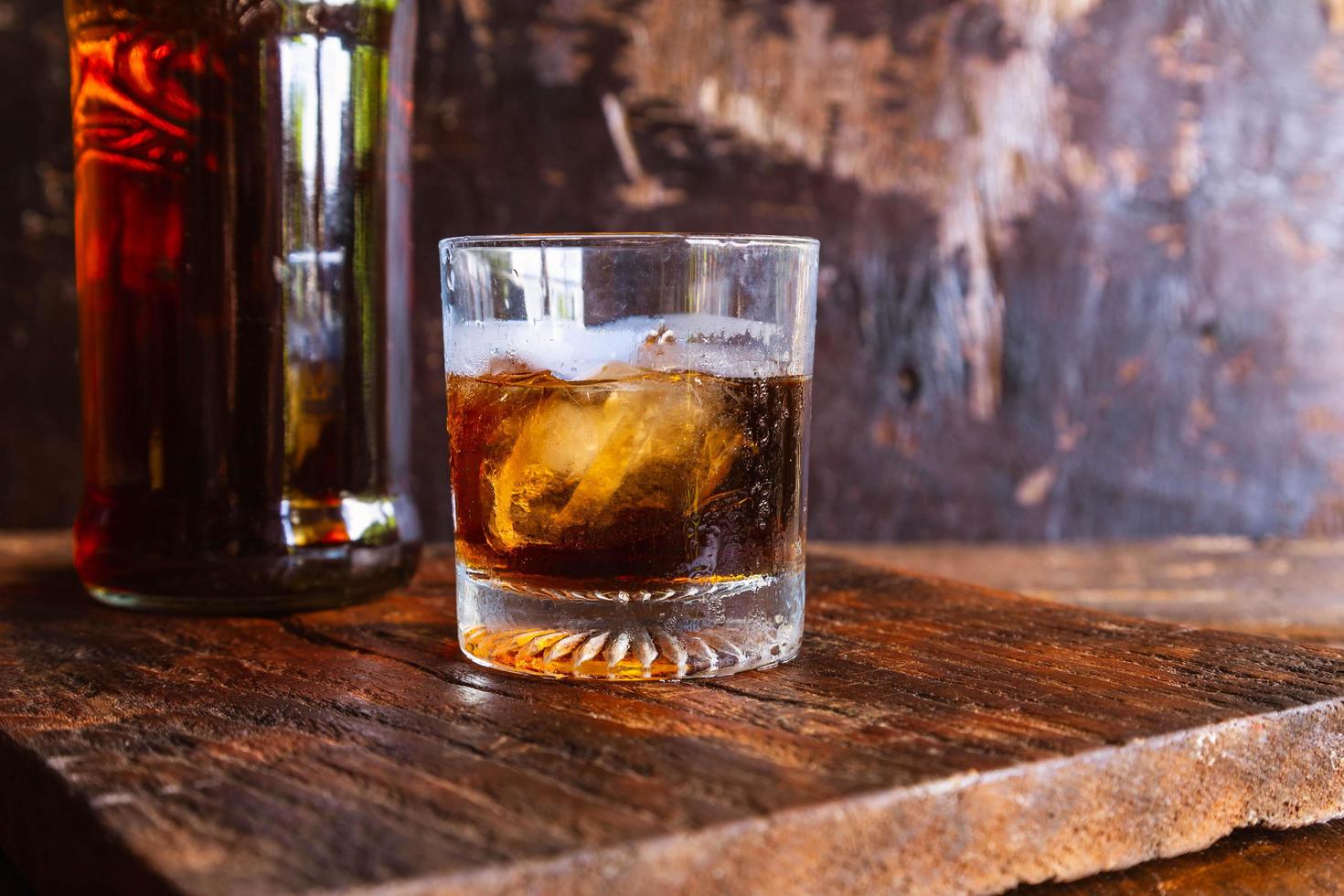
Is Bourbon Whiskey Gluten Free?

Is Bourbon Whiskey Gluten Free?

Bourbon whiskey is generally considered gluten-free because the distillation process removes gluten proteins from the final product. However, some extremely gluten-sensitive individuals may still react to trace amounts that could potentially remain, or to flavorings or additives that might be introduced after distillation in some brands.

TL;DR

Bourbon whiskey is generally considered gluten-free because the distillation process removes gluten proteins from the final product. However, some extremely gluten-sensitive individuals may still react to trace amounts that could potentially remain, or to flavorings or additives that might be introduced after distillation in some brands.

Quick Tips

1

Antioxidant properties: Bourbon contains ellagic acid, a powerful antioxidant that can help fight free radicals in the body.

2

Potential heart health benefits: Moderate consumption may increase good cholesterol (HDL) levels and reduce the risk of heart disease.

3

Possible reduction in dementia risk: Some studies suggest that moderate alcohol intake, including bourbon, may lower the risk of dementia and cognitive decline.

# In This Article

3 sections

Quick navigation to each section of this article:

1 Benefits of Bourbon Whiskey

Antioxidant properties: Bourbon contains ellagic acid, a powerful antioxidant that can help fight free radicals in the body.

Jump
2 Who should avoid Bourbon Whiskey

Pregnant women or those trying to conceive

Jump
3 Related Gluten Free Products

Here are five gluten-free options similar to Bourbon Whiskey, along with short descriptions:

Jump

Benefits of Bourbon Whiskey

Benefits of Bourbon Whiskey
Antioxidant properties: Bourbon contains ellagic acid, a powerful antioxidant that can help fight free radicals in the body.
Potential heart health benefits: Moderate consumption may increase good cholesterol (HDL) levels and reduce the risk of heart disease.
Possible reduction in dementia risk: Some studies suggest that moderate alcohol intake, including bourbon, may lower the risk of dementia and cognitive decline.
Stress relief: When consumed in moderation, bourbon may help reduce stress and promote relaxation.
Potential diabetes management: Some research indicates that moderate alcohol consumption may improve insulin sensitivity and glucose metabolism.
Weight management: Compared to other alcoholic beverages, bourbon is relatively low in calories and carbohydrates.
Blood-thinning effects: Moderate consumption may have mild blood-thinning effects, potentially reducing the risk of blood clots.
Potential reduction in gallstone risk: Some studies suggest that moderate alcohol consumption may lower the risk of developing gallstones.
Possible anti-inflammatory effects: The ellagic acid in bourbon may have anti-inflammatory properties.
Please note that these benefits are associated with moderate consumption only. Always drink responsibly and consult with a healthcare professional about alcohol consumption and your personal health.

Who should avoid Bourbon Whiskey

Who should avoid Bourbon Whiskey
Pregnant women or those trying to conceive
Individuals under the legal drinking age
People with alcohol use disorder or a history of alcohol abuse
Those taking medications that interact negatively with alcohol
Individuals with liver disease or other liver problems
People with certain medical conditions, such as pancreatitis
Those with a family history of alcoholism who are at higher risk for developing alcohol use disorder
Individuals operating heavy machinery or vehicles
People with certain mental health conditions that may be exacerbated by alcohol consumption
Those on a strict calorie-controlled diet (due to the high calorie content of alcohol)
Individuals with religious or personal beliefs that prohibit alcohol consumption
People with allergies or sensitivities to ingredients commonly found in bourbon
Those who are the designated driver or responsible for the safety of others
Individuals participating in activities requiring full concentration and coordination
People with gout, as alcohol can trigger flare-upsRemember, it’s always best to consult with a healthcare professional for personalized advice regarding alcohol consumption.
ENJOY YOUR FAVORITE FOODS FEARLESSLY!
Don’t let gluten hold you back. Take Anti-Gluten Pills before your meal and enjoy peace of mind.
SHOP ANTI-GLUTEN PILLS
Clinically proven · Up to 86% gluten reduction · Fast acting

Here are five gluten-free options similar to Bourbon Whiskey, along with short descriptions:

Related Gluten Free Products
Corn Whiskey- Made primarily from corn (at least 80%)- Unaged or briefly aged in uncharred or previously used oak barrels- Light-bodied with a distinct corn flavor
Potato Vodka- Distilled from potatoes instead of grains- Smooth and creamy texture- Often described as having a slightly sweet, earthy flavor
Rum- Made from sugarcane byproducts like molasses- Available in light, dark, and spiced varieties- Flavors range from sweet and vanilla-like to rich and complex
Tequila- Produced from blue agave plants- Available in blanco (unaged), reposado (briefly aged), and añejo (aged longer) varieties- Flavors can be earthy, vegetal, or smooth and caramel-like, depending on aging
Brandy- Distilled from fermented fruit juice, typically grapes- Aged in wooden casks, often for several years- Rich, fruity flavor with notes of oak and vanillaThese options are naturally gluten-free and can be suitable alternatives for those avoiding gluten while still enjoying spirits.

Health Information

? Frequently Asked Questions

4 questions
1 Which bourbons are not gluten-free?
All true bourbon whiskey is inherently gluten-free. Bourbon is made from a mash of at least 51% corn, with other grains like rye or wheat making up the remainder. The distillation process removes gluten proteins from the final product. However, some flavored or blended bourbon-based liqueurs may contain added ingredients with gluten, so it's best to check the label on those products.
2 Is bourbon whiskey safe for celiacs?
Bourbon whiskey is generally considered safe for people with celiac disease. The distillation process removes gluten proteins from the final product. However, some celiacs may still react to trace amounts or to additives in certain bourbon brands. It's always best for individuals with celiac disease to consult their doctor and exercise caution when trying new alcoholic beverages.
3 What bourbon is 100% gluten-free?
All bourbon is inherently gluten-free. This is because bourbon is made primarily from corn, which does not contain gluten. The distillation process also removes any potential gluten proteins from other grains that may be used in small amounts. As long as no gluten-containing additives are introduced after distillation, all bourbon can be considered 100% gluten-free.
4 Does Jim Beam bourbon have gluten?
Jim Beam bourbon does not contain gluten. Bourbon is made primarily from corn, which is naturally gluten-free. The distillation process used to make bourbon further eliminates any potential gluten proteins. Therefore, Jim Beam and other bourbons are generally considered safe for those with gluten sensitivities or celiac disease.
LIVE GLUTEN-FREE WITHOUT THE FUSS!
Introducing Tolerase® G, clinically proven to reduce up to 86% of gluten in under 10 minutes. Experience the freedom to eat what you love.
SHOP ANTI-GLUTEN PILLS
150mg pure Tolerase® G · Reduces gluten by 86% · Under 10 minutes

Our Expert

Drs. Ilse van Asperen, Orthomolecular Therapist and Nutritional Coach

Drs. Ilse van Asperen

Orthomolecular Therapist, Nutritional Coach & Professional Editor

Drs. Ilse van Asperen is a medical doctor specialising in orthomolecular therapy and nutritional coaching. With a background in public and clinical health research and management, she focuses on addressing the root causes of health issues through diet, gut health, and stress reduction. As a professional editor for Little Helpers, she reviews all gluten-free content to ensure accuracy, safety, and scientific credibility. Read more on Drs. Ilse van Asperen's own website

Our Sources

The information on this page is based on reputable health and nutrition organisations, ensuring accuracy and reliability for anyone following a gluten-free diet. For further details, see the sources below.
Sources

Similar Articles

Back to blog