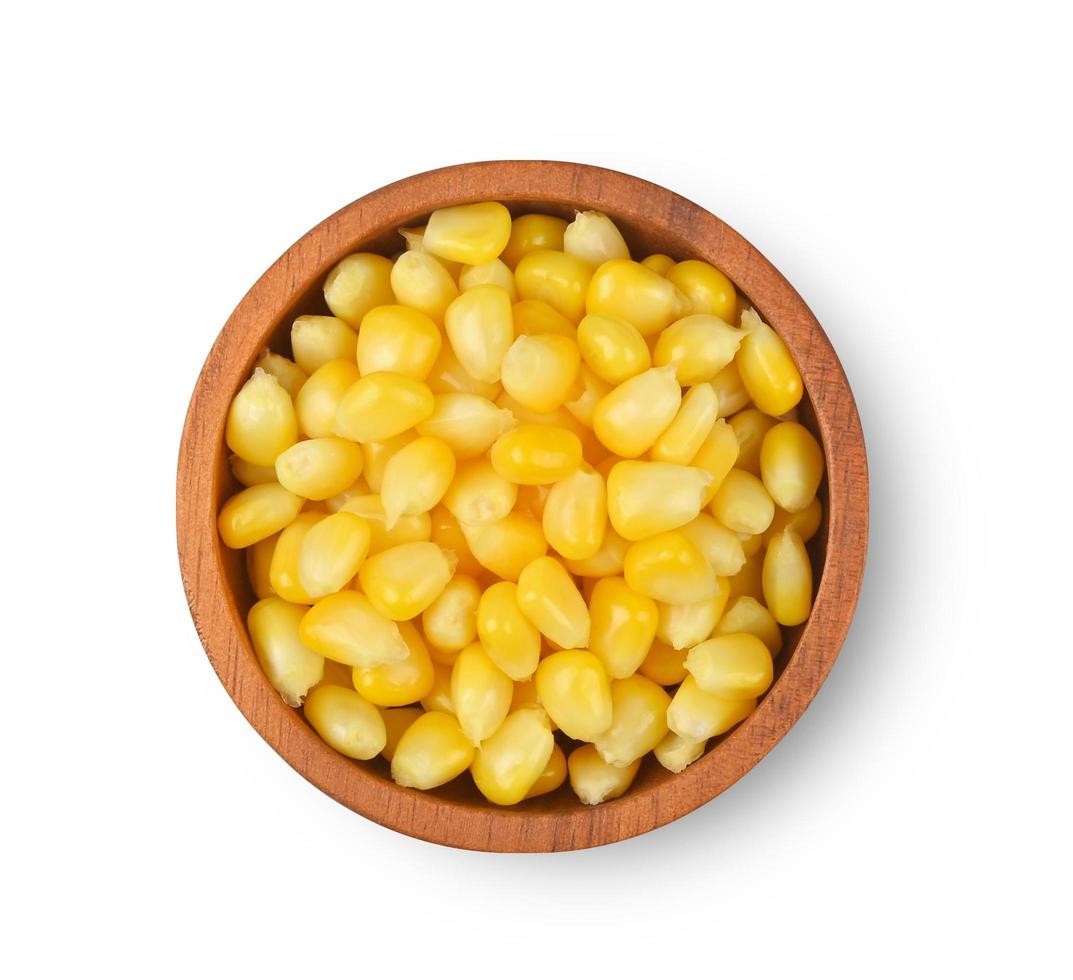
Is Can Corn Gluten Free?

Is Can Corn Gluten Free?

Corn itself is naturally gluten-free. However, canned corn may not always be gluten-free due to potential cross-contamination during processing or the addition of gluten-containing ingredients, so it’s important to check the label or contact the manufacturer to confirm if a specific brand of canned corn is gluten-free.

TL;DR

Corn itself is naturally gluten-free. However, canned corn may not always be gluten-free due to potential cross-contamination during processing or the addition of gluten-containing ingredients, so it’s important to check the label or contact the manufacturer to confirm if a specific brand of canned corn is gluten-free.

Quick Tips

1

Good source of fiber, which aids digestion and promotes feelings of fullness

2

Contains essential vitamins and minerals, including vitamin C, thiamin, and folate

3

Provides antioxidants like lutein and zeaxanthin, which may support eye health

# In This Article

3 sections

Quick navigation to each section of this article:

1 Benefits of Can Corn

Good source of fiber, which aids digestion and promotes feelings of fullness

Jump
2 Who should avoid Can Corn

People with corn allergies or sensitivities

Jump
3 Related Gluten Free Products

Here are five gluten-free options similar to corn, along with short descriptions:

Jump

Benefits of Can Corn

Benefits of Can Corn
Good source of fiber, which aids digestion and promotes feelings of fullness
Contains essential vitamins and minerals, including vitamin C, thiamin, and folate
Provides antioxidants like lutein and zeaxanthin, which may support eye health
Low in fat and cholesterol-free
Offers a convenient way to include vegetables in your diet
Contains complex carbohydrates for sustained energy
Rich in ferulic acid, an antioxidant that may have anti-cancer properties
Provides some protein, contributing to muscle health and repair
Generally lower in sodium compared to many other canned vegetables (but check labels)
Can be a good source of potassium, which is important for heart and muscle function
May help support a healthy gut microbiome due to its fiber content
Often more affordable and has a longer shelf life compared to fresh cornRemember that while canned corn offers these benefits, it’s best to choose low-sodium or no-salt-added varieties when possible, and to consume it as part of a balanced diet.

Who should avoid Can Corn

Who should avoid Can Corn
People with corn allergies or sensitivities
Individuals on a low-sodium diet (unless choosing low-sodium varieties)
Those with digestive issues sensitive to high-FODMAP foods
People trying to reduce their intake of added sugars (some brands may contain added sweeteners)
Individuals following a very low-carb or ketogenic diet
Those with concerns about BPA exposure from can linings (though many brands now use BPA-free cans)
People with specific dietary restrictions that exclude corn (e.g., certain autoimmune protocol diets)
Individuals trying to avoid genetically modified foods (unless the corn is labeled organic or non-GMO)
Those with diabetes who need to carefully monitor their carbohydrate intake
People following a whole food, plant-based diet that excludes processed foodsRemember that for most people, canned corn can be part of a healthy diet when consumed in moderation. Always consult with a healthcare professional or registered dietitian for personalized dietary advice.
ENJOY YOUR FAVORITE FOODS FEARLESSLY!
Don’t let gluten hold you back. Take Anti-Gluten Pills before your meal and enjoy peace of mind.
SHOP ANTI-GLUTEN PILLS
Clinically proven · Up to 86% gluten reduction · Fast acting

Here are five gluten-free options similar to corn, along with short descriptions:

Related Gluten Free Products
Rice: A versatile grain available in many varieties (white, brown, wild, etc.), used in dishes worldwide. It's easily digestible and a good source of carbohydrates.
Quinoa: A nutrient-dense pseudocereal high in protein and fiber. It has a slightly nutty flavor and can be used in place of rice or couscous in many recipes.
Buckwheat: Despite its name, it's not related to wheat and is gluten-free. It has a strong, earthy flavor and is used in various cuisines, particularly in noodles and pancakes.
Millet: A small-seeded grass crop that's highly nutritious and easy to digest. It has a mild, slightly sweet flavor and can be used in porridges, breads, and as a rice substitute.
Amaranth: An ancient grain that's high in protein and minerals. It has a slightly peppery taste and can be popped like popcorn, used in cereals, or ground into flour for baking.These options provide a range of flavors, textures, and nutritional profiles, making them excellent gluten-free alternatives in various dishes.

Health Information

? Frequently Asked Questions

4 questions
1 Is all canned corn gluten-free?
Most canned corn is naturally gluten-free. However, some brands may add gluten-containing ingredients or process corn in facilities that also handle gluten products. It's important to check the label for any added ingredients or allergen warnings. If you have celiac disease or gluten sensitivity, look for canned corn specifically labeled as gluten-free to be safe.
2 Is Del Monte canned corn gluten-free?
Del Monte canned corn is generally considered gluten-free. The company states that their plain canned corn products do not contain any gluten ingredients. However, it's always best to check the label for the most up-to-date information, as product formulations can change. If you have celiac disease or severe gluten sensitivity, you may want to contact Del Monte directly to confirm their manufacturing practices regarding potential cross-contamination.
3 Is corn ok for celiac disease?
Corn is generally considered safe for people with celiac disease. It is naturally gluten-free and can be a good alternative to wheat-based products. However, it's important to be cautious of cross-contamination during processing or preparation. Always check labels and choose certified gluten-free corn products to ensure safety.
4 Are canned foods gluten-free?
Most plain canned fruits, vegetables, and meats are naturally gluten-free. However, some canned products may contain gluten-containing additives or be processed on shared equipment. It's important to always check the label for gluten-containing ingredients or "may contain" warnings. When in doubt, look for products specifically labeled as gluten-free or contact the manufacturer for more information.
LIVE GLUTEN-FREE WITHOUT THE FUSS!
Introducing Tolerase® G, clinically proven to reduce up to 86% of gluten in under 10 minutes. Experience the freedom to eat what you love.
SHOP ANTI-GLUTEN PILLS
150mg pure Tolerase® G · Reduces gluten by 86% · Under 10 minutes

Our Expert

Drs. Ilse van Asperen, Orthomolecular Therapist and Nutritional Coach

Drs. Ilse van Asperen

Orthomolecular Therapist, Nutritional Coach & Professional Editor

Drs. Ilse van Asperen is a medical doctor specialising in orthomolecular therapy and nutritional coaching. With a background in public and clinical health research and management, she focuses on addressing the root causes of health issues through diet, gut health, and stress reduction. As a professional editor for Little Helpers, she reviews all gluten-free content to ensure accuracy, safety, and scientific credibility. Read more on Drs. Ilse van Asperen's own website

Our Sources

The information on this page is based on reputable health and nutrition organisations, ensuring accuracy and reliability for anyone following a gluten-free diet. For further details, see the sources below.

Sources

Similar Articles

Back to blog