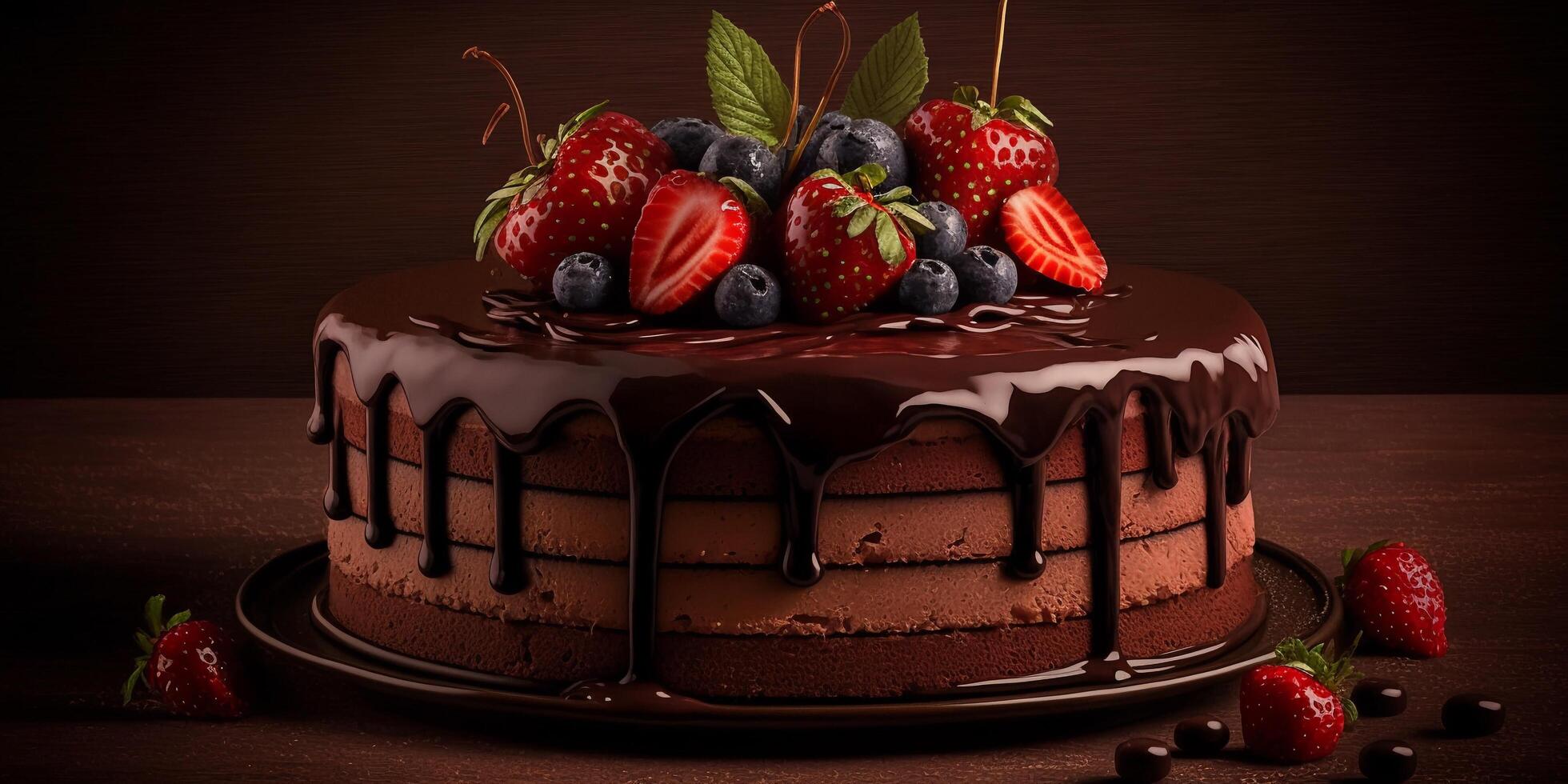
Is Carrot Cake Gluten Free?

Is Carrot Cake Gluten Free?

Traditional carrot cake is not typically gluten-free as it usually contains wheat flour as a main ingredient. However, there are many gluten-free carrot cake recipes available that use alternative flours such as almond flour, coconut flour, or gluten-free flour blends to achieve a similar texture and taste without gluten.

TL;DR

Traditional carrot cake is not typically gluten-free as it usually contains wheat flour as a main ingredient. However, there are many gluten-free carrot cake recipes available that use alternative flours such as almond flour, coconut flour, or gluten-free flour blends to achieve a similar texture and taste without gluten.

Quick Tips

1

Source of beta-carotene: Carrots are rich in beta-carotene, which the body converts to vitamin A, supporting eye health and immune function.

2

Provides dietary fiber: Carrots and sometimes added nuts or raisins contribute fiber, which aids digestion and promotes feelings of fullness.

3

Contains some essential nutrients: Ingredients like eggs and milk provide protein, calcium, and other vitamins and minerals.

# In This Article

3 sections

Quick navigation to each section of this article:

1 Benefits of Carrot Cake

Source of beta-carotene: Carrots are rich in beta-carotene, which the body converts to vitamin A, supporting eye health and immune function.

Jump
2 Who should avoid Carrot Cake

People with diabetes or pre-diabetes, due to the high sugar content

Jump
3 Gluten Free Alternatives

Here are five gluten-free alternatives to Carrot Cake, along with short descriptions:

Jump

Benefits of Carrot Cake

Benefits of Carrot Cake
Source of beta-carotene: Carrots are rich in beta-carotene, which the body converts to vitamin A, supporting eye health and immune function.
Provides dietary fiber: Carrots and sometimes added nuts or raisins contribute fiber, which aids digestion and promotes feelings of fullness.
Contains some essential nutrients: Ingredients like eggs and milk provide protein, calcium, and other vitamins and minerals.
Offers antioxidants: Carrots contain antioxidants that may help protect cells from damage caused by free radicals.
Potential blood sugar regulation: The fiber in carrots may help slow down sugar absorption, potentially reducing blood sugar spikes.
Heart-healthy fats: If made with vegetable oil or nuts, it can provide some heart-healthy unsaturated fats.
Mood-boosting properties: As a treat, it can provide psychological benefits by satisfying cravings and potentially boosting mood.
Calcium content: If frosted with cream cheese, it provides some calcium for bone health.
Provides energy: The carbohydrates in carrot cake can provide a quick source of energy.Remember, while these benefits exist, carrot cake should be consumed in moderation as part of a balanced diet due to its typically high calorie, sugar, and fat content.

Who should avoid Carrot Cake

Who should avoid Carrot Cake
People with diabetes or pre-diabetes, due to the high sugar content
Individuals on a low-carb or ketogenic diet
Those with nut allergies, if the cake contains nuts (which is common in many recipes)
People with celiac disease or gluten sensitivity, unless the cake is specifically made gluten-free
Individuals trying to lose weight or maintain a calorie-restricted diet
Those with egg allergies, as most carrot cake recipes contain eggs
People with dairy allergies or lactose intolerance, if the cake contains milk products or is frosted with cream cheese icing
Individuals with a sensitivity or allergy to cinnamon, which is often used in carrot cake
Those following a vegan diet, unless the cake is specifically made vegan
People with certain gastrointestinal conditions that require a low-fiber diet, as carrots are high in fiber
Individuals with a history of kidney stones, as carrots are high in oxalates
Those on certain medications that interact with vitamin K, as carrots are high in this nutrientRemember, occasional consumption might be fine for some of these groups, but it’s always best to consult with a healthcare professional for personalized advice.
ENJOY YOUR FAVORITE FOODS FEARLESSLY!
Don’t let gluten hold you back. Take Anti-Gluten Pills before your meal and enjoy peace of mind.
SHOP ANTI-GLUTEN PILLS
Clinically proven · Up to 86% gluten reduction · Fast acting

Gluten Free Alternatives

Here are five gluten-free alternatives to Carrot Cake, along with short descriptions:

Gluten Free Alternatives
Almond Flour Carrot Cake:This alternative uses finely ground almond flour instead of wheat flour, resulting in a moist, nutty-flavored cake that's rich in protein and healthy fats. It often has a denser texture than traditional carrot cake.
Coconut Flour Carrot Cake:Made with coconut flour, this version is high in fiber and low in carbohydrates. It typically has a lighter texture and a subtle coconut flavor that complements the carrots and spices well.
Gluten-Free Carrot Cake Cupcakes:These individual-sized treats are made with a blend of gluten-free flours (such as rice flour, tapioca starch, and potato starch) and offer the same flavors as traditional carrot cake in a convenient, portable form.
Carrot Cake Energy Balls:A no-bake option that combines dates, carrots, nuts, and spices into bite-sized balls. These are often vegan and offer a healthier, raw alternative to traditional cake while still capturing the essence of carrot cake flavors.
Carrot Cake Smoothie:A drinkable version that blends carrots, banana, plant-based milk, spices, and optional protein powder. This alternative provides the flavors of carrot cake in a nutritious, easily digestible form, perfect for breakfast or a snack.

Health Information

? Frequently Asked Questions

4 questions
1 Does carrot cake contain flour?
Yes, carrot cake typically contains flour. It is one of the main ingredients in the cake batter, along with grated carrots, sugar, eggs, and oil or butter. The flour provides structure to the cake and helps bind the ingredients together. Traditional carrot cake recipes usually call for all-purpose flour, though variations may use other types of flour.
2 What cakes do not contain gluten?
Many cakes can be made gluten-free using alternative flours. Popular options include cakes made with almond flour, coconut flour, or gluten-free flour blends. Some naturally gluten-free cakes are flourless chocolate cakes and cheesecakes. It's important to check all ingredients, as some additives may contain hidden gluten.
3 Is carrot cake made of?
Carrot cake is indeed made with grated carrots as a key ingredient. It typically also contains flour, sugar, eggs, oil, and spices like cinnamon and nutmeg. The carrots add moisture and a subtle sweetness to the cake. Often, carrot cake is topped with cream cheese frosting and may include additions like nuts or raisins.
4 Is Sara Lee carrot cake gluten-free?
Sara Lee does not currently offer a gluten-free carrot cake option. Their traditional carrot cake contains wheat flour, which contains gluten. Individuals with celiac disease or gluten sensitivity should avoid this product. Those seeking gluten-free alternatives may need to look for specialized bakeries or make their own carrot cake using gluten-free ingredients.
LIVE GLUTEN-FREE WITHOUT THE FUSS!
Introducing Tolerase® G, clinically proven to reduce up to 86% of gluten in under 10 minutes. Experience the freedom to eat what you love.
SHOP ANTI-GLUTEN PILLS
150mg pure Tolerase® G · Reduces gluten by 86% · Under 10 minutes

Our Expert

Drs. Ilse van Asperen, Orthomolecular Therapist and Nutritional Coach

Drs. Ilse van Asperen

Orthomolecular Therapist, Nutritional Coach & Professional Editor

Drs. Ilse van Asperen is a medical doctor specialising in orthomolecular therapy and nutritional coaching. With a background in public and clinical health research and management, she focuses on addressing the root causes of health issues through diet, gut health, and stress reduction. As a professional editor for Little Helpers, she reviews all gluten-free content to ensure accuracy, safety, and scientific credibility. Read more on Drs. Ilse van Asperen's own website

Our Sources

The information on this page is based on reputable health and nutrition organisations, ensuring accuracy and reliability for anyone following a gluten-free diet. For further details, see the sources below.

Sources

Similar Articles

Back to blog