Share
TL;DR
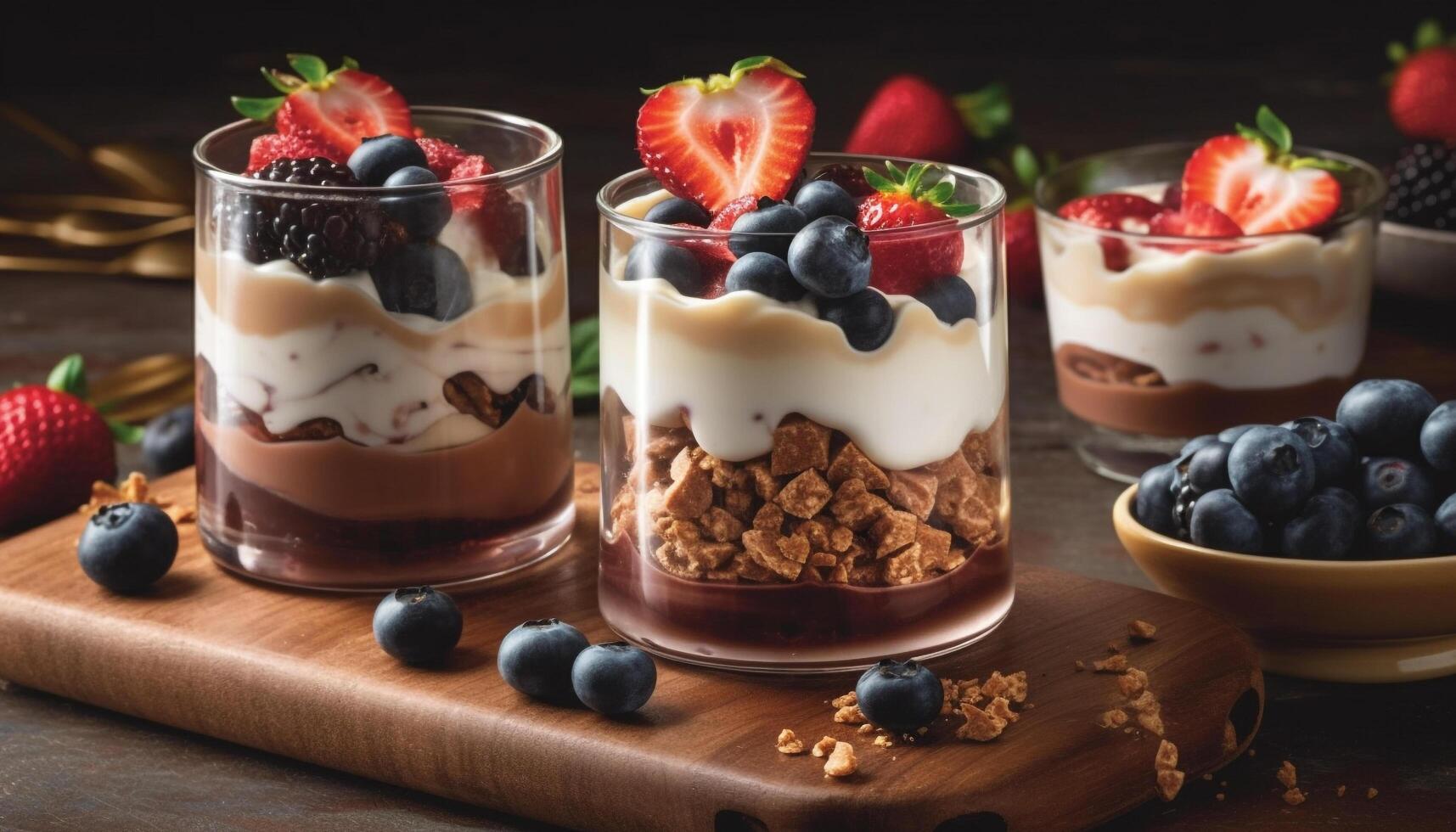
Traditional chocolate mousse is typically gluten-free, as its main ingredients are chocolate, eggs, cream, and sugar, none of which contain gluten. However, it’s important to check specific recipes or store-bought versions, as some may include additives or flavorings that could contain gluten, or there may be cross-contamination risks in preparation.
Quick Tips
1Antioxidant properties: Dark chocolate, often used in mousse, contains flavonoids that act as antioxidants, potentially reducing cell damage.
2Mood enhancement: Chocolate contains compounds that may boost mood and reduce stress.
3Heart health: Some studies suggest that moderate dark chocolate consumption may support cardiovascular health.
# In This Article
3 sectionsQuick navigation to each section of this article:
1 Benefits of Chocolate Mousse
Antioxidant properties: Dark chocolate, often used in mousse, contains flavonoids that act as antioxidants, potentially reducing cell damage.
Jump2 Who should avoid Chocolate Mousse
People with chocolate allergies
Jump3 Related Gluten Free Products
Here are five gluten-free options similar to Chocolate Mousse, along with short descriptions:
JumpBenefits of Chocolate Mousse
| Benefits of Chocolate Mousse |
|---|
| Antioxidant properties: Dark chocolate, often used in mousse, contains flavonoids that act as antioxidants, potentially reducing cell damage. |
| Mood enhancement: Chocolate contains compounds that may boost mood and reduce stress. |
| Heart health: Some studies suggest that moderate dark chocolate consumption may support cardiovascular health. |
| Mineral content: Chocolate provides minerals like iron, magnesium, and zinc. |
| Cognitive function: Flavanols in cocoa may support brain function and improve blood flow to the brain. |
| Blood pressure regulation: Dark chocolate may help lower blood pressure in some individuals. |
| Potential anti-inflammatory effects: Cocoa’s compounds may have mild anti-inflammatory properties. |
| Satiety: The protein and fat content in mousse can help you feel full, potentially aiding portion control. |
| Energy boost: The sugar and caffeine in chocolate can provide a quick energy boost. |
| Calcium source: If made with dairy, mousse can contribute to calcium intake.Remember that these benefits are mostly associated with dark chocolate and should be weighed against the high calorie and sugar content of most chocolate mousse recipes. Moderation is key. |
Who should avoid Chocolate Mousse
| Who should avoid Chocolate Mousse |
|---|
| People with chocolate allergies |
| Those with dairy allergies or severe lactose intolerance (as most recipes contain cream) |
| Individuals with egg allergies (as raw eggs are often used in traditional recipes) |
| People with caffeine sensitivities (due to the caffeine content in chocolate) |
| Those on strict low-sugar or low-fat diets |
| Individuals with diabetes who need to closely monitor their sugar intake |
| People with phenylketonuria (PKU), as chocolate contains phenylalanine |
| Those following a vegan lifestyle (unless it’s a vegan-specific recipe) |
| Individuals with gluten sensitivities or celiac disease (if the recipe includes gluten-containing ingredients) |
| Young children and infants (due to potential choking hazards and raw egg content) |
| Pregnant women (if the recipe contains raw eggs, due to the risk of salmonella) |
| People on certain medications that may interact with caffeine or theobromine in chocolate |
| Those with specific religious or cultural dietary restrictions that prohibit chocolate or certain ingredientsRemember, there are variations of chocolate mousse that can accommodate some dietary restrictions, but it’s always best to consult with a healthcare provider for personalized advice. |
Related Gluten Free Products
Here are five gluten-free options similar to Chocolate Mousse, along with short descriptions:
| Related Gluten Free Products |
|---|
| Avocado Chocolate Pudding - A creamy, dairy-free alternative made with ripe avocados, cocoa powder, and sweetener. It's rich in healthy fats and has a smooth, velvety texture. |
| Chia Seed Pudding - A nutritious dessert made by soaking chia seeds in milk (dairy or plant-based) and flavoring with cocoa powder or other ingredients. It has a tapioca-like texture and is high in omega-3 fatty acids. |
| Panna Cotta - An Italian dessert made with sweetened cream set with gelatin. It's naturally gluten-free and can be flavored with vanilla, chocolate, or fruit purees. It has a silky, custard-like texture. |
| Crème Brûlée - A rich custard base topped with a layer of hardened caramelized sugar. It's gluten-free when made traditionally and offers a contrast between the creamy custard and crisp topping. |
| Chocolate Coconut Milk Pudding - A dairy-free alternative made with coconut milk, cocoa powder, and a thickening agent like cornstarch. It's smooth and creamy with a subtle coconut flavor that complements the chocolate. |
Health Information
? Frequently Asked Questions
4 questions1 Does chocolate mousse contain gluten?
2 Does moose have gluten?
3 What is chocolate mousse made of?
4 Is Nestle chocolate mousse gluten free?
Our Expert
Drs. Ilse van Asperen
Orthomolecular Therapist, Nutritional Coach & Professional Editor
Drs. Ilse van Asperen is a medical doctor specialising in orthomolecular therapy and nutritional coaching. With a background in public and clinical health research and management, she focuses on addressing the root causes of health issues through diet, gut health, and stress reduction. As a professional editor for Little Helpers, she reviews all gluten-free content to ensure accuracy, safety, and scientific credibility. Read more on Drs. Ilse van Asperen's own website
Our Sources
The information on this page is based on reputable health and nutrition organisations, ensuring accuracy and reliability for anyone following a gluten-free diet. For further details, see the sources below.