Share
TL;DR
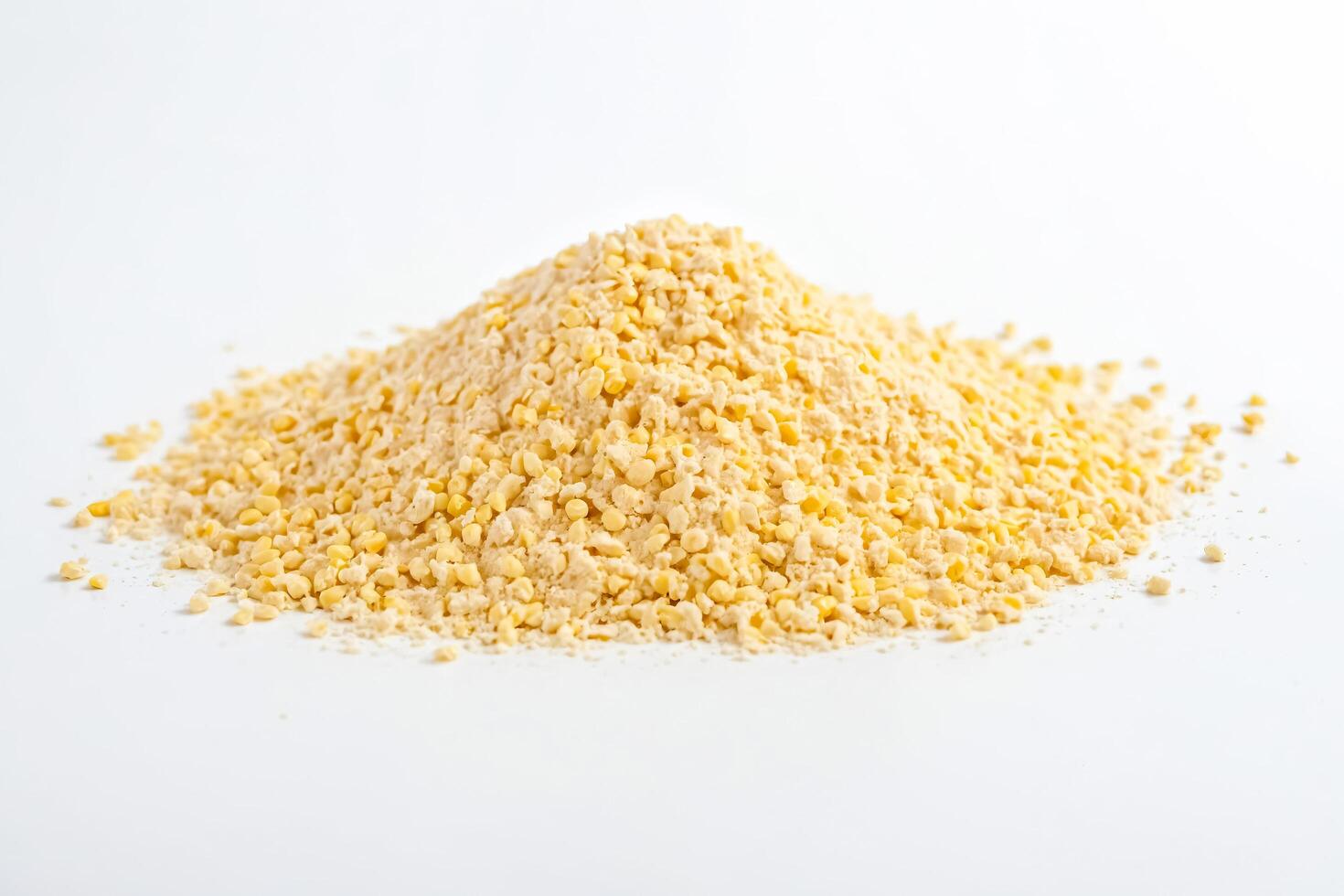
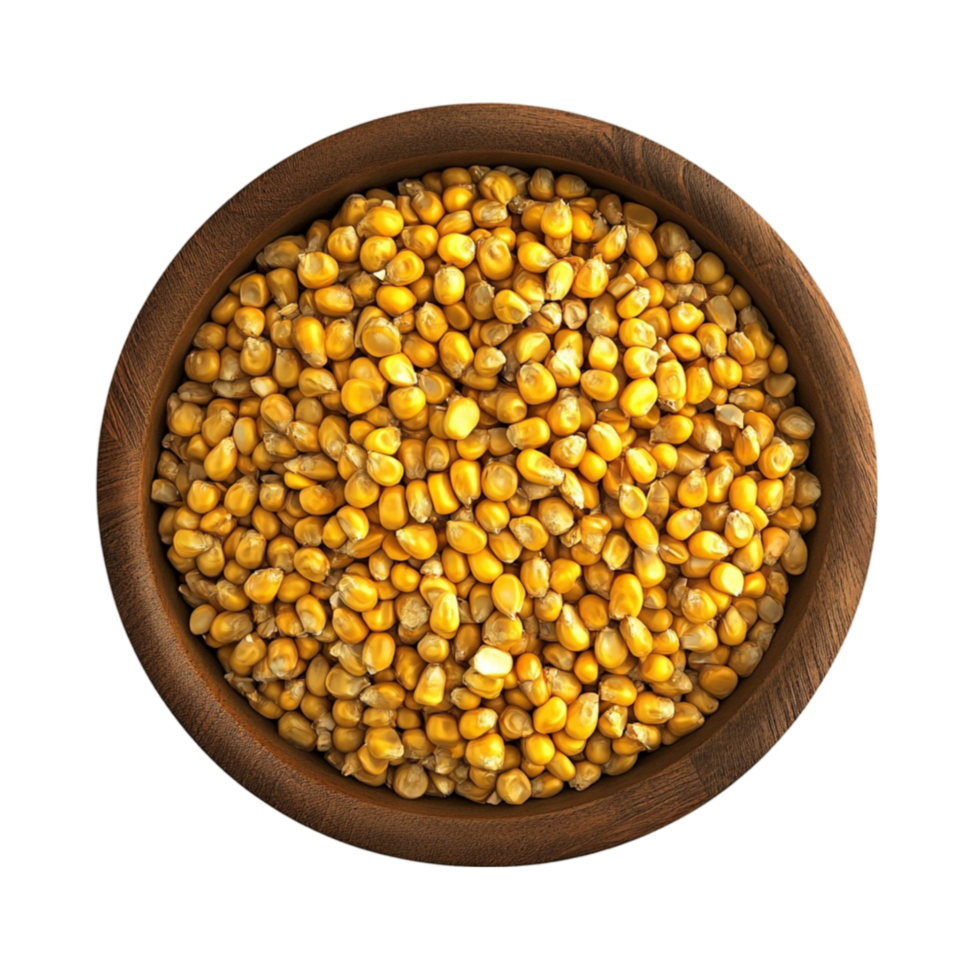
Corn meal is naturally gluten-free as it is made from ground corn, which does not contain gluten. However, it’s important to check product labels or choose certified gluten-free corn meal to ensure there has been no cross-contamination during processing or packaging with gluten-containing grains.
Quick Tips
1Good source of complex carbohydrates for sustained energy
2High in fiber, which aids digestion and promotes feelings of fullness
3Contains essential minerals like iron, magnesium, and phosphorus
# In This Article
3 sectionsQuick navigation to each section of this article:
Benefits of Corn Meal
| Benefits of Corn Meal |
|---|
| Good source of complex carbohydrates for sustained energy |
| High in fiber, which aids digestion and promotes feelings of fullness |
| Contains essential minerals like iron, magnesium, and phosphorus |
| Provides B vitamins, particularly thiamin (B1) and folate (B9) |
| Rich in antioxidants, especially carotenoids like lutein and zeaxanthin |
| Gluten-free, making it suitable for people with celiac disease or gluten sensitivity |
| Low in fat and cholesterol-free |
| Contains some protein, contributing to muscle maintenance and growth |
| May help with blood sugar control due to its lower glycemic index compared to some other grains |
| Supports heart health when consumed as part of a balanced diet |
| Provides small amounts of vitamin A, which is beneficial for eye health |
| Can be part of a weight management diet due to its fiber content and relatively low calorie density |
| Offers some selenium, which supports thyroid function and immune system healthRemember that while corn meal has these benefits, it’s important to consume it as part of a balanced diet for optimal health. |
Who should avoid Corn Meal
| Who should avoid Corn Meal |
|---|
| People with corn allergies or corn intolerances |
| Individuals with celiac disease or non-celiac gluten sensitivity (some corn meals may be cross-contaminated with gluten) |
| Those following a low-carb or ketogenic diet |
| People with diabetes or pre-diabetes who need to carefully monitor their carbohydrate intake |
| Individuals trying to lose weight, as corn meal is calorie-dense |
| Those with digestive issues or sensitivities to high-FODMAP foods |
| People following a paleo or grain-free diet |
| Individuals with a history of diverticulitis or other gastrointestinal disorders that may be aggravated by corn products |
| Those with a high risk of mycotoxin sensitivity, as corn can sometimes harbor these compounds |
| People with specific genetic conditions that affect the metabolism of certain nutrients found in corn |
| Individuals following an autoimmune protocol diet, which often excludes grains including cornRemember that it’s always best to consult with a healthcare professional or registered dietitian before making significant changes to your diet, especially if you have specific health concerns or conditions. |
Related Gluten Free Products
Here are five gluten-free options similar to corn meal, along with brief descriptions:
| Related Gluten Free Products |
|---|
| Rice flour: A finely ground flour made from rice grains. It's versatile and can be used in baking, as a thickener, or for coating foods before frying. |
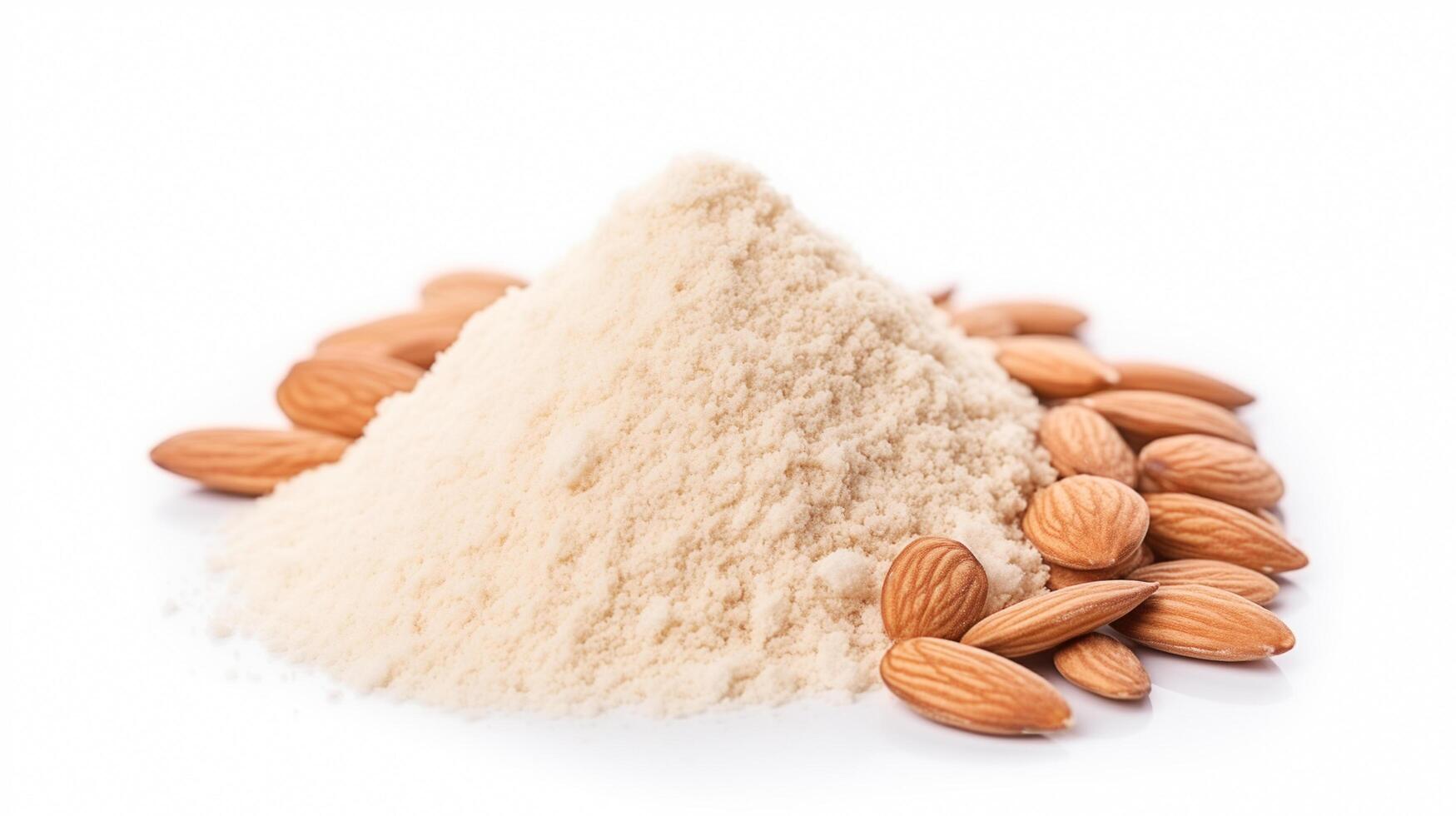
| Almond flour: Made from ground blanched almonds, this flour is high in protein and healthy fats. It's often used in gluten-free baking and provides a nutty flavor to dishes. |
| Buckwheat flour: Despite its name, buckwheat is not related to wheat and is gluten-free. It has a strong, earthy flavor and is commonly used in pancakes, noodles, and traditional dishes like blinis. |
| Chickpea flour: Also known as garbanzo bean flour, it's high in protein and fiber. It has a slightly nutty taste and is often used in Mediterranean and Middle Eastern cuisines for flatbreads and batters. |
| Tapioca flour: Extracted from the cassava root, this light, slightly sweet flour is often used as a thickener in sauces and puddings. It can also be used in gluten-free baking to improve texture and binding. |
Health Information
? Frequently Asked Questions
4 questions1 Does corn masa flour contain gluten?
2 Is corn masa flour the same as corn flour?
3 Does corn flour contain gluten?
4 Is masa for tamales gluten-free?
Our Expert
Drs. Ilse van Asperen
Orthomolecular Therapist, Nutritional Coach & Professional Editor
Drs. Ilse van Asperen is a medical doctor specialising in orthomolecular therapy and nutritional coaching. With a background in public and clinical health research and management, she focuses on addressing the root causes of health issues through diet, gut health, and stress reduction. As a professional editor for Little Helpers, she reviews all gluten-free content to ensure accuracy, safety, and scientific credibility. Read more on Drs. Ilse van Asperen's own website
Our Sources
The information on this page is based on reputable health and nutrition organisations, ensuring accuracy and reliability for anyone following a gluten-free diet. For further details, see the sources below.