Share
TL;DR
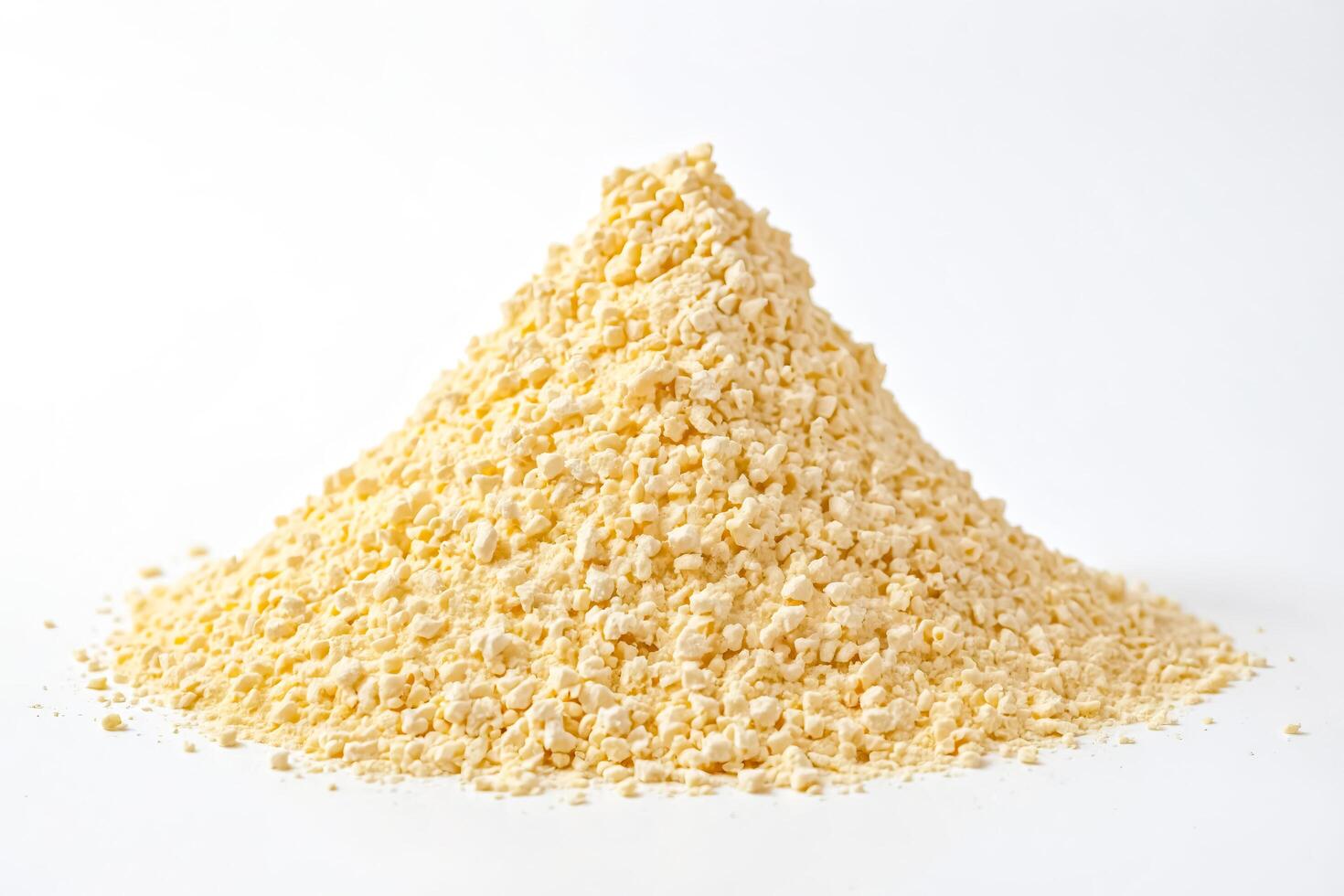
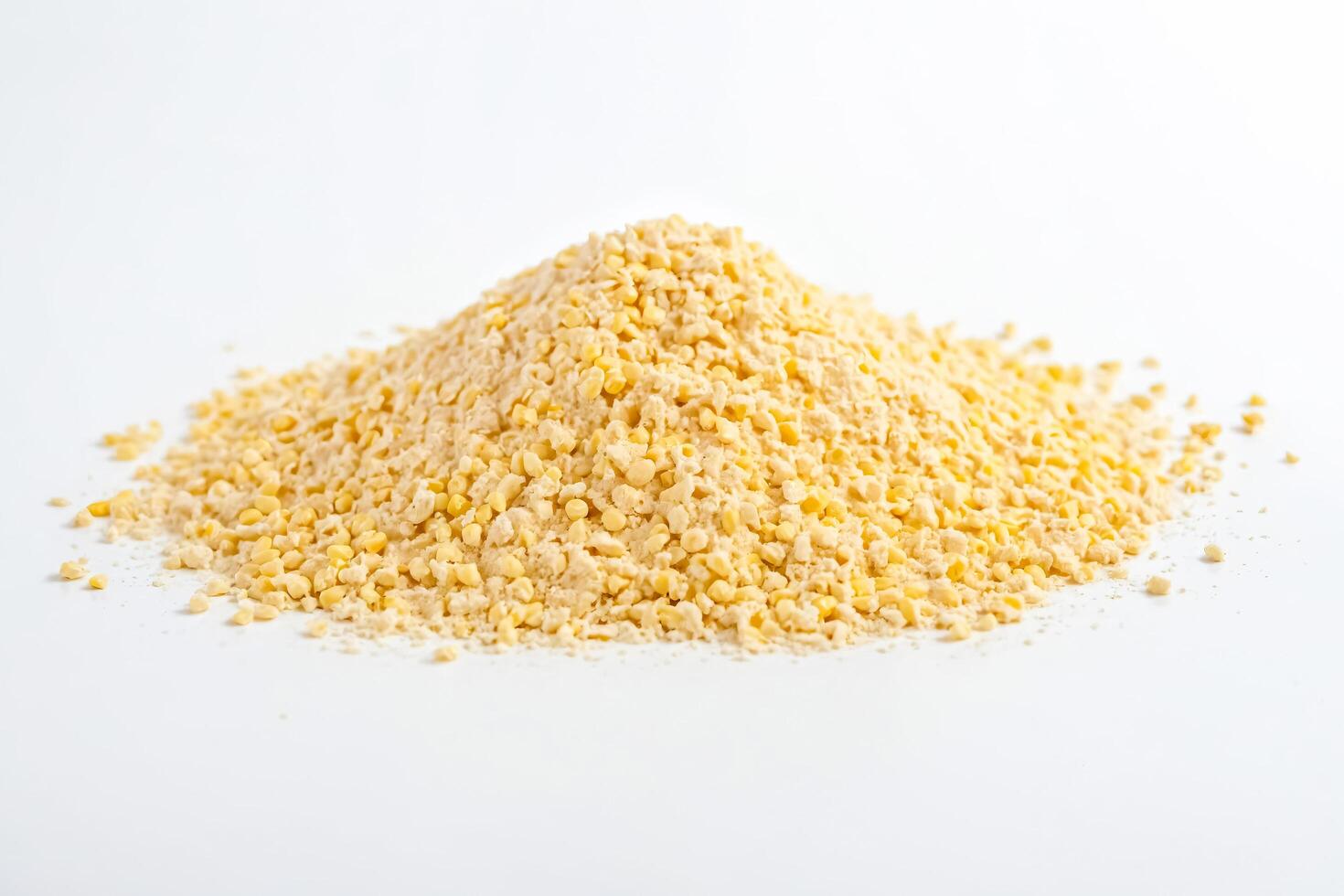
Yes, cornmeal is naturally gluten-free as it is made from ground corn, which does not contain gluten. However, it’s important to check product labels to ensure there hasn’t been cross-contamination during processing if you have celiac disease or severe gluten sensitivity.
Quick Tips
1Gluten-free: Suitable for people with celiac disease or gluten sensitivity
2Rich in fiber: Aids digestion and promotes feelings of fullness
3Good source of complex carbohydrates: Provides sustained energy
# In This Article
3 sectionsQuick navigation to each section of this article:
1 Benefits of Cornmeal
Gluten-free: Suitable for people with celiac disease or gluten sensitivity
Jump2 Who should avoid Cornmeal
People with corn allergies: Individuals allergic to corn should avoid cornmeal entirely.
Jump3 Related Gluten Free Products
Here are five gluten-free options similar to cornmeal:
JumpBenefits of Cornmeal
| Benefits of Cornmeal |
|---|
| Gluten-free: Suitable for people with celiac disease or gluten sensitivity |
| Rich in fiber: Aids digestion and promotes feelings of fullness |
| Good source of complex carbohydrates: Provides sustained energy |
| Contains essential minerals: Including iron, magnesium, phosphorus, and zinc |
| Natural antioxidants: Contains carotenoids like lutein and zeaxanthin |
| Low in fat: Beneficial for those watching their fat intake |
| Source of B vitamins: Including thiamin, niacin, and folate |
| Helps control blood sugar: Due to its lower glycemic index compared to refined flour |
| Supports eye health: Thanks to its lutein and zeaxanthin content |
| Can be used as a natural exfoliant: In homemade beauty products |
| Provides some protein: Though not a complete protein source |
Who should avoid Cornmeal
| Who should avoid Cornmeal |
|---|
| People with corn allergies: Individuals allergic to corn should avoid cornmeal entirely. |
| Those with celiac disease: While corn is naturally gluten-free, some cornmeal products may be cross-contaminated with gluten during processing. |
| Individuals with gluten sensitivity: Similar to those with celiac disease, they should be cautious and choose certified gluten-free cornmeal. |
| People following a low-carb diet: Cornmeal is high in carbohydrates and may not fit into their dietary plan. |
| Those with diabetes: Cornmeal can cause blood sugar spikes, so diabetics should consume it in moderation and under medical guidance. |
| Individuals with digestive issues: Some people may find cornmeal difficult to digest, especially those with irritable bowel syndrome (IBS) or other gastrointestinal disorders. |
| People with a history of diverticulitis: While not universally recommended, some doctors advise patients with diverticular disease to avoid foods with small seeds like those found in cornmeal. |
| Those following a paleo or grain-free diet: Cornmeal is a grain and is typically excluded from these dietary approaches. |
| Individuals with a sensitivity to FODMAPs: Cornmeal contains some FODMAPs, which may cause digestive discomfort in sensitive individuals.Remember, it’s always best to consult with a healthcare professional or registered dietitian for personalized advice regarding dietary restrictions. |
Related Gluten Free Products
Here are five gluten-free options similar to cornmeal:
| Related Gluten Free Products |
|---|
| Rice flour: Made from finely ground rice grains, this versatile flour is commonly used in gluten-free baking and cooking. It has a mild flavor and can be used to make bread, cakes, and as a thickening agent. |
| Almond flour: Produced from blanched and ground almonds, this flour is high in protein and healthy fats. It's popular in gluten-free and low-carb baking, providing a nutty flavor and moist texture to baked goods. |
| Buckwheat flour: Despite its name, buckwheat is not related to wheat and is naturally gluten-free. This flour has a strong, earthy flavor and is rich in nutrients. It's commonly used in pancakes, noodles, and traditional dishes like Russian blini. |
| Chickpea flour: Also known as garbanzo bean flour, this option is high in protein and fiber. It has a slightly nutty taste and is often used in Mediterranean and Middle Eastern cuisines for flatbreads, fritters, and as a batter for frying. |
| Sorghum flour: Made from an ancient cereal grain, sorghum flour has a mild, sweet flavor. It's rich in antioxidants and can be used in a variety of baked goods, helping to create a texture similar to wheat flour when combined with other gluten-free flours. |
Health Information
? Frequently Asked Questions
2 questions1 What brand of cornmeal is gluten free?
2 Does Quaker Yellow cornmeal contain gluten?
Our Expert
Drs. Ilse van Asperen
Orthomolecular Therapist, Nutritional Coach & Professional Editor
Drs. Ilse van Asperen is a medical doctor specialising in orthomolecular therapy and nutritional coaching. With a background in public and clinical health research and management, she focuses on addressing the root causes of health issues through diet, gut health, and stress reduction. As a professional editor for Little Helpers, she reviews all gluten-free content to ensure accuracy, safety, and scientific credibility. Read more on Drs. Ilse van Asperen's own website
Our Sources
The information on this page is based on reputable health and nutrition organisations, ensuring accuracy and reliability for anyone following a gluten-free diet. For further details, see the sources below.