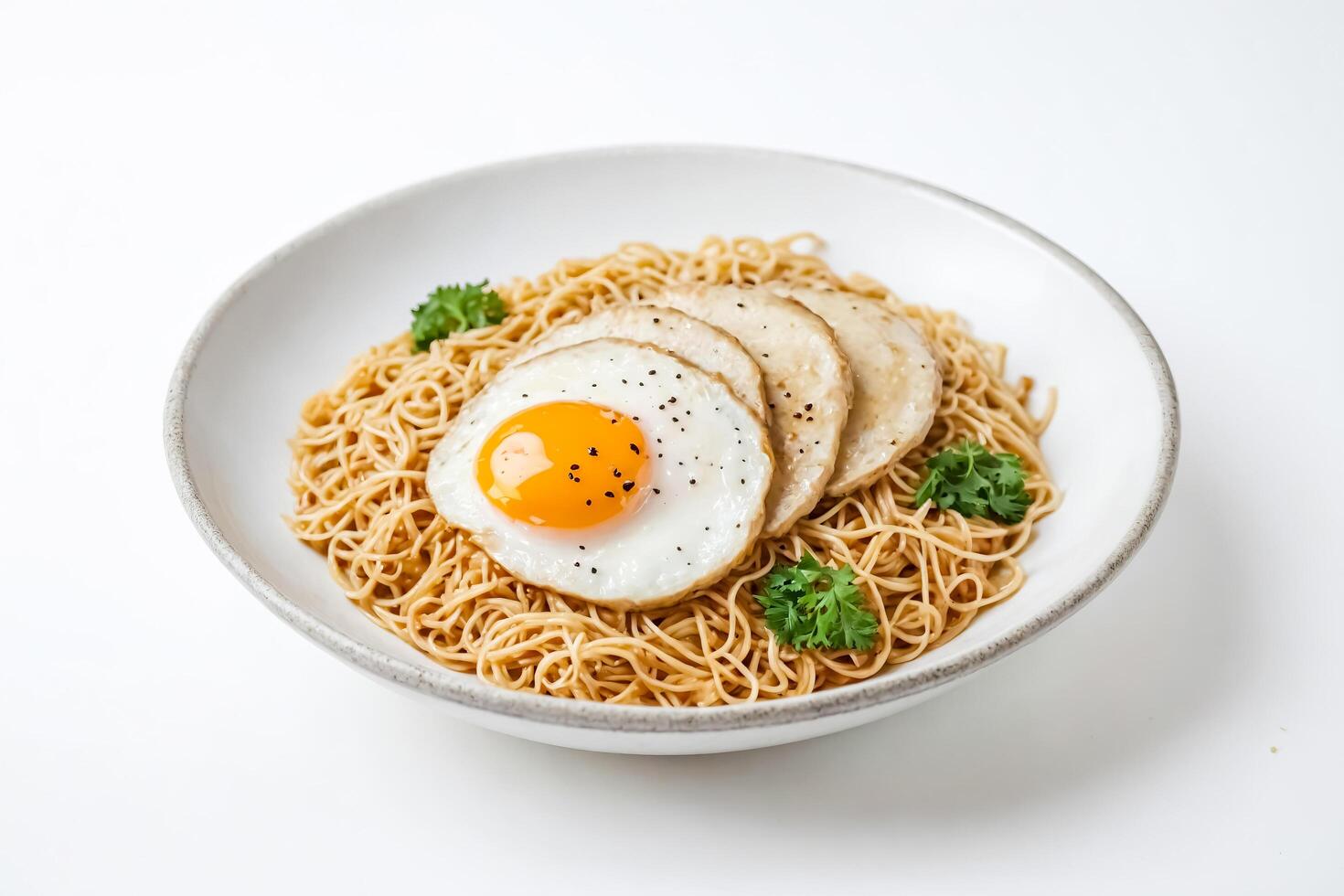
Is Egg Gluten Free?

Is Egg Gluten Free?

Yes, eggs are naturally gluten-free. They do not contain wheat, barley, rye, or any other gluten-containing grains, making them safe for people with celiac disease or gluten sensitivity to consume.

TL;DR

Yes, eggs are naturally gluten-free. They do not contain wheat, barley, rye, or any other gluten-containing grains, making them safe for people with celiac disease or gluten sensitivity to consume.

Quick Tips

1

Excellent source of high-quality protein

2

Rich in essential amino acids

3

Contains choline, important for brain health and development

# In This Article

3 sections

Quick navigation to each section of this article:

1 Benefits of Egg

Excellent source of high-quality protein

Jump
2 Who should avoid Egg

Those with egg allergies

Jump
3 Related Gluten Free Products

Here are five gluten-free options similar to Egg, along with short descriptions for each product:

Jump

Benefits of Egg

Benefits of Egg
Excellent source of high-quality protein
Rich in essential amino acids
Contains choline, important for brain health and development
Good source of vitamin D, which supports bone health
Provides vitamin B12, crucial for red blood cell formation and neurological function
Contains lutein and zeaxanthin, antioxidants that support eye health
Offers vitamin A, important for vision and immune function
Provides selenium, an antioxidant that supports thyroid function
Contains vitamin E, which acts as an antioxidant
Good source of iron, essential for oxygen transport in the body
Offers zinc, important for immune function and wound healing
Promotes feelings of fullness, potentially aiding in weight management
Versatile and easy to incorporate into various meals
May help increase HDL (good) cholesterol levels
Contains omega-3 fatty acids (especially in eggs from pasture-raised hens)
Provides riboflavin (vitamin B2), important for energy metabolismRemember that while eggs offer many health benefits, they should be consumed as part of a balanced diet.

Who should avoid Egg

Who should avoid Egg
Those with egg allergies
Individuals with a high risk of cardiovascular disease (due to high cholesterol content in egg yolks)
People following a vegan diet
Those with salmonella concerns, especially pregnant women, young children, elderly, and immunocompromised individuals (when consuming raw or undercooked eggs)
Individuals on a low-cholesterol diet as prescribed by their doctor
Those with specific medical conditions that require limiting protein intake, such as advanced kidney disease
People with certain metabolic disorders, like biotin deficiency
Individuals taking certain medications that may interact with nutrients in eggs (always consult with a healthcare provider)
Those following specific religious or cultural dietary restrictions that prohibit egg consumption
People with alpha-gal syndrome (red meat allergy), as some may also react to eggsRemember, it’s always best to consult with a healthcare professional or registered dietitian for personalized advice regarding dietary restrictions or concerns.
ENJOY YOUR FAVORITE FOODS FEARLESSLY!
Don’t let gluten hold you back. Take Anti-Gluten Pills before your meal and enjoy peace of mind.
SHOP ANTI-GLUTEN PILLS
Clinically proven · Up to 86% gluten reduction · Fast acting

Here are five gluten-free options similar to Egg, along with short descriptions for each product:

Related Gluten Free Products
Aquafaba: A viscous liquid made from chickpea brine that can be whipped to create a meringue-like texture. It's an excellent egg replacer in baking and can be used to make vegan mayonnaise and other emulsions.
Flax Egg: Made by mixing ground flaxseed with water, this gel-like substance works well as a binder in baked goods. It adds a slightly nutty flavor and provides omega-3 fatty acids.
Chia Egg: Similar to flax egg, it's made by mixing chia seeds with water. Chia eggs work well in recipes that require binding and add fiber and nutrients to baked goods.
Commercial Egg Replacer: Typically made from potato starch, tapioca starch, and leavening agents, these powdered products are designed to mimic eggs in baking without adding flavor or color.
Mashed Banana: A natural option that adds moisture and sweetness to baked goods. It works especially well in denser recipes like muffins or quick breads, though it does impart a banana flavor.

Health Information

? Frequently Asked Questions

4 questions
1 Why are eggs not gluten-free?
Eggs are naturally gluten-free. They do not contain any gluten proteins. Eggs are a safe food for people with celiac disease or gluten sensitivity. The confusion may arise from cross-contamination during processing or preparation, but eggs themselves are gluten-free.
2 Do scrambled eggs have gluten?
Scrambled eggs themselves do not contain gluten. Gluten is a protein found in wheat, barley, and rye, which are not ingredients in plain scrambled eggs. However, it's important to be cautious about potential cross-contamination if the eggs are prepared in a kitchen that also handles gluten-containing foods. Additionally, some recipes for scrambled eggs may include added ingredients that contain gluten, so it's always best to check all components if you have gluten sensitivities or celiac disease.
3 Can celiacs eat eggs?
Yes, celiacs can eat eggs. Eggs are naturally gluten-free and safe for people with celiac disease to consume. They are an excellent source of protein and nutrients for those following a gluten-free diet. However, it's important to be cautious of potential cross-contamination when eggs are prepared in environments that also handle gluten-containing foods.
4 Do boiled eggs have gluten?
Boiled eggs do not contain gluten. Eggs are naturally gluten-free, as gluten is a protein found in wheat, barley, and rye. The boiling process does not introduce any gluten to the eggs. People with celiac disease or gluten sensitivity can safely consume boiled eggs as part of their diet.
LIVE GLUTEN-FREE WITHOUT THE FUSS!
Introducing Tolerase® G, clinically proven to reduce up to 86% of gluten in under 10 minutes. Experience the freedom to eat what you love.
SHOP ANTI-GLUTEN PILLS
150mg pure Tolerase® G · Reduces gluten by 86% · Under 10 minutes

Our Expert

Drs. Ilse van Asperen, Orthomolecular Therapist and Nutritional Coach

Drs. Ilse van Asperen

Orthomolecular Therapist, Nutritional Coach & Professional Editor

Drs. Ilse van Asperen is a medical doctor specialising in orthomolecular therapy and nutritional coaching. With a background in public and clinical health research and management, she focuses on addressing the root causes of health issues through diet, gut health, and stress reduction. As a professional editor for Little Helpers, she reviews all gluten-free content to ensure accuracy, safety, and scientific credibility. Read more on Drs. Ilse van Asperen's own website

Our Sources

The information on this page is based on reputable health and nutrition organisations, ensuring accuracy and reliability for anyone following a gluten-free diet. For further details, see the sources below.
Sources

Similar Articles

Back to blog