Is Graham Cracker Gluten Free?

Is Graham Cracker Gluten Free?

Traditional graham crackers are not gluten-free as they are typically made with wheat flour. However, there are now several brands that offer gluten-free versions of graham crackers, made with alternative flours such as rice flour, sorghum flour, or almond flour.

TL;DR

Traditional graham crackers are not gluten-free as they are typically made with wheat flour. However, there are now several brands that offer gluten-free versions of graham crackers, made with alternative flours such as rice flour, sorghum flour, or almond flour.

Quick Tips

1

Low in calories: Graham crackers are relatively low in calories compared to many other snacks, making them a good option for weight management.

2

Whole grain: Many Graham crackers are made with whole wheat flour, which provides more fiber and nutrients than refined flour.

3

Source of fiber: The whole grain content contributes to dietary fiber intake, which aids in digestion and helps maintain gut health.

# In This Article

3 sections

Quick navigation to each section of this article:

1 Benefits of Graham Cracker

Low in calories: Graham crackers are relatively low in calories compared to many other snacks, making them a good option for weight management.

Jump
2 Who should avoid Graham Cracker

People with celiac disease or gluten sensitivity: Most graham crackers contain wheat flour and are not gluten-free.

Jump
3 Gluten Free Alternatives

Here are five gluten-free alternatives to Graham Crackers, along with short descriptions:

Jump

Benefits of Graham Cracker

Benefits of Graham Cracker
Low in calories: Graham crackers are relatively low in calories compared to many other snacks, making them a good option for weight management.
Whole grain: Many Graham crackers are made with whole wheat flour, which provides more fiber and nutrients than refined flour.
Source of fiber: The whole grain content contributes to dietary fiber intake, which aids in digestion and helps maintain gut health.
Low in sugar: Compared to many other sweet snacks, Graham crackers typically have less added sugar.
Fortified with vitamins and minerals: Some brands fortify their Graham crackers with essential nutrients like B vitamins, iron, and calcium.
Satisfying crunch: The crispy texture can help satisfy cravings for crunchy snacks in a healthier way than chips or other fried options.
Versatile for healthy toppings: Graham crackers can serve as a base for nutritious toppings like nut butter or fresh fruit.
Better alternative to cookies: When craving something sweet, Graham crackers can be a healthier choice than many types of cookies.
May help with nausea: Some people find that the mild flavor and texture of Graham crackers can help settle an upset stomach.It’s important to note that while Graham crackers can have these benefits, they should still be consumed in moderation as part of a balanced diet.

Who should avoid Graham Cracker

Who should avoid Graham Cracker
People with celiac disease or gluten sensitivity: Most graham crackers contain wheat flour and are not gluten-free.
Individuals with wheat allergies: Graham crackers typically contain wheat as a primary ingredient.
Those following a low-carb or ketogenic diet: Graham crackers are high in carbohydrates.
People with diabetes: Graham crackers can cause a rapid increase in blood sugar levels.
Individuals watching their sugar intake: Many graham crackers contain added sugars.
Those with specific religious or dietary restrictions: Some graham crackers may contain ingredients that conflict with certain beliefs or practices.
People with nut allergies: Some varieties of graham crackers may contain nuts or be processed in facilities that handle nuts.
Individuals with honey allergies: Some graham crackers contain honey as a sweetener.
Those following a vegan diet: Some graham crackers contain honey or other animal-derived ingredients.
People with specific preservative sensitivities: Some brands may use preservatives that certain individuals need to avoid.It’s always best to check the ingredient list and consult with a healthcare professional if you have specific dietary concerns or restrictions.
ENJOY YOUR FAVORITE FOODS FEARLESSLY!
Don’t let gluten hold you back. Take Anti-Gluten Pills before your meal and enjoy peace of mind.
SHOP ANTI-GLUTEN PILLS
Clinically proven · Up to 86% gluten reduction · Fast acting

Gluten Free Alternatives

Here are five gluten-free alternatives to Graham Crackers, along with short descriptions:

Gluten Free Alternatives
Gluten-free rice crackers- Light and crispy crackers made from rice flour- Often available in various flavors and shapes- Can be used as a base for s'mores or crushed for pie crusts
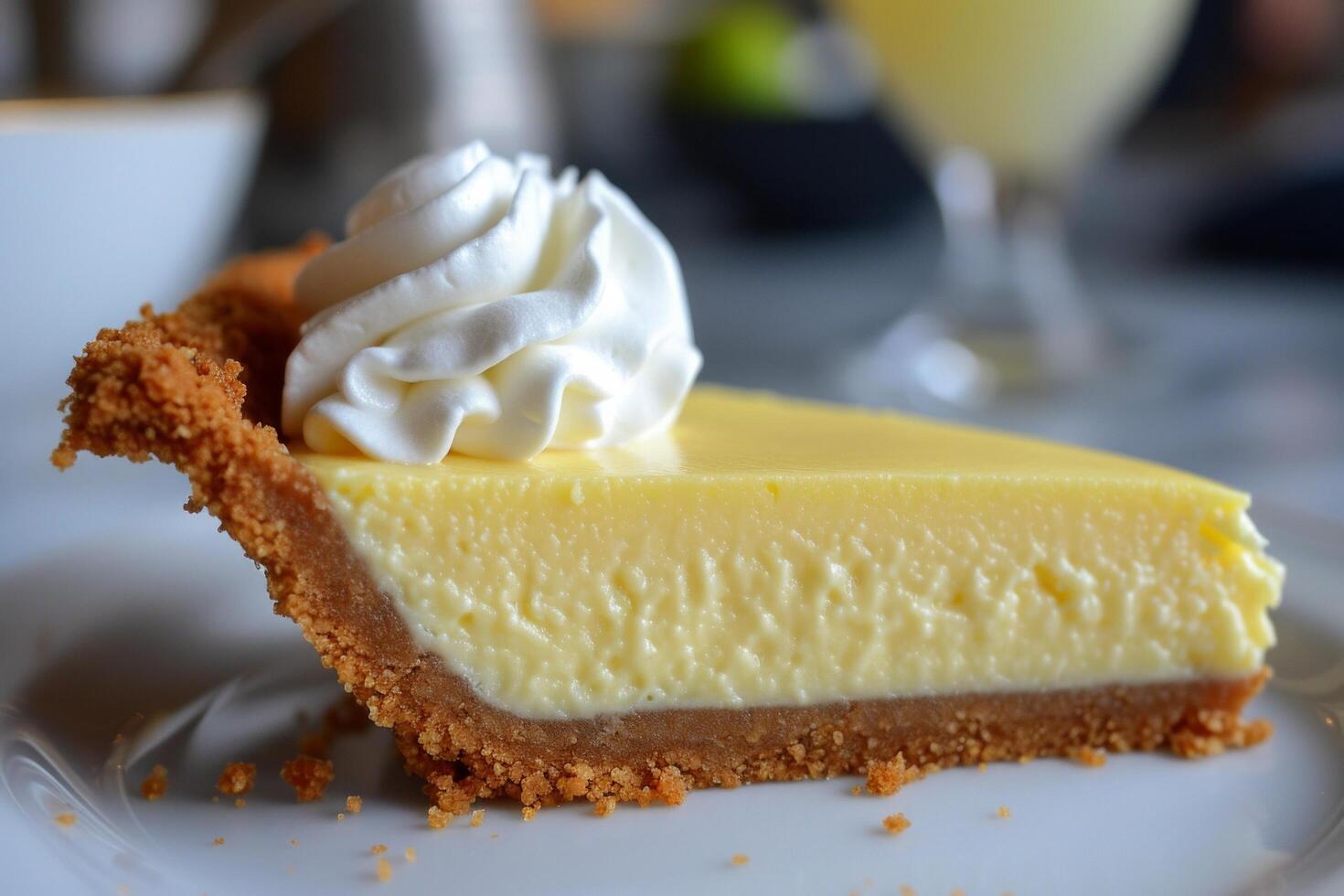
Almond flour crackers- Made with almond flour, providing a nutty flavor and higher protein content- Often have a slightly softer texture than traditional Graham crackers- Great for snacking or as a base for cheesecake crusts
Coconut cookies- Made with coconut flour or shredded coconut- Offer a sweet, tropical flavor profile- Can be used as a substitute in recipes calling for Graham crackers
Gluten-free oat crackers- Made with certified gluten-free oats- Provide a similar wholesome flavor to Graham crackers- Good source of fiber and can be used in both sweet and savory applications
Buckwheat crackers- Despite the name, buckwheat is gluten-free and not related to wheat- Offer a nutty, earthy flavor- Provide a good crunch and can be used as a base for various toppings or in recipes

Health Information

? Frequently Asked Questions

4 questions
1 Is pure grain alcohol gluten-free?
Pure grain alcohol is typically gluten-free. The distillation process removes gluten proteins from the final product. However, some people with extreme gluten sensitivity may still react to trace amounts. It's best to check with the specific manufacturer to confirm their product is gluten-free.
2 What alcohols are not gluten-free?
Most distilled alcohols are considered gluten-free, even if made from gluten-containing grains. However, some beer, ale, lager, and malt beverages contain gluten from barley or wheat used in brewing. Flavored spirits or liqueurs may sometimes contain gluten-based additives or flavorings. Additionally, some people with celiac disease or gluten sensitivity may react to grain-based alcohols even if they're technically gluten-free.
3 Is grain alcohol made from wheat?
Grain alcohol can be made from wheat, but it's not the only source. Other grains like corn, rye, and barley are also commonly used to produce grain alcohol. The specific grain used can vary depending on the manufacturer and intended product. Regardless of the grain source, the end result is a high-proof, neutral-flavored alcohol.
4 Can celiacs drink alcohol?
Celiacs can drink certain types of alcohol, but they need to be cautious. Pure distilled spirits like vodka, gin, and whiskey are generally considered safe for celiacs. However, beer and some other grain-based alcoholic beverages usually contain gluten and should be avoided. It's important for celiacs to carefully check labels and choose gluten-free options when consuming alcohol.
LIVE GLUTEN-FREE WITHOUT THE FUSS!
Introducing Tolerase® G, clinically proven to reduce up to 86% of gluten in under 10 minutes. Experience the freedom to eat what you love.
SHOP ANTI-GLUTEN PILLS
150mg pure Tolerase® G · Reduces gluten by 86% · Under 10 minutes

Our Expert

Drs. Ilse van Asperen, Orthomolecular Therapist and Nutritional Coach

Drs. Ilse van Asperen

Orthomolecular Therapist, Nutritional Coach & Professional Editor

Drs. Ilse van Asperen is a medical doctor specialising in orthomolecular therapy and nutritional coaching. With a background in public and clinical health research and management, she focuses on addressing the root causes of health issues through diet, gut health, and stress reduction. As a professional editor for Little Helpers, she reviews all gluten-free content to ensure accuracy, safety, and scientific credibility. Read more on Drs. Ilse van Asperen's own website

Our Sources

The information on this page is based on reputable health and nutrition organisations, ensuring accuracy and reliability for anyone following a gluten-free diet. For further details, see the sources below.
Sources

Similar Articles

Back to blog