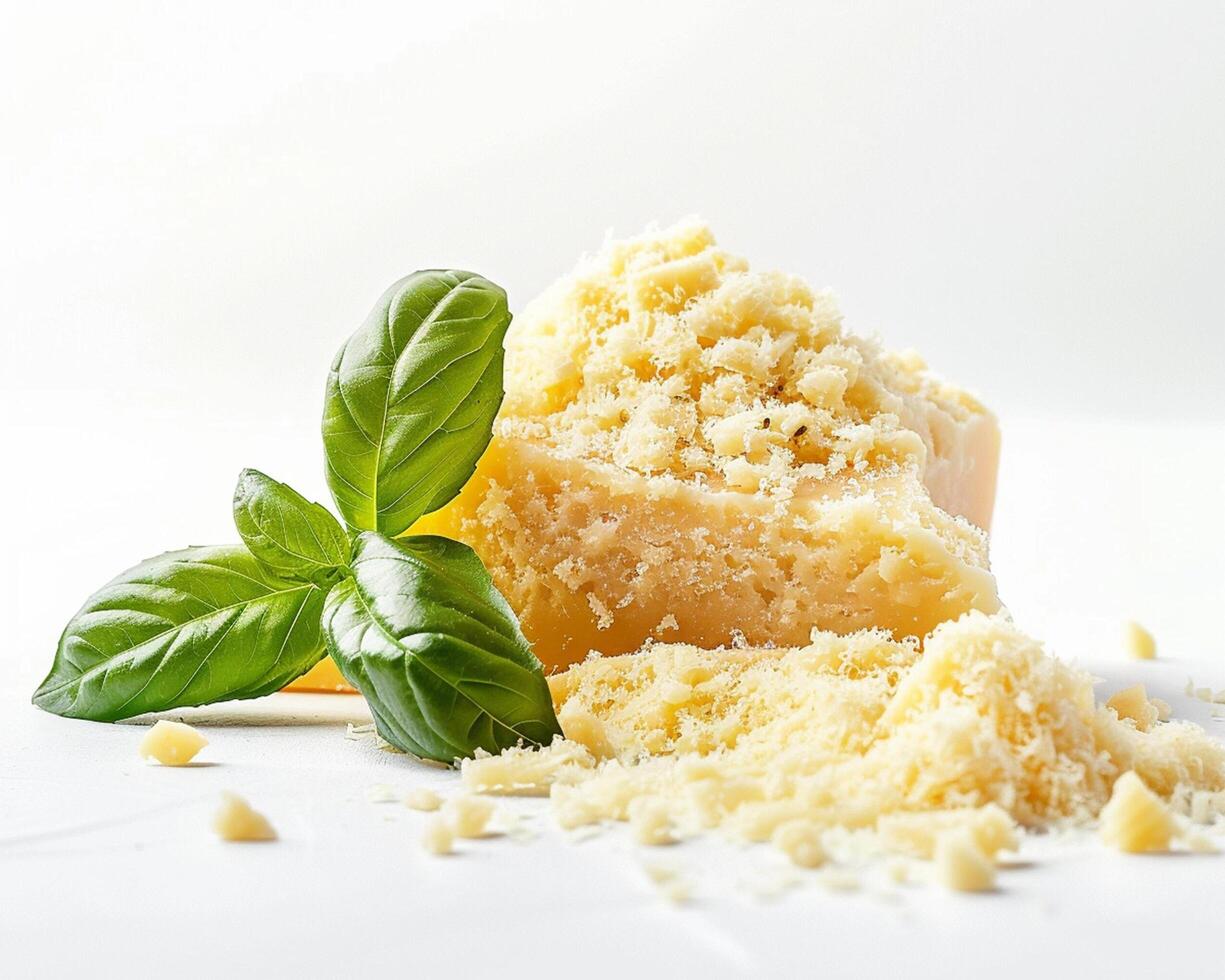
Is Grated Parmesan Cheese Gluten Free?

Is Grated Parmesan Cheese Gluten Free?

Generally, pure grated Parmesan cheese is gluten-free as it is made only from milk, salt, and rennet. However, some pre-packaged grated Parmesan cheeses may contain added ingredients like anti-caking agents or preservatives that could potentially contain gluten, so it’s always best to check the label or contact the manufacturer if you have celiac disease or gluten sensitivity.

TL;DR

Generally, pure grated Parmesan cheese is gluten-free as it is made only from milk, salt, and rennet. However, some pre-packaged grated Parmesan cheeses may contain added ingredients like anti-caking agents or preservatives that could potentially contain gluten, so it’s always best to check the label or contact the manufacturer if you have celiac disease or gluten sensitivity.

Quick Tips

1

High in protein: Parmesan is a good source of protein, which is essential for muscle growth and repair.

2

Rich in calcium: It provides a significant amount of calcium, crucial for bone health and dental strength.

3

Contains vitamin A: Beneficial for eye health, immune function, and skin health.

# In This Article

3 sections

Quick navigation to each section of this article:

1 Benefits of Grated Parmesan Cheese

High in protein: Parmesan is a good source of protein, which is essential for muscle growth and repair.

Jump
2 Who should avoid Grated Parmesan Cheese

People with severe dairy allergies or lactose intolerance

Jump
3 Related Gluten Free Products

Here are five similar gluten-free options like Grated Parmesan Cheese, along with short descriptions:

Jump

Benefits of Grated Parmesan Cheese

Benefits of Grated Parmesan Cheese
High in protein: Parmesan is a good source of protein, which is essential for muscle growth and repair.
Rich in calcium: It provides a significant amount of calcium, crucial for bone health and dental strength.
Contains vitamin A: Beneficial for eye health, immune function, and skin health.
Good source of phosphorus: Important for bone health and cellular function.
Provides zinc: Supports immune function and wound healing.
Contains vitamin B12: Essential for red blood cell formation and neurological function.
Low in lactose: Often well-tolerated by people with mild lactose intolerance.
Contains probiotics: Some types of Parmesan contain beneficial bacteria that support gut health.
High in glutamate: May enhance the flavor of foods, potentially reducing the need for added salt.
Contains conjugated linoleic acid (CLA): May have anti-inflammatory properties.
Provides selenium: An antioxidant that supports thyroid function and immune health.
Contains riboflavin (vitamin B2): Important for energy production and cellular function.Remember, while Parmesan cheese offers these benefits, it’s also high in sodium and calories, so it should be consumed in moderation as part of a balanced diet.

Who should avoid Grated Parmesan Cheese

Who should avoid Grated Parmesan Cheese
People with severe dairy allergies or lactose intolerance
Those following a strict vegan diet
Individuals on a low-sodium diet (Parmesan is relatively high in sodium)
People with high cholesterol concerns (Parmesan is high in saturated fat)
Those following a low-calorie diet (Parmesan is calorie-dense)
Individuals with calcium oxalate kidney stones (due to high calcium content)
People with histamine intolerance (aged cheeses like Parmesan are high in histamines)
Those following a low-FODMAP diet (Parmesan contains lactose, though in small amounts)
Individuals with a sensitivity to rennet (used in the cheese-making process)
People adhering to certain religious dietary restrictions (e.g., some interpretations of kosher or halal diets)
Those with specific medical conditions requiring the avoidance of aged cheesesRemember, it’s always best to consult with a healthcare professional or registered dietitian for personalized advice regarding dietary restrictions.
ENJOY YOUR FAVORITE FOODS FEARLESSLY!
Don’t let gluten hold you back. Take Anti-Gluten Pills before your meal and enjoy peace of mind.
SHOP ANTI-GLUTEN PILLS
Clinically proven · Up to 86% gluten reduction · Fast acting

Here are five similar gluten-free options like Grated Parmesan Cheese, along with short descriptions:

Related Gluten Free Products
Nutritional Yeast:A deactivated yeast with a nutty, cheesy flavor. Rich in B-vitamins and often fortified with vitamin B12, it's a popular cheese substitute for vegans and those avoiding dairy.
Grated Pecorino Romano:A hard, salty Italian cheese made from sheep's milk. It has a sharp, tangy flavor and is often used as a substitute for Parmesan in many dishes.
Grated Aged Cheddar:A hard cow's milk cheese with a strong, sharp flavor that intensifies with age. When finely grated, it can be used similarly to Parmesan in many recipes.
Grated Manchego:A Spanish cheese made from sheep's milk with a distinctive flavor that ranges from mild to sharp depending on its age. It grates well and can be used as a Parmesan alternative.
Grated Asiago:An Italian cow's milk cheese that comes in various ages. The aged version (Asiago d'allevo) has a granular texture and strong flavor, making it a good Parmesan substitute when grated.

Health Information

? Frequently Asked Questions

4 questions
1 Does Kraft Parmesan cheese have gluten?
Kraft Parmesan cheese does not contain gluten. It is made from pasteurized part-skim milk, cheese cultures, salt, and enzymes. Kraft clearly states on their website that this product is gluten-free. However, it's always best to check the label of any specific product for the most up-to-date information on ingredients and allergens.
2 Can celiacs eat Parmesan cheese?
Generally, Parmesan cheese is considered safe for people with celiac disease. Parmesan is a naturally gluten-free cheese, as it is made from milk, salt, and rennet. However, celiacs should always check the label to ensure no gluten-containing additives have been used in the manufacturing process. It's also important to be cautious of cross-contamination if the cheese is cut or grated in a facility that also processes gluten-containing products.
3 Which cheese is not gluten-free?
Most cheeses are naturally gluten-free. However, some processed cheese products may contain gluten as an additive or filler. Blue cheese can sometimes contain gluten due to the mold cultures used. It's always best to check the label or contact the manufacturer if you're unsure about a specific cheese product.
4 Is Great Value grated Parmesan gluten-free?
Great Value is Walmart's store brand. Their grated Parmesan cheese is typically gluten-free. However, it's always best to check the specific product label for the most up-to-date information. If you have celiac disease or severe gluten sensitivity, you may want to contact the manufacturer directly to confirm their production processes.
LIVE GLUTEN-FREE WITHOUT THE FUSS!
Introducing Tolerase® G, clinically proven to reduce up to 86% of gluten in under 10 minutes. Experience the freedom to eat what you love.
SHOP ANTI-GLUTEN PILLS
150mg pure Tolerase® G · Reduces gluten by 86% · Under 10 minutes

Our Expert

Drs. Ilse van Asperen, Orthomolecular Therapist and Nutritional Coach

Drs. Ilse van Asperen

Orthomolecular Therapist, Nutritional Coach & Professional Editor

Drs. Ilse van Asperen is a medical doctor specialising in orthomolecular therapy and nutritional coaching. With a background in public and clinical health research and management, she focuses on addressing the root causes of health issues through diet, gut health, and stress reduction. As a professional editor for Little Helpers, she reviews all gluten-free content to ensure accuracy, safety, and scientific credibility. Read more on Drs. Ilse van Asperen's own website

Our Sources

The information on this page is based on reputable health and nutrition organisations, ensuring accuracy and reliability for anyone following a gluten-free diet. For further details, see the sources below.
Sources

Similar Articles

Back to blog