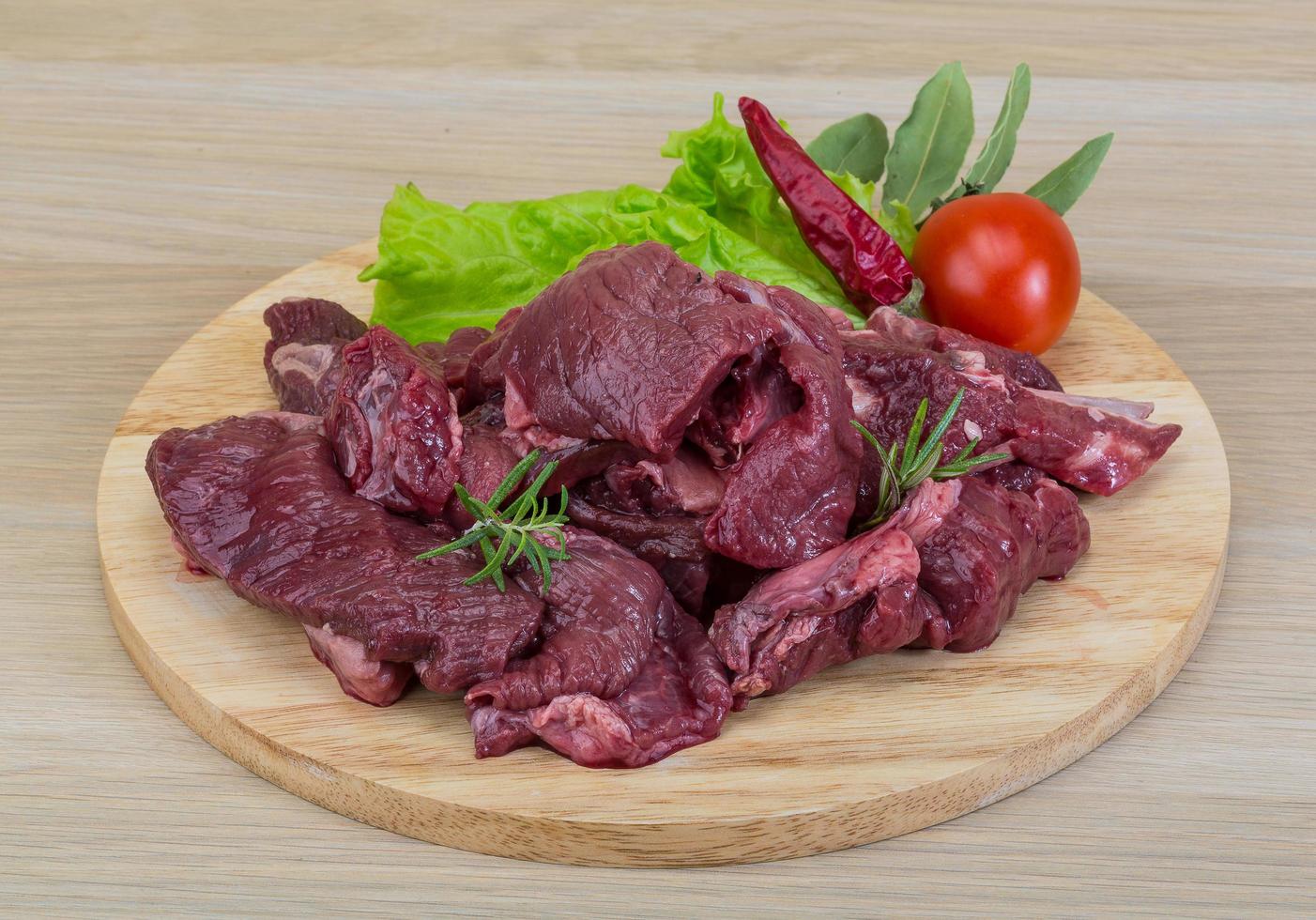
Is Gyro Meat Gluten Free?

Is Gyro Meat Gluten Free?

Gyro meat itself is typically gluten-free, as it’s usually made from a combination of lamb, beef, or chicken with spices. However, the pita bread traditionally served with gyros contains gluten, and there’s a risk of cross-contamination during preparation, so it’s important to check with the specific restaurant or manufacturer about their ingredients and practices if you have gluten sensitivity or celiac disease.

TL;DR

Gyro meat itself is typically gluten-free, as it’s usually made from a combination of lamb, beef, or chicken with spices. However, the pita bread traditionally served with gyros contains gluten, and there’s a risk of cross-contamination during preparation, so it’s important to check with the specific restaurant or manufacturer about their ingredients and practices if you have gluten sensitivity or celiac disease.

Quick Tips

1

High in protein: Gyro meat is typically made from lamb or beef, which are excellent sources of protein essential for muscle growth and repair.

2

Rich in B vitamins: Particularly B12, which is important for nerve function and the production of red blood cells.

3

Source of iron: Especially when made from lamb, gyro meat can provide iron, which is crucial for oxygen transport in the body.

# In This Article

3 sections

Quick navigation to each section of this article:

1 Benefits of Gyro Meat

High in protein: Gyro meat is typically made from lamb or beef, which are excellent sources of protein essential for muscle growth and repair.

Jump
2 Who should avoid Gyro Meat

People with high cholesterol: Gyro meat is often high in saturated fats, which can raise cholesterol levels.

Jump
3 Gluten Free Alternatives

Here are five gluten-free alternatives to Gyro Meat, along with short descriptions:

Jump

Benefits of Gyro Meat

Benefits of Gyro Meat
High in protein: Gyro meat is typically made from lamb or beef, which are excellent sources of protein essential for muscle growth and repair.
Rich in B vitamins: Particularly B12, which is important for nerve function and the production of red blood cells.
Source of iron: Especially when made from lamb, gyro meat can provide iron, which is crucial for oxygen transport in the body.
Contains zinc: Important for immune function and wound healing.
Provides selenium: An antioxidant that supports thyroid function and helps protect cells from damage.
Offers conjugated linoleic acid (CLA): Found in lamb, CLA may have anti-inflammatory and heart health benefits.
Low in carbohydrates: Suitable for low-carb diets.
Contains essential amino acids: Necessary for various bodily functions and cannot be produced by the body.
Provides creatine: Particularly in beef, which can support muscle energy and performance.
Source of taurine: An amino acid that supports heart and brain health.Note: While gyro meat does offer these potential benefits, it’s also typically high in fat and sodium. Moderation is key, and it should be consumed as part of a balanced diet.

Who should avoid Gyro Meat

Who should avoid Gyro Meat
People with high cholesterol: Gyro meat is often high in saturated fats, which can raise cholesterol levels.
Individuals with heart disease: The high fat content and sodium levels in gyro meat may be problematic for those with cardiovascular issues.
People with hypertension: The high sodium content in gyro meat can exacerbate high blood pressure.
Those on a low-fat diet: Gyro meat is typically high in fat, making it unsuitable for low-fat diets.
Individuals with gout: The high purine content in lamb (a common gyro meat) can trigger gout flare-ups.
People with certain food allergies: Some gyro meats may contain allergens like dairy or wheat in their seasonings.
Vegetarians and vegans: For ethical or dietary reasons, these individuals avoid meat products.
Those following halal or kosher diets: Unless specifically prepared according to religious guidelines, gyro meat may not meet these dietary requirements.
Pregnant women: If the meat is not fully cooked, it may pose a risk of foodborne illness.
People with digestive issues: The high fat content may be difficult for some individuals to digest.
Those watching their calorie intake: Gyro meat can be high in calories, making it less suitable for certain weight loss diets.Remember, it’s always best to consult with a healthcare professional or registered dietitian for personalized dietary advice.
ENJOY YOUR FAVORITE FOODS FEARLESSLY!
Don’t let gluten hold you back. Take Anti-Gluten Pills before your meal and enjoy peace of mind.
SHOP ANTI-GLUTEN PILLS
Clinically proven · Up to 86% gluten reduction · Fast acting

Gluten Free Alternatives

Here are five gluten-free alternatives to Gyro Meat, along with short descriptions:

Gluten Free Alternatives
Grilled Chicken Souvlaki- Marinated chicken chunks skewered and grilled, offering a lean protein option with similar Mediterranean flavors to traditional gyro meat.
Lamb Kebabs- Seasoned ground lamb formed into oblong patties or meatballs, grilled to perfection, providing a rich, authentic taste without gluten-containing fillers.
Falafel- Deep-fried balls or patties made from ground chickpeas or fava beans, mixed with herbs and spices, offering a vegetarian and gluten-free alternative with a crispy exterior and soft interior.
Grilled Halloumi- A firm, brined cheese made from sheep's and goat's milk, grilled until golden brown, providing a satisfying, protein-rich option with a unique texture and salty flavor.
Spiced Portobello Mushrooms- Large portobello mushroom caps marinated in Mediterranean spices and grilled, offering a meaty texture and umami flavor as a vegetarian and gluten-free alternative.

Health Information

? Frequently Asked Questions

4 questions
1 What is gyro meat made of?
Gyro meat is typically made from a combination of ground lamb and beef. The meat is seasoned with a blend of herbs and spices, often including oregano, rosemary, thyme, and garlic. It is then formed into a large, cone-shaped loaf and cooked on a vertical rotisserie. As the outer layer cooks, it is shaved off in thin slices to serve in gyro sandwiches or on platters.
2 What meats are not gluten-free?
Most plain, unprocessed meats are naturally gluten-free. However, some processed or prepared meat products may contain gluten due to additives, seasonings, or breading. Examples of meats that may contain gluten include certain sausages, hot dogs, deli meats, and breaded meats like chicken nuggets. It's important to always check labels or ask about ingredients when purchasing processed meat products if you need to avoid gluten.
3 Does kebab meat contain gluten?
Kebab meat itself typically does not contain gluten. However, some marinades or seasonings used on kebab meat may contain gluten-containing ingredients. Additionally, kebabs are often served with pita bread or other gluten-containing sides. It's important for those with gluten sensitivities to check with the restaurant or manufacturer about specific ingredients and preparation methods.
4 Is seitan meat gluten-free?
No, seitan is not gluten-free. Seitan is actually made primarily from wheat gluten, which is the main protein found in wheat. It is often used as a meat substitute for vegetarians and vegans due to its chewy texture and high protein content. However, because it is essentially concentrated gluten, it is completely unsuitable for those with celiac disease or gluten sensitivity.
LIVE GLUTEN-FREE WITHOUT THE FUSS!
Introducing Tolerase® G, clinically proven to reduce up to 86% of gluten in under 10 minutes. Experience the freedom to eat what you love.
SHOP ANTI-GLUTEN PILLS
150mg pure Tolerase® G · Reduces gluten by 86% · Under 10 minutes

Our Expert

Drs. Ilse van Asperen, Orthomolecular Therapist and Nutritional Coach

Drs. Ilse van Asperen

Orthomolecular Therapist, Nutritional Coach & Professional Editor

Drs. Ilse van Asperen is a medical doctor specialising in orthomolecular therapy and nutritional coaching. With a background in public and clinical health research and management, she focuses on addressing the root causes of health issues through diet, gut health, and stress reduction. As a professional editor for Little Helpers, she reviews all gluten-free content to ensure accuracy, safety, and scientific credibility. Read more on Drs. Ilse van Asperen's own website

Our Sources

The information on this page is based on reputable health and nutrition organisations, ensuring accuracy and reliability for anyone following a gluten-free diet. For further details, see the sources below.

Sources

Similar Articles

Back to blog