Share
TL;DR
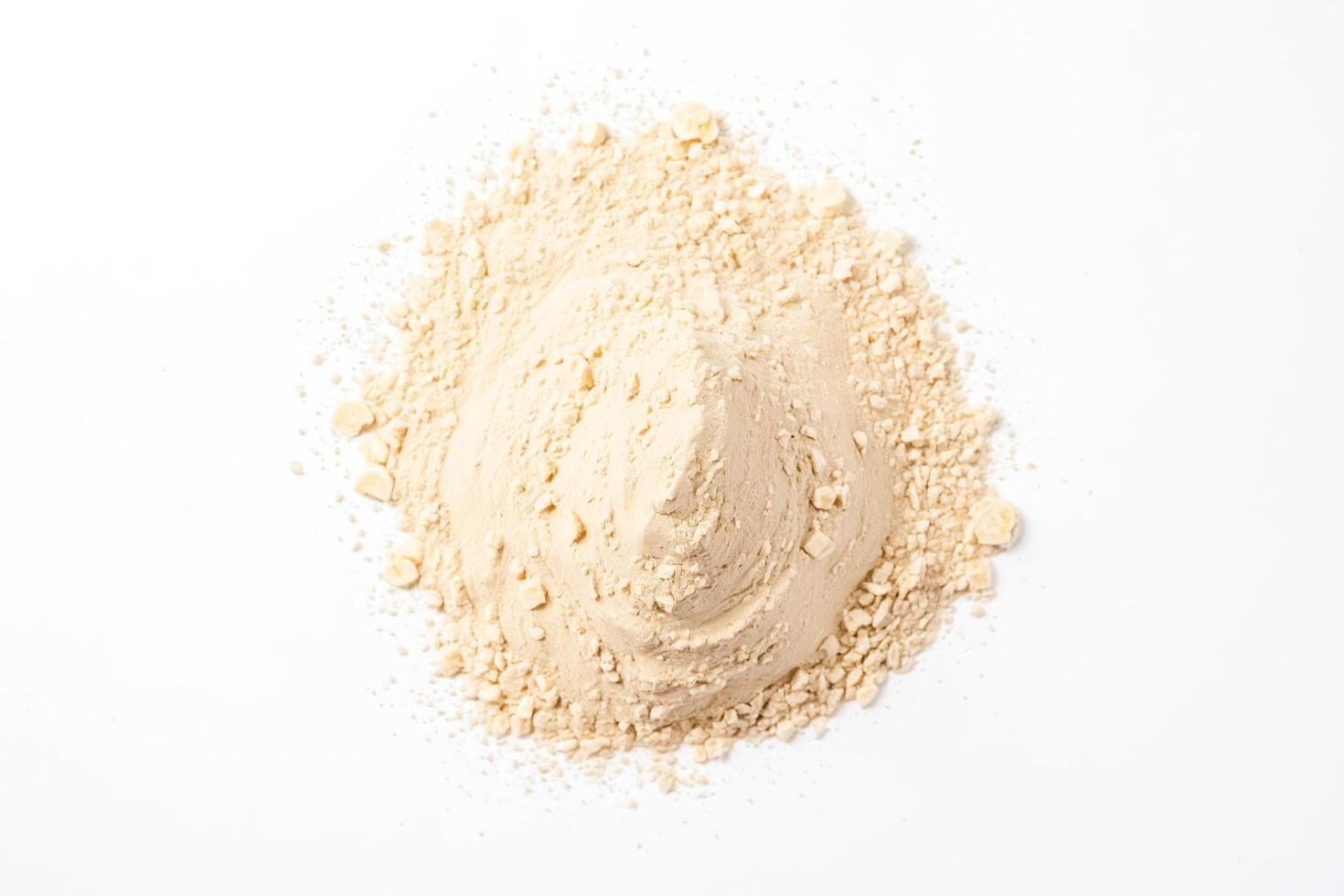
Hydrolyzed corn gluten is generally considered gluten-free, despite its name. This is because it is derived from corn, which does not contain the type of gluten that triggers reactions in people with celiac disease or gluten sensitivity.
Quick Tips
1Source of plant-based protein: It provides essential amino acids for muscle growth and repair.
2Low in fat: It can be a good protein option for those looking to maintain or lose weight.
3Gluten-free: Despite its name, corn gluten is safe for people with celiac disease or gluten sensitivity.
# In This Article
3 sectionsQuick navigation to each section of this article:
1 Benefits of Hydrolyzed Corn Gluten
Source of plant-based protein: It provides essential amino acids for muscle growth and repair.
Jump2 Who should avoid Hydrolyzed Corn Gluten
People with corn allergies: Hydrolyzed Corn Gluten is derived from corn and may trigger allergic reactions in those with corn allergies.
Jump3 Related Gluten Free products
Here are five similar gluten-free options to Hydrolyzed Corn Gluten, along with short descriptions:
JumpBenefits of Hydrolyzed Corn Gluten
| Benefits of Hydrolyzed Corn Gluten |
|---|
| Source of plant-based protein: It provides essential amino acids for muscle growth and repair. |
| Low in fat: It can be a good protein option for those looking to maintain or lose weight. |
| Gluten-free: Despite its name, corn gluten is safe for people with celiac disease or gluten sensitivity. |
| Rich in peptides: These may have antioxidant properties, potentially helping to reduce oxidative stress in the body. |
| May support heart health: Some studies suggest it could help lower blood pressure and improve cholesterol levels. |
| Potential prebiotic effects: It may support gut health by promoting the growth of beneficial bacteria. |
| Source of glutamine: This amino acid is important for immune function and intestinal health. |
| May aid in blood sugar regulation: Some research indicates it could help improve insulin sensitivity. |
| Supports muscle recovery: The amino acids in hydrolyzed corn gluten can aid in post-exercise recovery. |
| Hypoallergenic: It’s less likely to cause allergic reactions compared to some other protein sources.Note that while these benefits have been associated with hydrolyzed corn gluten, more research is needed to fully understand its effects on human health. Always consult with a healthcare professional before making significant changes to your diet. |
Who should avoid Hydrolyzed Corn Gluten
| Who should avoid Hydrolyzed Corn Gluten |
|---|
| People with corn allergies: Hydrolyzed Corn Gluten is derived from corn and may trigger allergic reactions in those with corn allergies. |
| Individuals with gluten sensitivity or celiac disease: While corn gluten is not the same as wheat gluten, some people may still react to it due to cross-reactivity or contamination concerns. |
| Those with digestive sensitivities: Some people may experience gastrointestinal discomfort when consuming corn-derived products. |
| Individuals following a grain-free diet: Corn is a grain, so those avoiding all grains should steer clear of Hydrolyzed Corn Gluten. |
| People with known sensitivities to MSG-like substances: Hydrolyzed proteins can sometimes have similar effects to MSG in sensitive individuals. |
| Those following specific religious or cultural dietary restrictions: Some diets may prohibit or limit corn consumption. |
| Individuals with autoimmune conditions: Some people with autoimmune disorders may choose to avoid corn products as part of their dietary management. |
| People following a low-carb or ketogenic diet: While Hydrolyzed Corn Gluten is primarily protein, it may still contain some carbohydrates. |
| Those with concerns about GMOs: If the corn source is not specified as non-GMO, individuals avoiding genetically modified organisms should be cautious.Always consult with a healthcare professional or registered dietitian for personalized advice regarding dietary restrictions or concerns. |
Related Gluten Free products
Here are five similar gluten-free options to Hydrolyzed Corn Gluten, along with short descriptions:
| Related Gluten Free products |
|---|
| Rice Protein:A hypoallergenic protein derived from rice, often used as a substitute for gluten-containing proteins in food products and supplements. It's easily digestible and provides a complete amino acid profile. |
| Pea Protein:Extracted from yellow split peas, this protein is highly digestible and rich in essential amino acids. It's commonly used in plant-based protein powders and as a meat substitute in various food products. |
| Soy Protein Isolate:A highly refined protein from soybeans, containing minimal carbohydrates and fats. It's widely used in processed foods, protein bars, and vegetarian meat alternatives due to its versatility and high protein content. |
| Potato Protein:Derived from potatoes, this protein is allergen-friendly and has a high biological value. It's often used in gluten-free baked goods, protein supplements, and as a functional ingredient in various food applications. |
| Sunflower Seed Protein:Extracted from sunflower seeds, this protein is rich in essential amino acids and has a neutral taste. It's becoming increasingly popular in plant-based products and as an alternative to soy or wheat-based proteins in various food formulations. |
Health Information
? Frequently Asked Questions
4 questions1 Is corn gluten OK for celiacs?
2 Can celiacs eat hydrolyzed wheat gluten?
3 Does hydrolyzed vegetable protein have gluten in it?
4 Is corn gluten the same as wheat gluten?
Our Expert
Drs. Ilse van Asperen
Orthomolecular Therapist, Nutritional Coach & Professional Editor
Drs. Ilse van Asperen is a medical doctor specialising in orthomolecular therapy and nutritional coaching. With a background in public and clinical health research and management, she focuses on addressing the root causes of health issues through diet, gut health, and stress reduction. As a professional editor for Little Helpers, she reviews all gluten-free content to ensure accuracy, safety, and scientific credibility. Read more on Drs. Ilse van Asperen's own website
Our Sources
The information on this page is based on reputable health and nutrition organisations, ensuring accuracy and reliability for anyone following a gluten-free diet. For further details, see the sources below.