Share
TL;DR
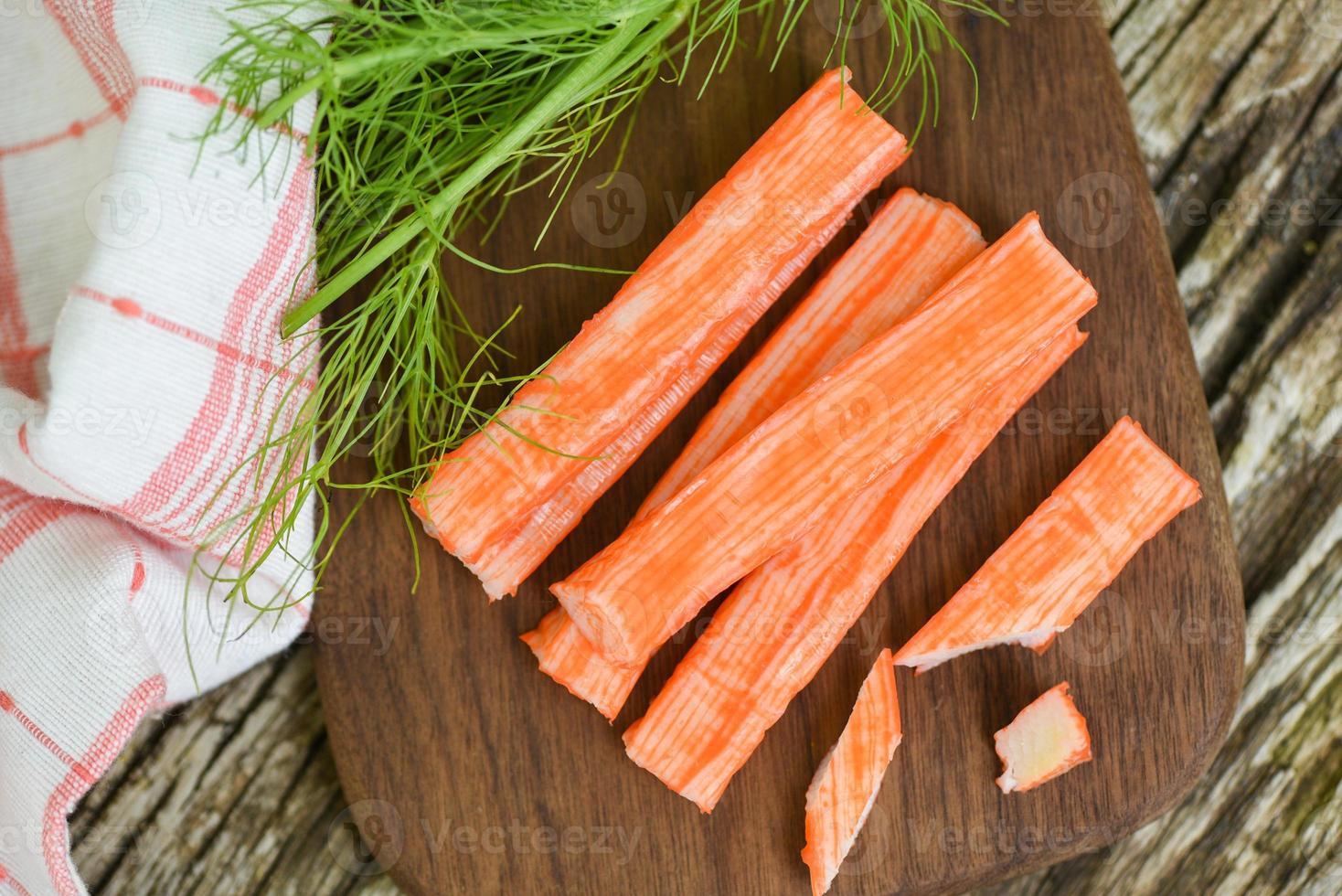
Imitation crab is typically not gluten-free, as it often contains wheat-based ingredients like wheat starch or wheat protein. However, some brands may offer gluten-free versions of imitation crab, so it’s important to carefully check the ingredient list or look for products specifically labeled as gluten-free.
Quick Tips
1Low in calories: Imitation crab is relatively low in calories, making it a good option for those watching their calorie intake.
2Low in fat: It contains very little fat, which can be beneficial for heart health and weight management.
3Good source of protein: Though not as high as real crab, it still provides some protein, which is essential for muscle maintenance and growth.
# In This Article
3 sectionsQuick navigation to each section of this article:
1 Benefits of Imitation Crab
Low in calories: Imitation crab is relatively low in calories, making it a good option for those watching their calorie intake.
Jump2 Who should avoid Imitation Crab
People with shellfish allergies: Although imitation crab doesn’t contain real crab meat, it often contains other types of fish and seafood proteins, which can trigger allergic reactions.
Jump3 Gluten Free Alternatives
Here are five gluten-free alternatives to imitation crab, along with short descriptions:
JumpBenefits of Imitation Crab
| Benefits of Imitation Crab |
|---|
| Low in calories: Imitation crab is relatively low in calories, making it a good option for those watching their calorie intake. |
| Low in fat: It contains very little fat, which can be beneficial for heart health and weight management. |
| Good source of protein: Though not as high as real crab, it still provides some protein, which is essential for muscle maintenance and growth. |
| Contains omega-3 fatty acids: Some brands fortify their products with omega-3s, which are beneficial for heart and brain health. |
| Source of phosphorus: Imitation crab contains phosphorus, which is important for bone health and cellular function. |
| Provides some B vitamins: It contains small amounts of B vitamins, which are important for energy metabolism. |
| Iodine content: As a seafood product, it may contain iodine, which is essential for thyroid function. |
| Convenience: Its ready-to-eat nature can make it easier to include seafood in your diet. |
| Mercury-free: Unlike some real seafood, imitation crab doesn’t contain mercury, making it safer for frequent consumption. |
| Affordable: It’s a more budget-friendly way to incorporate a seafood-like product into your diet.Remember that imitation crab is a processed food and may contain additives, so it’s important to consume it in moderation as part of a balanced diet. |
Who should avoid Imitation Crab
| Who should avoid Imitation Crab |
|---|
| People with shellfish allergies: Although imitation crab doesn’t contain real crab meat, it often contains other types of fish and seafood proteins, which can trigger allergic reactions. |
| Individuals with fish allergies: Imitation crab is typically made from white fish like pollock, which can cause reactions in those allergic to fish. |
| Those with soy allergies: Many imitation crab products contain soy as a binding agent or flavoring, which can be problematic for people with soy allergies. |
| People with gluten sensitivities or celiac disease: Some imitation crab products may contain wheat-based ingredients, making them unsuitable for those avoiding gluten. |
| Individuals on a low-sodium diet: Imitation crab often contains high levels of sodium, which may be inappropriate for those managing their salt intake. |
| People following kosher or halal diets: Imitation crab may not meet the requirements for these dietary restrictions. |
| Those seeking to avoid artificial additives: Imitation crab often contains artificial flavors, colors, and preservatives. |
| Individuals on low-carb or keto diets: Imitation crab typically contains added sugars and starches, making it higher in carbs than real crab. |
| Pregnant women: Due to the processing and potential for foodborne illness, some healthcare providers recommend avoiding imitation crab during pregnancy. |
| People looking for high-quality protein sources: Imitation crab is generally lower in protein and nutritional value compared to real crab or other whole foods. |
Gluten Free Alternatives
Here are five gluten-free alternatives to imitation crab, along with short descriptions:
| Gluten Free Alternatives |
|---|
| Hearts of Palm Seafood: Made from the inner core of palm trees, this plant-based alternative has a similar texture to crab meat and can be seasoned to mimic seafood flavors. It's low in calories and high in fiber. |
| Jackfruit: This tropical fruit has a meaty texture when young and can be shredded to resemble crab meat. It's often used in vegan recipes as a meat substitute and is rich in vitamins and minerals. |
| Artichoke Hearts: When chopped or shredded, artichoke hearts can provide a similar texture to crab meat. They have a mild flavor that can be enhanced with seafood seasonings and are high in antioxidants. |
| Zucchini "Crab" Cakes: Grated zucchini, when combined with eggs and gluten-free breadcrumbs, can create a crab cake-like texture. These are lower in calories than traditional crab cakes and offer additional vegetables to your diet. |
| Lion's Mane Mushroom: This unique mushroom has a stringy texture similar to crab meat when cooked and shredded. It has a mild seafood-like flavor naturally and is rich in nutrients and potential health benefits. |
Health Information
? Frequently Asked Questions
4 questions1 Can celiacs eat imitation crab?
2 Does imitation meat have gluten?
3 What is imitation crab made of?
4 What seafood is not gluten free?
Our Expert
Drs. Ilse van Asperen
Orthomolecular Therapist, Nutritional Coach & Professional Editor
Drs. Ilse van Asperen is a medical doctor specialising in orthomolecular therapy and nutritional coaching. With a background in public and clinical health research and management, she focuses on addressing the root causes of health issues through diet, gut health, and stress reduction. As a professional editor for Little Helpers, she reviews all gluten-free content to ensure accuracy, safety, and scientific credibility. Read more on Drs. Ilse van Asperen's own website
Our Sources
The information on this page is based on reputable health and nutrition organisations, ensuring accuracy and reliability for anyone following a gluten-free diet. For further details, see the sources below.