Share
TL;DR
Traditional injera bread made from teff flour is naturally gluten-free. However, some versions of injera may contain wheat or barley flour in addition to teff, which would make them not gluten-free, so it’s important to check the ingredients or preparation method if you have celiac disease or gluten sensitivity.
Quick Tips
1High in fiber: Aids digestion and promotes feelings of fullness
2Gluten-free: Suitable for those with celiac disease or gluten sensitivity (when made with teff)
3Rich in protein: Supports muscle growth and repair
# In This Article
3 sectionsQuick navigation to each section of this article:
1 Benefits of Injera Bread
High in fiber: Aids digestion and promotes feelings of fullness
Jump2 Who should avoid Injera Bread
People with celiac disease: Traditional Injera is made from teff, which is gluten-free, but some versions may contain wheat or barley, making them unsafe for those with celiac disease.
Jump3 Gluten Free Alternatives
Here are five gluten-free alternatives to Injera bread, along with short descriptions:
JumpBenefits of Injera Bread
| Benefits of Injera Bread |
|---|
| High in fiber: Aids digestion and promotes feelings of fullness |
| Gluten-free: Suitable for those with celiac disease or gluten sensitivity (when made with teff) |
| Rich in protein: Supports muscle growth and repair |
| Good source of iron: Important for blood health and oxygen transport |
| Contains calcium: Supports bone and teeth health |
| Low in fat: Beneficial for weight management and heart health |
| Rich in B vitamins: Supports energy metabolism and nervous system function |
| Contains resistant starch: May improve insulin sensitivity and gut health |
| Fermented food: May support gut microbiome and improve nutrient absorption |
| Source of complex carbohydrates: Provides sustained energy |
| Contains zinc: Important for immune function and wound healing |
| Rich in amino acids: Supports various bodily functions and protein synthesis |
| Antioxidant properties: May help protect cells from damage caused by free radicalsNote that the exact nutritional profile can vary depending on the grains used (traditionally teff, but sometimes mixed with other grains) and the fermentation process. |
Who should avoid Injera Bread
| Who should avoid Injera Bread |
|---|
| People with celiac disease: Traditional Injera is made from teff, which is gluten-free, but some versions may contain wheat or barley, making them unsafe for those with celiac disease. |
| Individuals with gluten sensitivity: Even though teff is gluten-free, those with non-celiac gluten sensitivity should be cautious, as cross-contamination can occur during processing. |
| People on a low-carb diet: Injera is high in carbohydrates, so it may not be suitable for those following strict low-carb diets. |
| Individuals with yeast allergies: Injera is fermented using wild yeast, which could cause reactions in people with yeast allergies. |
| Those with FODMAP sensitivities: The fermentation process in Injera may produce FODMAPs, which could be problematic for some people with IBS or other digestive issues. |
| People with diabetes: Due to its high carbohydrate content, diabetics should monitor their intake and consider the impact on blood sugar levels. |
| Individuals with iron overload disorders: Teff is high in iron, which could be an issue for people with hemochromatosis or other iron absorption disorders. |
| Those on a low-calorie diet: Injera is relatively calorie-dense, so it may not fit well into very low-calorie meal plans. |
| People with specific grain allergies: Although rare, some individuals may have allergies to teff or other grains used in Injera.Always consult with a healthcare professional or registered dietitian if you have concerns about including Injera in your diet. |
Gluten Free Alternatives
Here are five gluten-free alternatives to Injera bread, along with short descriptions:
| Gluten Free Alternatives |
|---|
| Teff Flour Crepes:Thin, flexible pancakes made from pure teff flour, which is naturally gluten-free. These crepes mimic the texture of injera and can be used similarly for scooping up stews and sauces. |
| Chickpea Flatbread:Also known as socca, this flatbread is made from chickpea flour and water. It has a slightly nutty flavor and can be made thin enough to resemble injera's flexibility. |
| Cassava Flatbread:Made from cassava flour, this flatbread is stretchy and pliable, making it a good substitute for injera. It has a neutral flavor that pairs well with various dishes. |
| Buckwheat Pancakes:Despite its name, buckwheat is gluten-free and can be used to make thin, slightly sour pancakes that can serve as an injera alternative. They have a distinctive earthy flavor. |
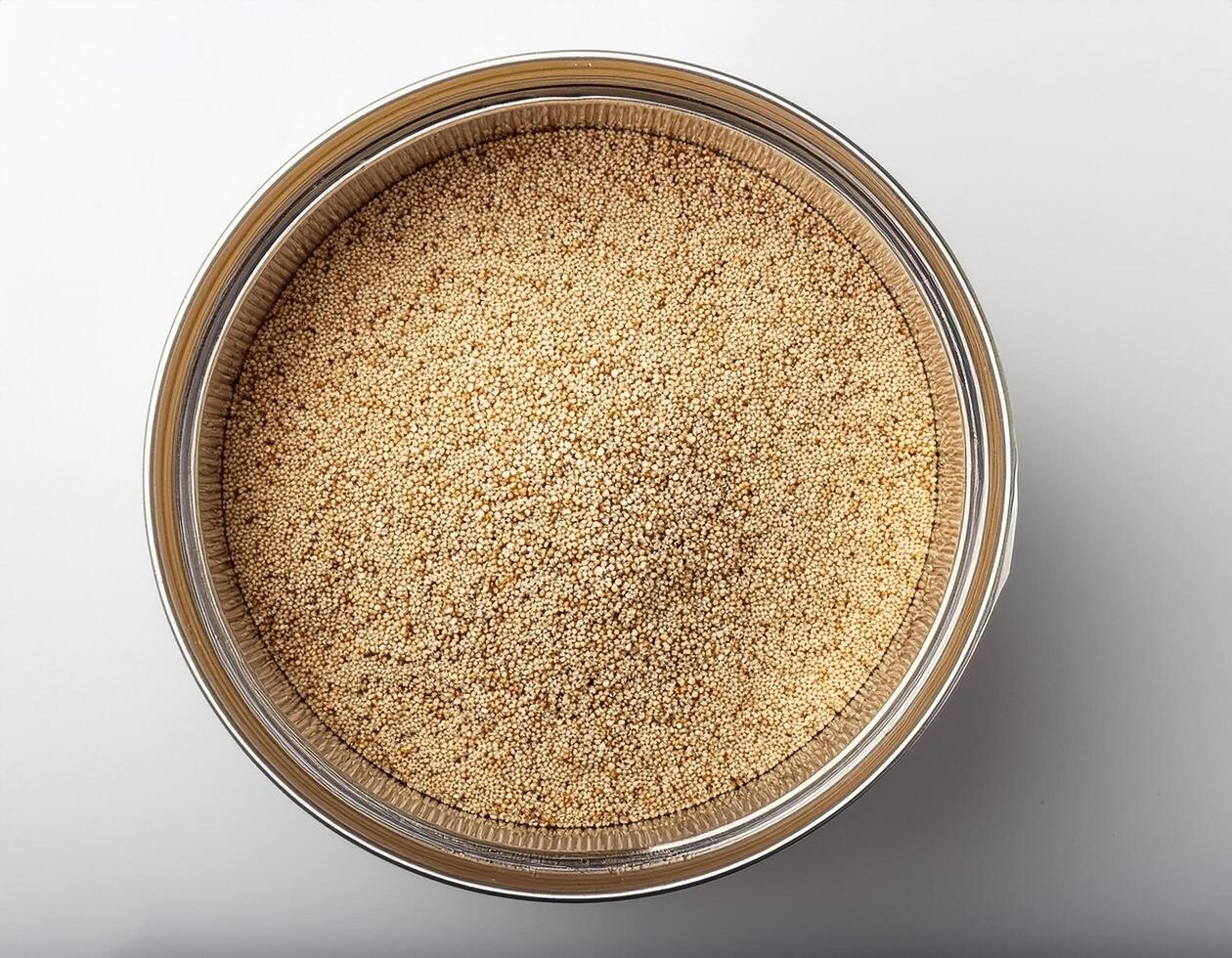
| Amaranth and Sorghum Flatbread:A combination of amaranth and sorghum flours can create a flatbread with a texture similar to injera. Both grains are gluten-free and provide a good nutritional profile. |
Health Information
? Frequently Asked Questions
4 questions1 How much gluten is in injera?
2 Is Ethiopian teff gluten-free?
3 What is injera bread made of?
4 What Ethiopian dishes are gluten-free?
Our Expert
Drs. Ilse van Asperen
Orthomolecular Therapist, Nutritional Coach & Professional Editor
Drs. Ilse van Asperen is a medical doctor specialising in orthomolecular therapy and nutritional coaching. With a background in public and clinical health research and management, she focuses on addressing the root causes of health issues through diet, gut health, and stress reduction. As a professional editor for Little Helpers, she reviews all gluten-free content to ensure accuracy, safety, and scientific credibility. Read more on Drs. Ilse van Asperen's own website
Our Sources
The information on this page is based on reputable health and nutrition organisations, ensuring accuracy and reliability for anyone following a gluten-free diet. For further details, see the sources below.