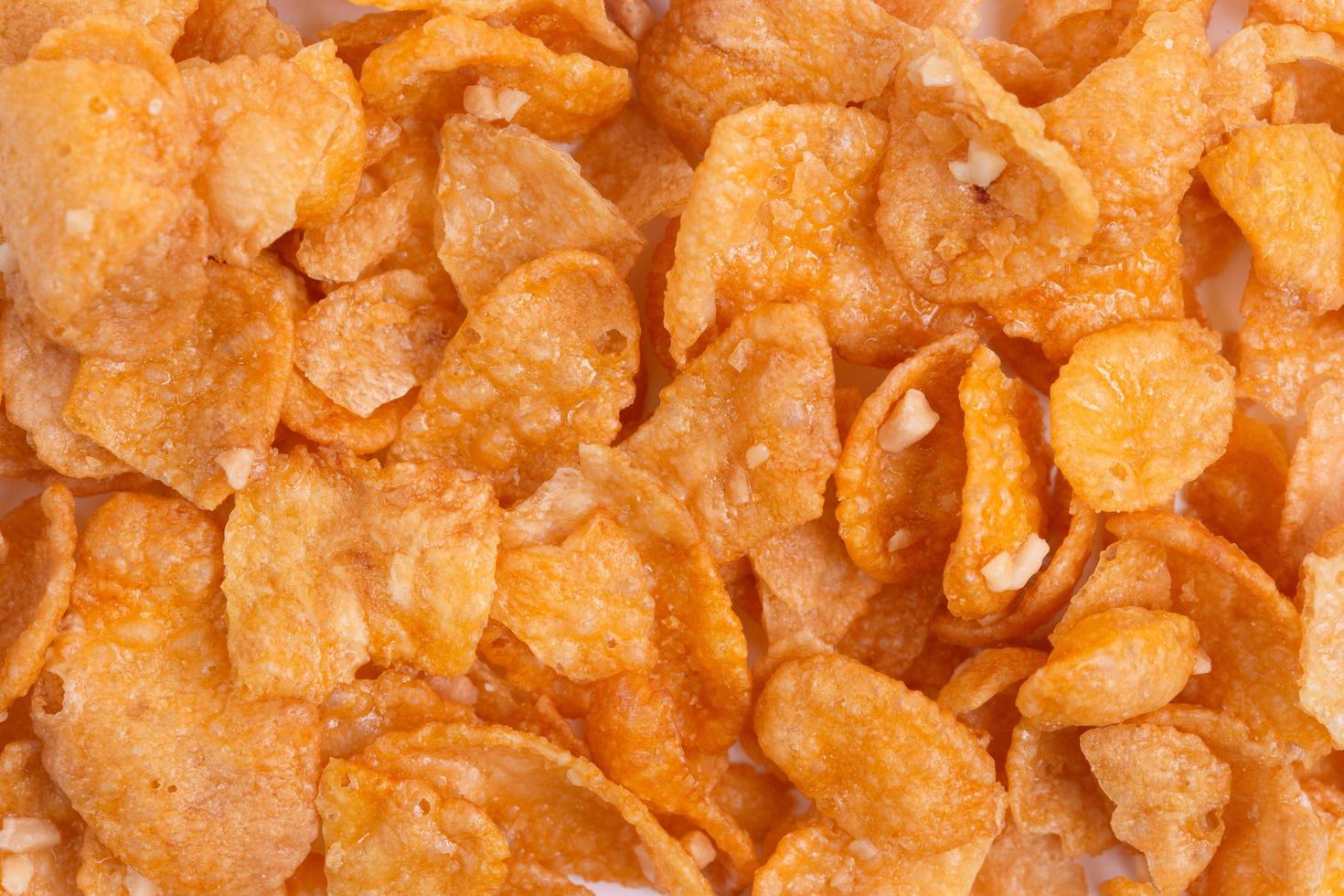
Is Kellogg’S Corn Flakes Gluten Free?

Is Kellogg’S Corn Flakes Gluten Free?

Kellogg’s Corn Flakes are not certified gluten-free. While the main ingredient is corn, which is naturally gluten-free, the cereal contains malt flavoring derived from barley, which contains gluten.

TL;DR

Kellogg’s Corn Flakes are not certified gluten-free. While the main ingredient is corn, which is naturally gluten-free, the cereal contains malt flavoring derived from barley, which contains gluten.

Quick Tips

1

Low in fat: Corn Flakes are generally low in fat, which can be beneficial for those watching their fat intake.

2

Fortified with vitamins and minerals: Many varieties are fortified with essential nutrients like iron, B vitamins, and folate.

3

Good source of carbohydrates: Provides a quick source of energy, especially when consumed for breakfast.

# In This Article

3 sections

Quick navigation to each section of this article:

1 Benefits of Kellogg'S Corn Flakes

Low in fat: Corn Flakes are generally low in fat, which can be beneficial for those watching their fat intake.

Jump
2 Who should avoid Kellogg'S Corn Flakes

People with celiac disease or gluten sensitivity: Although corn is naturally gluten-free, some varieties of Corn Flakes may contain barley malt extract, which contains gluten.

Jump
3 Gluten Free Alternatives

Here are five gluten-free alternatives to Kellogg's Corn Flakes, along with short descriptions:

Jump

Benefits of Kellogg'S Corn Flakes

Benefits of Kellogg'S Corn Flakes
Low in fat: Corn Flakes are generally low in fat, which can be beneficial for those watching their fat intake.
Fortified with vitamins and minerals: Many varieties are fortified with essential nutrients like iron, B vitamins, and folate.
Good source of carbohydrates: Provides a quick source of energy, especially when consumed for breakfast.
Low in calories: Can be a part of a calorie-controlled diet when consumed in appropriate portions.
Contains fiber: Although not high in fiber, it does provide some dietary fiber, which is important for digestive health.
May help with weight management: When consumed as part of a balanced diet, it can be a lower-calorie breakfast option.
Convenient and quick: Easy to prepare, making it a practical choice for busy mornings.
Versatile: Can be combined with fruits, nuts, or milk to increase nutritional value.
May help reduce cholesterol: Some studies suggest that corn-based cereals may help lower cholesterol levels.
Gluten-free option available: Kellogg’s offers a gluten-free version for those with gluten sensitivities or celiac disease.Remember, while Corn Flakes can be part of a healthy diet, they should be consumed in moderation as part of a balanced eating plan. The health benefits can vary depending on individual dietary needs and how the cereal is consumed.

Who should avoid Kellogg'S Corn Flakes

Who should avoid Kellogg'S Corn Flakes
People with celiac disease or gluten sensitivity: Although corn is naturally gluten-free, some varieties of Corn Flakes may contain barley malt extract, which contains gluten.
Individuals with corn allergies or intolerances: As the main ingredient is corn, those with corn-related sensitivities should avoid the product.
People following a low-sugar diet: Corn Flakes contain added sugars, which may not be suitable for those managing their sugar intake.
Individuals with diabetes: The high glycemic index of Corn Flakes can cause rapid spikes in blood sugar levels.
Those on a low-carb or ketogenic diet: Corn Flakes are high in carbohydrates and may not fit within these dietary restrictions.
People with certain vitamin or mineral sensitivities: Corn Flakes are often fortified with various vitamins and minerals, which may be problematic for some individuals.
Those avoiding genetically modified organisms (GMOs): Some consumers prefer to avoid GMO products, and corn is often genetically modified.
Individuals with specific religious or cultural dietary restrictions: Some people may avoid Corn Flakes due to ingredients or processing methods that conflict with their beliefs.
People with phenylketonuria (PKU): Corn Flakes may contain aspartame, which contains phenylalanine and should be avoided by those with PKU.Always consult with a healthcare professional or registered dietitian for personalized advice regarding dietary restrictions or concerns.
ENJOY YOUR FAVORITE FOODS FEARLESSLY!
Don’t let gluten hold you back. Take Anti-Gluten Pills before your meal and enjoy peace of mind.
SHOP ANTI-GLUTEN PILLS
Clinically proven · Up to 86% gluten reduction · Fast acting

Gluten Free Alternatives

Here are five gluten-free alternatives to Kellogg's Corn Flakes, along with short descriptions:

Gluten Free Alternatives
Nature's Path Organic Corn Flakes: Made with organic corn and sweetened with fruit juice, these corn flakes offer a crispy texture and natural flavor without artificial additives.
Erewhon Corn Flakes: These corn flakes are made with organic corn and are free from added sugars, providing a pure corn taste for those who prefer less sweetness in their cereal.
Barbara's Organic Corn Flakes: Certified organic and non-GMO, these corn flakes are lightly sweetened with organic fruit juice and offer a satisfying crunch.
Envirokidz Amazon Flakes: Made with organic corn and a touch of organic cane sugar, these flakes are not only gluten-free but also support wildlife conservation efforts.
Glutino Gluten Free Corn Flakes: Specifically designed for those with celiac disease or gluten sensitivity, these corn flakes provide a classic taste and texture while ensuring strict gluten-free standards.Each of these alternatives offers a gluten-free option for those who need or prefer to avoid gluten while still enjoying a corn flake cereal experience.

Health Information

? Frequently Asked Questions

4 questions
1 Do Kellogg's corn flakes contain gluten?
Kellogg's corn flakes are made from corn, which is gluten-free; however, they may be processed in facilities that handle gluten-containing grains. Cross-contamination can occur, so it's advisable to check for gluten-free labeling.
2 Which Kellogg cereals are gluten-free?
Several Kellogg's cereals are gluten-free options. These include Rice Krispies, Corn Flakes, and Frosted Flakes. Kellogg's also offers gluten-free versions of some popular cereals like Special K and Fruit Loops. It's important to always check the packaging for the gluten-free label, as manufacturing processes can change.
3 What cereals are actually gluten-free?
Many popular cereals are naturally gluten-free, including rice-based cereals, corn-based cereals, and those made from quinoa or buckwheat. Some well-known gluten-free options include Rice Krispies, Corn Flakes, and Chex (except for Wheat Chex). Oats are inherently gluten-free, but may be contaminated during processing, so look for certified gluten-free oat cereals. Always check labels carefully, as ingredients and manufacturing processes can change.
4 Which brands of cornflakes are gluten-free?
Several major brands offer gluten-free cornflakes options. Kellogg's now produces gluten-free Corn Flakes made with 100% corn. Nature's Path and Erewhon both make organic, gluten-free corn flake cereals. Many store brands and smaller companies also offer gluten-free cornflakes, so it's worth checking labels at your local grocery store.
LIVE GLUTEN-FREE WITHOUT THE FUSS!
Introducing Tolerase® G, clinically proven to reduce up to 86% of gluten in under 10 minutes. Experience the freedom to eat what you love.
SHOP ANTI-GLUTEN PILLS
150mg pure Tolerase® G · Reduces gluten by 86% · Under 10 minutes

Our Expert

Drs. Ilse van Asperen, Orthomolecular Therapist and Nutritional Coach

Drs. Ilse van Asperen

Orthomolecular Therapist, Nutritional Coach & Professional Editor

Drs. Ilse van Asperen is a medical doctor specialising in orthomolecular therapy and nutritional coaching. With a background in public and clinical health research and management, she focuses on addressing the root causes of health issues through diet, gut health, and stress reduction. As a professional editor for Little Helpers, she reviews all gluten-free content to ensure accuracy, safety, and scientific credibility. Read more on Drs. Ilse van Asperen's own website

Our Sources

The information on this page is based on reputable health and nutrition organisations, ensuring accuracy and reliability for anyone following a gluten-free diet. For further details, see the sources below.

Sources

Similar Articles

Back to blog