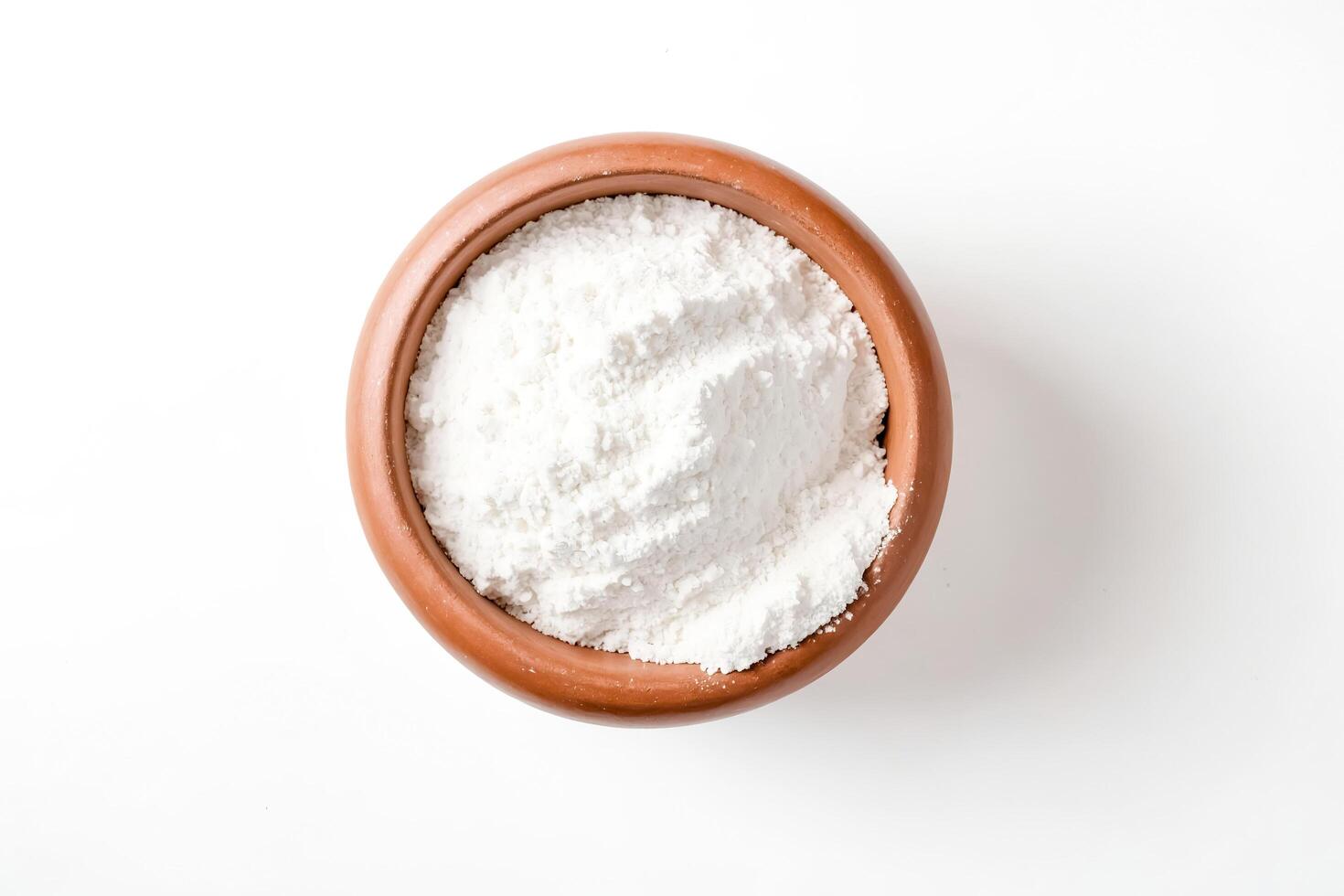
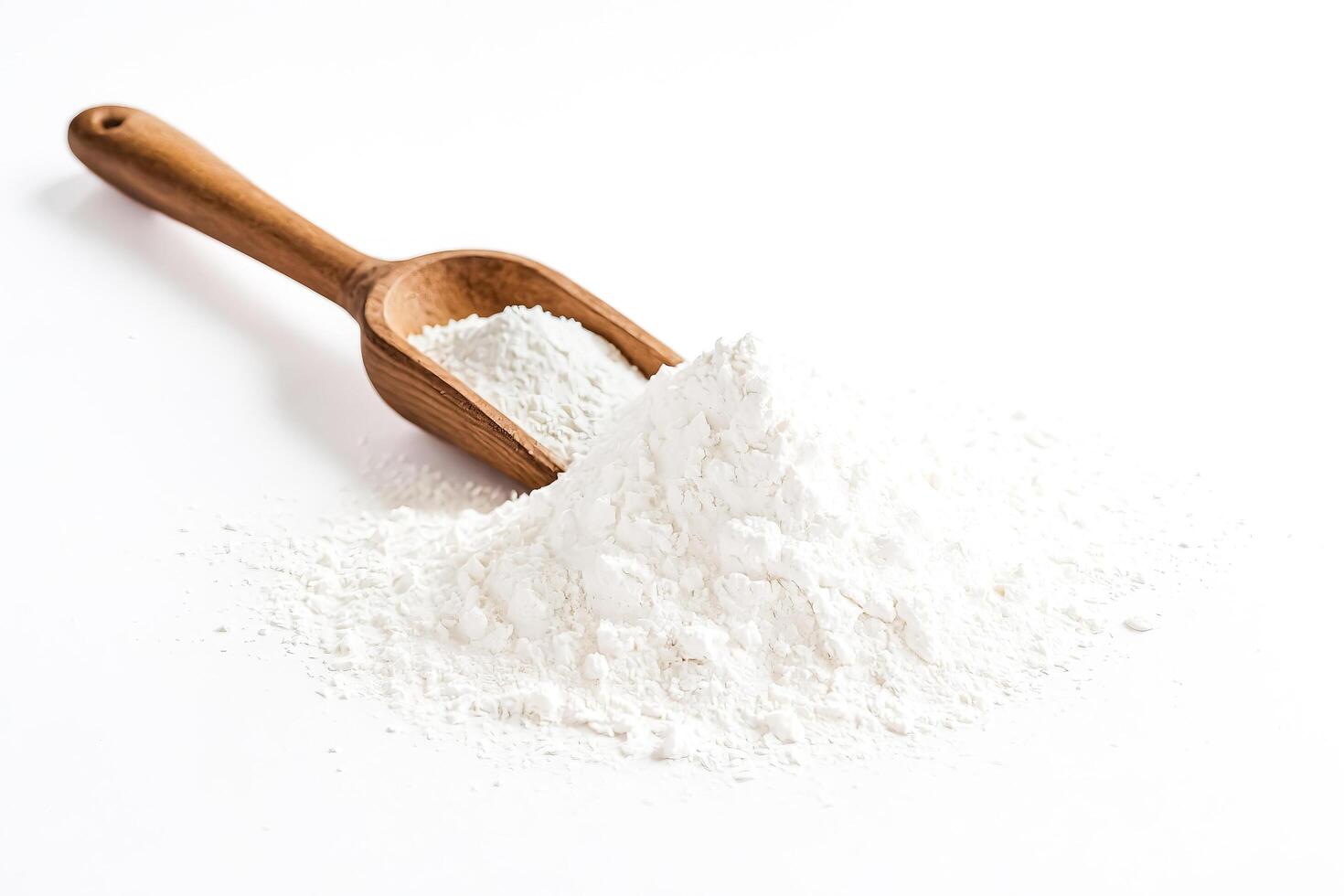
Is Maize Starch Gluten Free?

Is Maize Starch Gluten Free?

Yes, maize starch (corn starch) is naturally gluten-free. It is derived from corn, which does not contain gluten, making it a safe option for people with celiac disease or gluten sensitivity.

TL;DR

Yes, maize starch (corn starch) is naturally gluten-free. It is derived from corn, which does not contain gluten, making it a safe option for people with celiac disease or gluten sensitivity.

Quick Tips

1

Low in calories: Maize starch is a good option for those watching their calorie intake.

2

Gluten-free: It’s a safe alternative for people with celiac disease or gluten sensitivity.

3

Digestive health: As a resistant starch, it can act as a prebiotic, promoting beneficial gut bacteria.

# In This Article

3 sections

Quick navigation to each section of this article:

1 Benefits of Maize Starch

Low in calories: Maize starch is a good option for those watching their calorie intake.

Jump
2 Who should avoid Maize Starch

People with corn allergies: Individuals allergic to corn should avoid maize starch as it is derived from corn.

Jump
3 Related Gluten Free Products

Here are five similar gluten-free options to Maize Starch, along with short descriptions:

Jump

Benefits of Maize Starch

Benefits of Maize Starch
Low in calories: Maize starch is a good option for those watching their calorie intake.
Gluten-free: It’s a safe alternative for people with celiac disease or gluten sensitivity.
Digestive health: As a resistant starch, it can act as a prebiotic, promoting beneficial gut bacteria.
Blood sugar management: It has a lower glycemic index compared to some other starches, potentially helping to regulate blood sugar levels.
Weight management: The resistant starch content can increase feelings of fullness, potentially aiding in weight control.
Colon health: Fermentation of resistant starch in the colon may help reduce the risk of colon cancer.
Energy source: It provides a steady source of energy due to its complex carbohydrate content.
Mineral absorption: May enhance the absorption of minerals like calcium and magnesium.
Cholesterol management: Some studies suggest it may help lower bad cholesterol levels.
Antioxidant properties: Contains some antioxidants that can help protect cells from damage.Remember, while these potential benefits exist, maize starch should be consumed as part of a balanced diet, and individual responses may vary.

Who should avoid Maize Starch

Who should avoid Maize Starch
People with corn allergies: Individuals allergic to corn should avoid maize starch as it is derived from corn.
Those with celiac disease or gluten sensitivity: While maize starch is naturally gluten-free, some products may be cross-contaminated during processing. Always check labels for gluten-free certification.
Individuals with diabetes: Maize starch can cause rapid spikes in blood sugar levels, so people with diabetes should consume it in moderation and under medical supervision.
People following a low-carb diet: Maize starch is high in carbohydrates, so those on low-carb diets may need to avoid or limit its consumption.
Individuals with digestive sensitivities: Some people may experience bloating, gas, or other digestive issues when consuming maize starch.
Those with a genetic predisposition to corn intolerance: Some individuals may have difficulty digesting corn products, including maize starch.
People with certain metabolic disorders: Individuals with glycogen storage diseases or other metabolic disorders may need to limit their intake of maize starch.
Those trying to lose weight: Maize starch is calorie-dense and may contribute to weight gain if consumed in large quantities.Always consult with a healthcare professional or registered dietitian if you have concerns about consuming maize starch or any other food product.
ENJOY YOUR FAVORITE FOODS FEARLESSLY!
Don’t let gluten hold you back. Take Anti-Gluten Pills before your meal and enjoy peace of mind.
SHOP ANTI-GLUTEN PILLS
Clinically proven · Up to 86% gluten reduction · Fast acting

Here are five similar gluten-free options to Maize Starch, along with short descriptions:

Related Gluten Free Products
Tapioca Starch:Derived from the cassava root, tapioca starch is a smooth, white powder. It adds chewiness to baked goods and can be used as a thickener. Tapioca starch is known for its ability to create a crisp outer layer in fried foods.
Arrowroot Starch:Extracted from tropical plants, arrowroot starch is a fine, flavorless powder. It's an excellent thickener for sauces and gravies, as it creates a clear, glossy finish. Arrowroot also works well in gluten-free baking to improve texture.
Rice Starch:Made from finely ground rice, this starch is often used in gluten-free baking and as a thickener. It has a smooth texture and neutral taste, making it versatile in both sweet and savory applications. Rice starch can help improve the texture of gluten-free breads and pastries.
Sweet Potato Starch:Extracted from sweet potatoes, this starch is slightly sweet and has a subtle flavor. It's commonly used in Asian cuisine and works well as a thickener for soups and sauces. In baking, sweet potato starch can add moisture and improve the texture of gluten-free goods.

Health Information

? Frequently Asked Questions

4 questions
1 Is there gluten in maize starch?
Maize starch is naturally gluten-free. It is derived from corn, which does not contain gluten. However, there is a small risk of cross-contamination during processing if the same facilities are used for gluten-containing grains. To be certain, look for maize starch that is labeled as certified gluten-free.
2 What is maize starch made of?
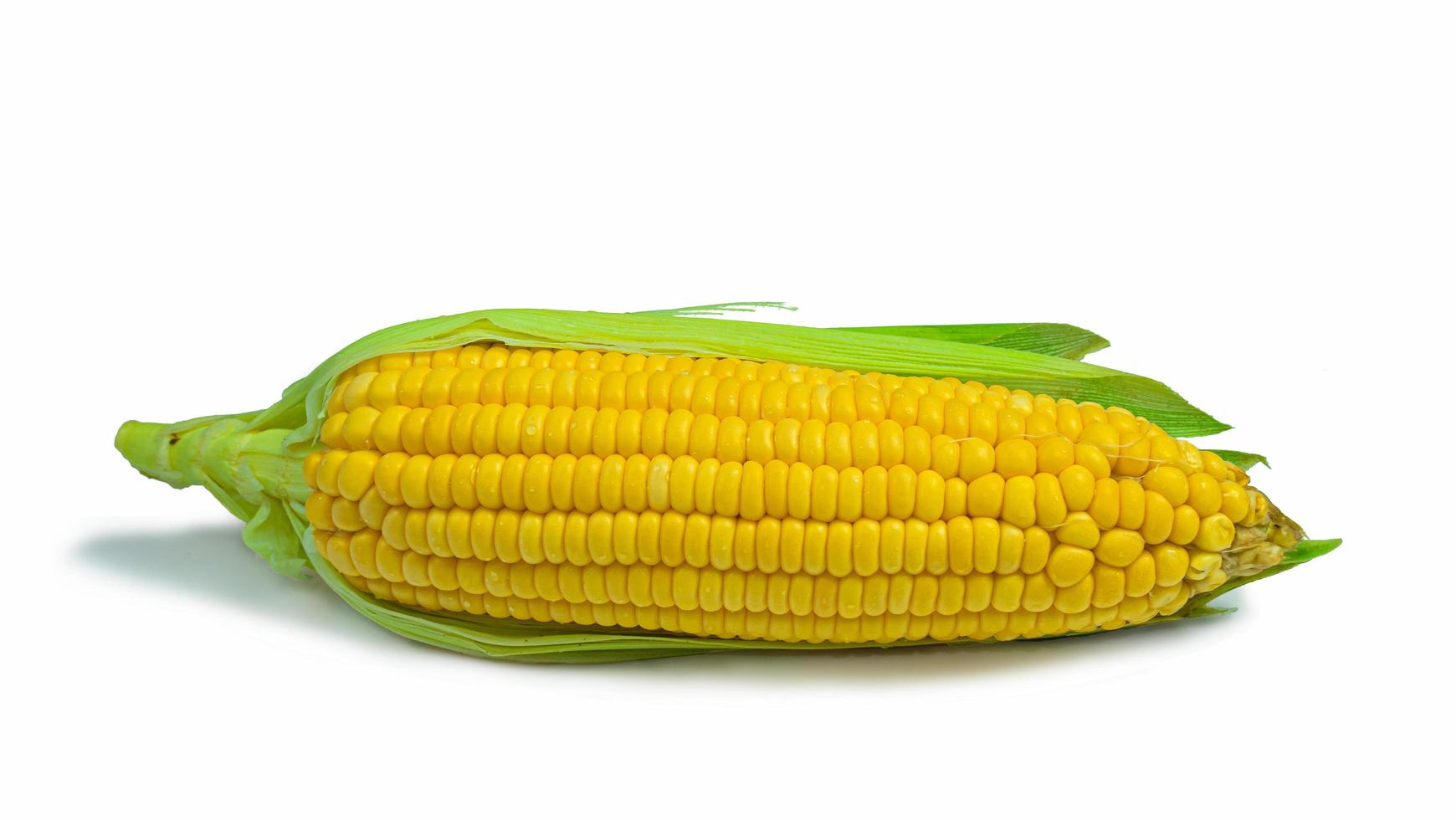
Maize starch is made from corn kernels. The kernels are processed to extract and isolate the starch component. This starch is primarily composed of amylose and amylopectin, which are both types of complex carbohydrates. The resulting maize starch is a fine, white powder that is widely used in food production and various industrial applications.
3 Can celiacs eat maize thickener?
Yes, celiacs can generally eat maize thickener. Maize, also known as corn, is naturally gluten-free and safe for people with celiac disease. However, it's important to ensure the maize thickener is not contaminated with gluten during processing or packaging. Always check product labels and choose certified gluten-free options when possible.
4 Can celiacs eat modified corn starch?
Celiac disease requires strict avoidance of gluten. Modified corn starch is generally considered gluten-free and safe for celiacs to consume. However, there's a small risk of cross-contamination during manufacturing. It's best for celiacs to check product labels and contact manufacturers if unsure about the safety of a specific modified corn starch product.
LIVE GLUTEN-FREE WITHOUT THE FUSS!
Introducing Tolerase® G, clinically proven to reduce up to 86% of gluten in under 10 minutes. Experience the freedom to eat what you love.
SHOP ANTI-GLUTEN PILLS
150mg pure Tolerase® G · Reduces gluten by 86% · Under 10 minutes

Our Expert

Drs. Ilse van Asperen, Orthomolecular Therapist and Nutritional Coach

Drs. Ilse van Asperen

Orthomolecular Therapist, Nutritional Coach & Professional Editor

Drs. Ilse van Asperen is a medical doctor specialising in orthomolecular therapy and nutritional coaching. With a background in public and clinical health research and management, she focuses on addressing the root causes of health issues through diet, gut health, and stress reduction. As a professional editor for Little Helpers, she reviews all gluten-free content to ensure accuracy, safety, and scientific credibility. Read more on Drs. Ilse van Asperen's own website

Our Sources

The information on this page is based on reputable health and nutrition organisations, ensuring accuracy and reliability for anyone following a gluten-free diet. For further details, see the sources below.
Sources

Similar Articles

Back to blog