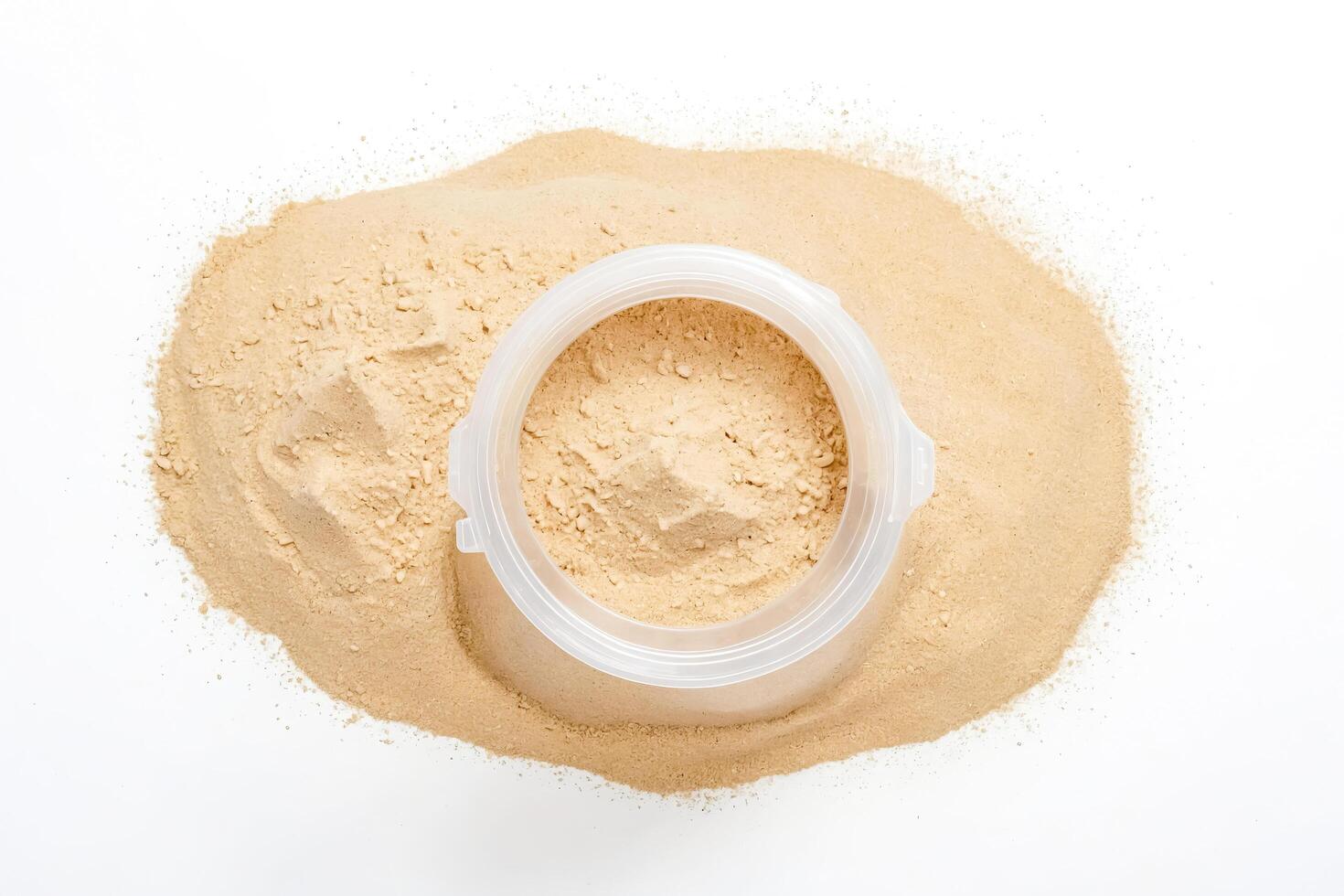
Is Malt Flavor Gluten Free?

Is Malt Flavor Gluten Free?

Malt flavor is typically not gluten-free as it is usually derived from barley, which contains gluten. However, there are some gluten-free malt flavor alternatives made from corn or other gluten-free grains, so it’s important to check the specific product or ingredient list if you require a gluten-free option.

TL;DR

Malt flavor is typically not gluten-free as it is usually derived from barley, which contains gluten. However, there are some gluten-free malt flavor alternatives made from corn or other gluten-free grains, so it’s important to check the specific product or ingredient list if you require a gluten-free option.

Quick Tips

1

Source of B vitamins, including thiamin, riboflavin, and niacin

2

Contains minerals such as iron, magnesium, and selenium

3

Provides some dietary fiber

# In This Article

3 sections

Quick navigation to each section of this article:

1 Benefits of Malt Flavor

Source of B vitamins, including thiamin, riboflavin, and niacin

Jump
2 Who should avoid Malt Flavor

People with celiac disease or non-celiac gluten sensitivity, as malt is typically derived from barley, which contains gluten

Jump
3 Gluten Free Alternatives

Here are five gluten-free alternatives to Malt Flavor, along with short descriptions:

Jump

Benefits of Malt Flavor

Benefits of Malt Flavor
Source of B vitamins, including thiamin, riboflavin, and niacin
Contains minerals such as iron, magnesium, and selenium
Provides some dietary fiber
Contains antioxidants, particularly ferulic acid
May support digestive health due to prebiotic properties
Can be a good source of complex carbohydrates for energy
May help in regulating blood sugar levels due to its low glycemic index
Contains some protein, which is essential for various bodily functions
May support bone health due to its calcium and phosphorus content
Can contribute to feelings of fullness, potentially aiding in weight managementIt’s important to note that these benefits are primarily associated with whole malted grains rather than malt flavoring alone. The health impacts can vary depending on how the malt is processed and consumed.

Who should avoid Malt Flavor

Who should avoid Malt Flavor
People with celiac disease or non-celiac gluten sensitivity, as malt is typically derived from barley, which contains gluten
Individuals with a wheat allergy, as some malt products may contain wheat
Those with a barley allergy or intolerance
People following a strict gluten-free diet for medical reasons
Individuals with malt allergy or intolerance
Those on a low-carbohydrate or ketogenic diet, as malt is high in carbohydrates
Diabetics who need to carefully monitor their carbohydrate intake, as malt can affect blood sugar levels
People with phenylketonuria (PKU), as malt contains phenylalanine
Individuals following a paleo or grain-free diet
Those trying to avoid added sugars, as malt is often used as a sweetener
People with certain digestive disorders who are sensitive to fermentable carbohydrates (FODMAPs)
Individuals following a low-calorie diet, as malt is calorie-denseRemember, it’s always best to consult with a healthcare professional or registered dietitian for personalized advice regarding dietary restrictions or concerns.
ENJOY YOUR FAVORITE FOODS FEARLESSLY!
Don’t let gluten hold you back. Take Anti-Gluten Pills before your meal and enjoy peace of mind.
SHOP ANTI-GLUTEN PILLS
Clinically proven · Up to 86% gluten reduction · Fast acting

Gluten Free Alternatives

Here are five gluten-free alternatives to Malt Flavor, along with short descriptions:

Gluten Free Alternatives
Chicory Root Extract:A natural, caffeine-free flavoring derived from the chicory plant. It offers a slightly bitter, roasted flavor similar to coffee and can add depth to various foods and beverages.
Carob Powder:Made from the pods of the carob tree, this sweet powder has a flavor reminiscent of chocolate. It can be used to add a rich, malty taste to baked goods and beverages without gluten.
Coconut Aminos:A savory sauce made from coconut sap, it provides a umami flavor similar to soy sauce but with a slightly sweeter profile. It can be used to add depth and complexity to dishes requiring a malty taste.
Molasses:A thick, dark syrup produced during sugar refining. It offers a rich, complex sweetness with slight bitter notes, making it a good substitute for malt flavor in baking and cooking.
Gluten-Free Brewers Yeast:A deactivated yeast that imparts a nutty, slightly bitter flavor similar to malt. It's rich in nutrients and can be used to add depth to savory dishes or as a flavoring in gluten-free beer alternatives.

Health Information

? Frequently Asked Questions

4 questions
1 How much gluten is in malt flavor?
The amount of gluten in malt flavor can vary. Generally, malt flavor derived from barley contains gluten. However, the exact gluten content depends on the specific processing methods used. For those with gluten sensitivities or celiac disease, it's best to avoid malt flavor unless it's specifically labeled gluten-free.
2 Is the malt flavor in rice krispies gluten-free?
The malt flavor in traditional Rice Krispies is not gluten-free. It is derived from barley malt, which contains gluten. However, Kellogg's now offers a gluten-free version of Rice Krispies that does not contain malt flavoring. For those with gluten sensitivities or celiac disease, it's important to specifically choose the gluten-free variety.
3 Why is malt flavor not gluten-free?
Malt flavor is not gluten-free because it is typically derived from barley, which contains gluten. During the malting process, barley grains are germinated and then dried, which concentrates the gluten proteins. These gluten proteins remain present in the resulting malt flavoring. Therefore, individuals with celiac disease or gluten sensitivity should avoid products containing malt flavor.
4 Can celiacs eat barley malt flavouring?
Barley malt flavoring is generally not considered safe for people with celiac disease. It is derived from barley, which contains gluten, a protein that celiacs must avoid. While the processing of barley malt flavoring may reduce gluten content, it is not guaranteed to be gluten-free. Celiacs should exercise caution and avoid products containing barley malt flavoring unless they are specifically labeled as gluten-free.
LIVE GLUTEN-FREE WITHOUT THE FUSS!
Introducing Tolerase® G, clinically proven to reduce up to 86% of gluten in under 10 minutes. Experience the freedom to eat what you love.
SHOP ANTI-GLUTEN PILLS
150mg pure Tolerase® G · Reduces gluten by 86% · Under 10 minutes

Our Expert

Drs. Ilse van Asperen, Orthomolecular Therapist and Nutritional Coach

Drs. Ilse van Asperen

Orthomolecular Therapist, Nutritional Coach & Professional Editor

Drs. Ilse van Asperen is a medical doctor specialising in orthomolecular therapy and nutritional coaching. With a background in public and clinical health research and management, she focuses on addressing the root causes of health issues through diet, gut health, and stress reduction. As a professional editor for Little Helpers, she reviews all gluten-free content to ensure accuracy, safety, and scientific credibility. Read more on Drs. Ilse van Asperen's own website

Our Sources

The information on this page is based on reputable health and nutrition organisations, ensuring accuracy and reliability for anyone following a gluten-free diet. For further details, see the sources below.
Sources

Similar Articles

Back to blog