Share
TL;DR
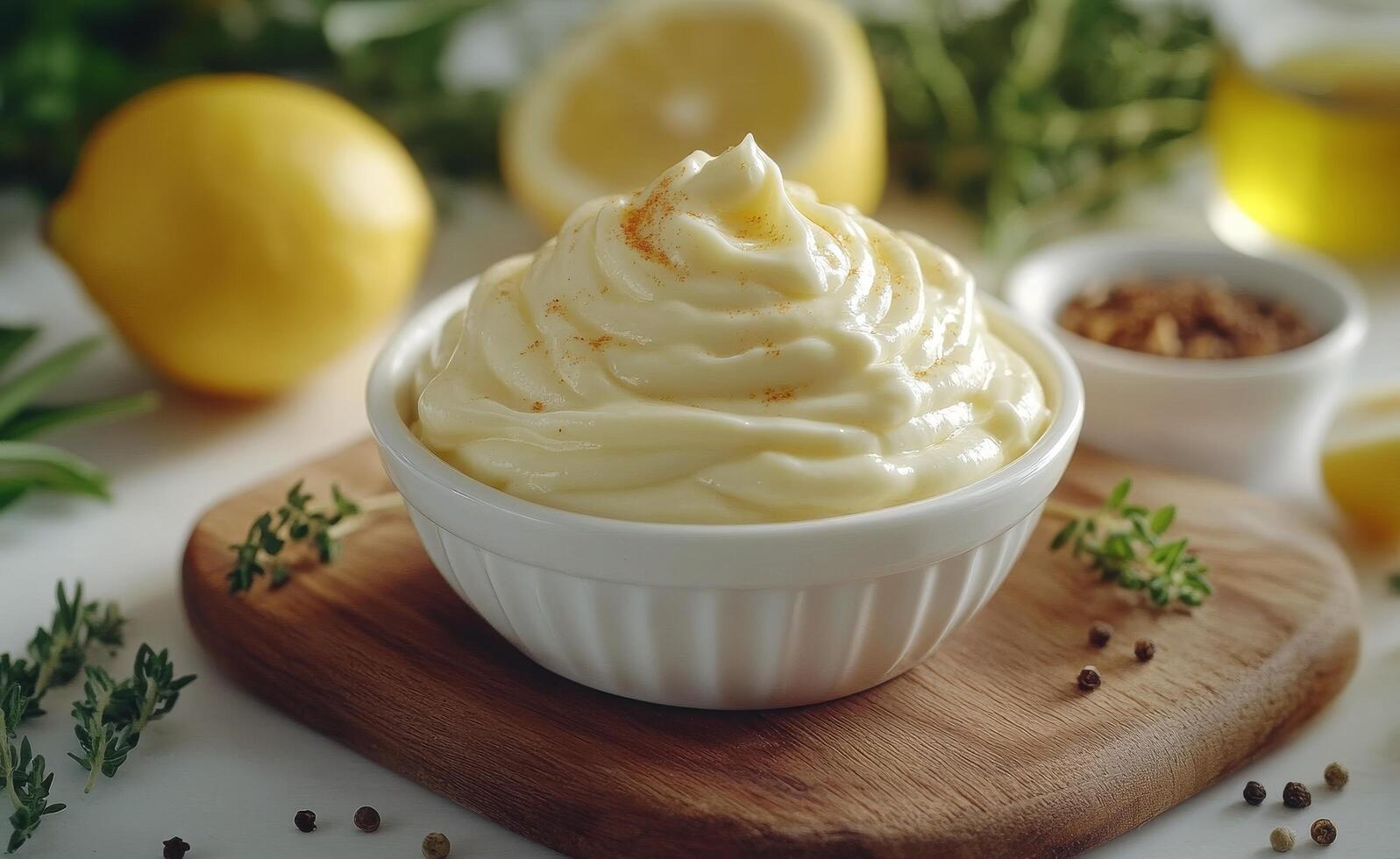
Mayo is typically gluten-free as its main ingredients (eggs, oil, and vinegar or lemon juice) do not contain gluten. However, some brands may include additives or flavorings that could potentially contain gluten. Hencecit’s always important to check the label of store-bought mayonnaise.
Quick Tips
1Adds flavor and creaminess to sandwiches, salads, and other dishes
2Good source of healthy fats, especially when made with olive oil
3Contains vitamin E, an antioxidant that supports immune function
# In This Article
3 sectionsQuick navigation to each section of this article:
Benefits of Mayo
| Benefits of Mayo |
|---|
| Adds flavor and creaminess to sandwiches, salads, and other dishes |
| Good source of healthy fats, especially when made with olive oil |
| Contains vitamin E, an antioxidant that supports immune function |
| Provides a small amount of protein, but not as much as a single egg |
| Can be used as a base for other sauces and dressings |
| Versatile ingredient in both hot and cold dishes |
| Can be made at home with simple ingredients for a fresher taste |
| Available in various flavors and versions (light, vegan, etc.) to suit different dietary needs |
| Long shelf life when stored properlyRemember, while mayo has benefits, it’s also high in calories, so it should be consumed in moderation as part of a balanced diet. |
Who should avoid Mayo
| Who should avoid Mayo |
|---|
| People with egg allergies, as most mayonnaise contains eggs |
| Those following a vegan diet, unless using a vegan mayo alternative |
| Individuals on a low-fat diet, as mayo is high in fat content |
| People with compromised immune systems, who should avoid raw or undercooked eggs in homemade mayo |
| Those watching their calorie intake, as mayo is calorie-dense |
| Individuals with high cholesterol should always choose low-sodium, low-fat mayo options, as traditional mayo is high in saturated fats |
| People following a ketogenic diet, unless using a keto-friendly mayo |
| Those with a sensitivity to soy, as some mayo brands contain soybean oil |
| Individuals with salmonella concerns, particularly regarding raw eggs in homemade mayo |
| People adhering to specific religious dietary restrictions that prohibit eggsRemember that these recommendations can vary based on individual health conditions and dietary needs. It’s always best to consult with a healthcare professional or nutritionist for personalized advice. |
Related Gluten Free Products
Here are five gluten-free options similar to mayo:
| Related Gluten Free Products |
|---|
| Avocado spread: A creamy, nutrient-rich spread made from mashed avocados. It's high in healthy fats and can be seasoned with various herbs and spices for added flavor. |
| Hummus: A Middle Eastern dip made from chickpeas, tahini, olive oil, lemon juice, and garlic. It's protein-rich and comes in many flavors, making it a versatile spread. |
| Greek yogurt-based spread: A tangy, protein-packed alternative made by mixing Greek yogurt with herbs, spices, and a touch of lemon juice. |
| Cashew cream: A vegan option made from blended soaked cashews, water, and seasonings. It's creamy and can be flavored to mimic mayo or other spreads. |
| Tahini: A paste made from ground sesame seeds. It's rich in healthy fats and minerals, with a nutty flavor that works well in both savory and sweet applications.These options provide diverse flavors and nutritional profiles while remaining gluten-free, making them suitable alternatives to mayo for various dietary needs and preferences. |
Health Information
? Frequently Asked Questions
3 questions1 Is Hellman's mayo gluten-free?
2 Does Kraft Real mayo have gluten?
3 Does Duke's mayo have gluten?
Our Expert
Drs. Ilse van Asperen
Orthomolecular Therapist, Nutritional Coach & Professional Editor
Drs. Ilse van Asperen is a medical doctor specialising in orthomolecular therapy and nutritional coaching. With a background in public and clinical health research and management, she focuses on addressing the root causes of health issues through diet, gut health, and stress reduction. As a professional editor for Little Helpers, she reviews all gluten-free content to ensure accuracy, safety, and scientific credibility. Read more on Drs. Ilse van Asperen's own website
Our Sources
The information on this page is based on reputable health and nutrition organisations, ensuring accuracy and reliability for anyone following a gluten-free diet. For further details, see the sources below.