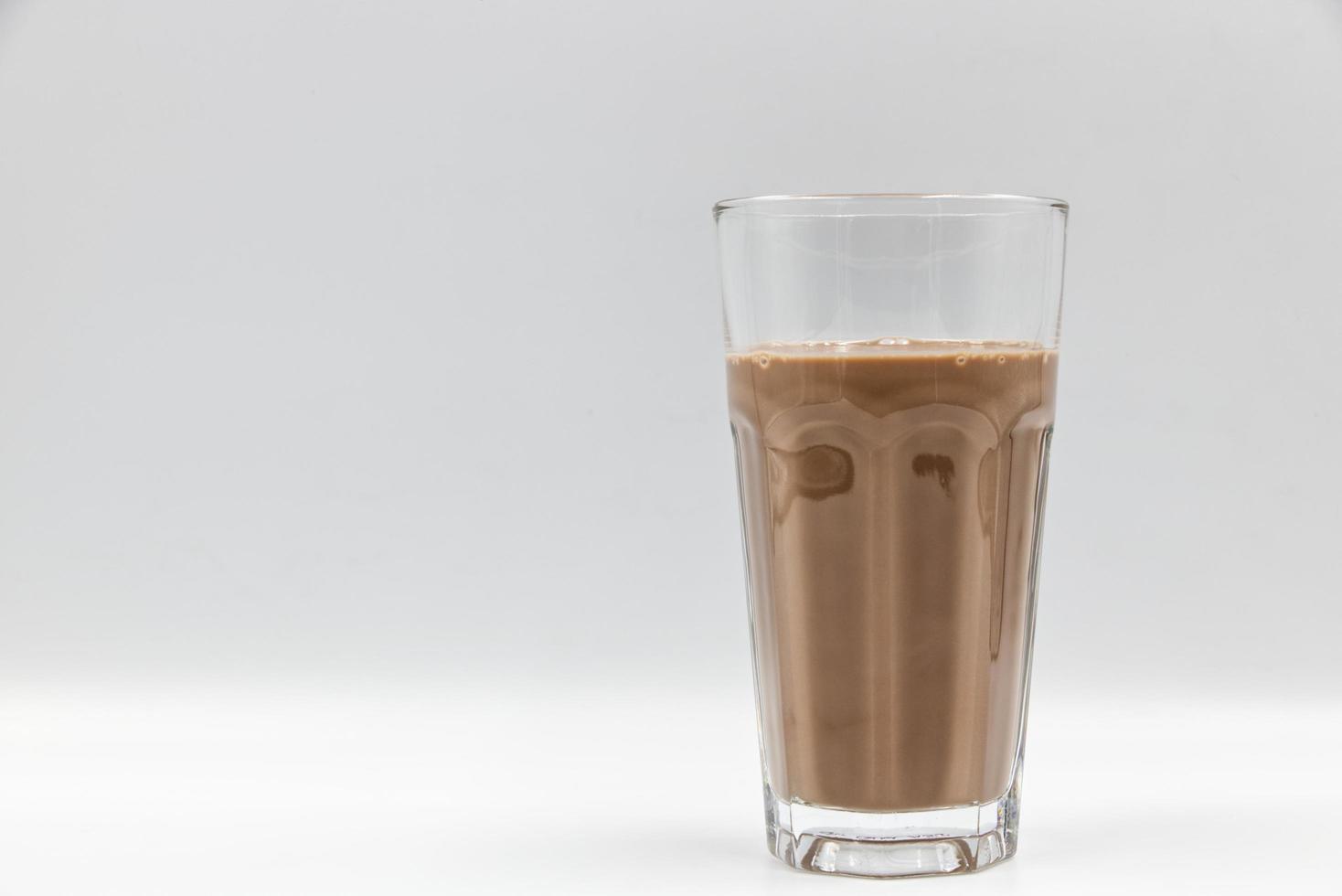
Is Milk Gluten Free?

Is Milk Gluten Free?

Yes, milk is naturally gluten-free. Gluten is a protein found in wheat, barley, and rye, but it is not present in milk.

TL;DR

Yes, milk is naturally gluten-free. Gluten is a protein found in wheat, barley, and rye, but it is not present in milk.

Quick Tips

1

Excellent source of calcium for strong bones and teeth

2

Rich in protein for muscle growth and repair

3

Contains vitamin D, which aids calcium absorption

# In This Article

3 sections

Quick navigation to each section of this article:

1 Benefits of Milk

Excellent source of calcium for strong bones and teeth

Jump
2 Who should avoid Milk

Individuals with lactose intolerance

Jump
3 Related Gluten Free Products

Here are five gluten-free options similar to milk:

Jump

Benefits of Milk

Benefits of Milk
Excellent source of calcium for strong bones and teeth
Rich in protein for muscle growth and repair
Contains vitamin D, which aids calcium absorption
Good source of potassium, which can help reduce blood pressure and reduce the risk of heart disease
Provides vitamin B12 for red blood cell formation and neurological function
Contains riboflavin (vitamin B2) for energy metabolism
Contains phosphorus, calcium and other nutrients beneficial to bone health and cellular function
Provides iodine, essential for thyroid function
Contains vitamin A for eye health and immune function
Good source of zinc for immune system support
Contains magnesium for muscle and nerve function
Hydrating due to its high water content
May help with weight management when consumed as part of a balanced diet
Can potentially lower the risk of osteoporosis
Can be a good post-workout recovery drink due to its protein and carbohydrate content
Provides a feeling of fullness, which may help with appetite controlRemember that the benefits can vary depending on the type of milk (whole, low-fat, skim) and whether it’s fortified with additional nutrients.

Who should avoid Milk

Who should avoid Milk
Individuals with lactose intolerance
People with milk allergies
Those with galactosemia (a rare genetic disorder)
Vegans
Some people with irritable bowel syndrome (IBS) or other digestive issues
People following specific diets that exclude dairy (e.g., Paleo diet)
Some individuals with autoimmune conditions who find dairy aggravates their symptoms
Individuals with certain types of hormonal imbalances that may be affected by milk consumption
People with certain types of thyroid issues like hyperthyroidism or Hashimoto’s disease may be sensitive to iodine in milkNote that the need to avoid milk can vary depending on individual circumstances and medical advice. Always consult with a healthcare professional for personalized dietary recommendations.
ENJOY YOUR FAVORITE FOODS FEARLESSLY!
Don’t let gluten hold you back. Take Anti-Gluten Pills before your meal and enjoy peace of mind.
SHOP ANTI-GLUTEN PILLS
Clinically proven · Up to 86% gluten reduction · Fast acting

Here are five gluten-free options similar to milk:

Related Gluten Free Products
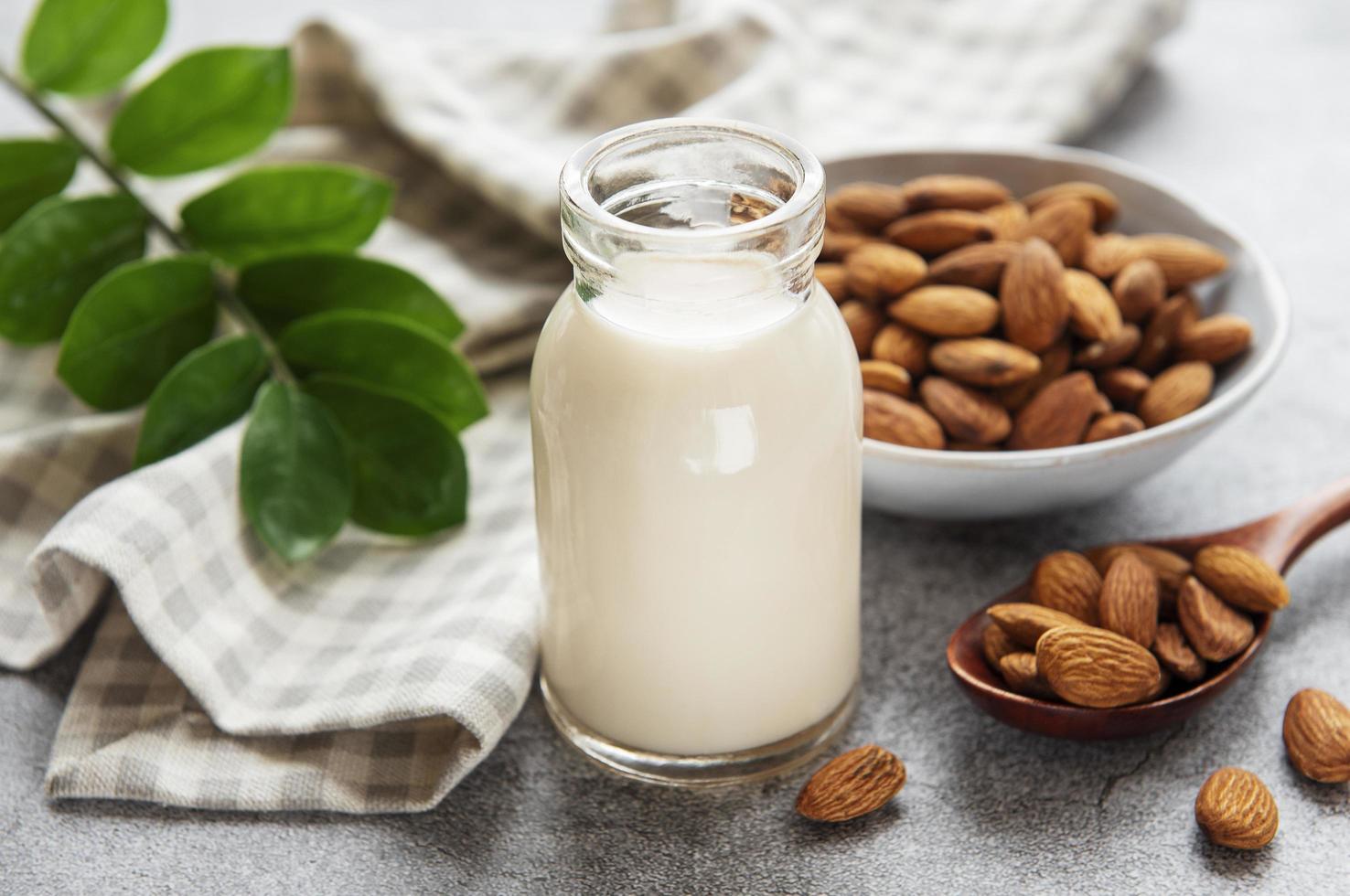
Almond milk: A plant-based milk made from ground almonds and water. It has a slightly nutty flavor and is low in calories, making it popular among those watching their weight.
Coconut milk: Derived from the flesh of coconuts, this creamy milk alternative is rich in healthy fats and has a distinct tropical flavor. It's often used in cooking and baking, especially in Asian cuisines.
Soy milk: Made from soybeans, this milk alternative is high in protein and often fortified with vitamins and minerals. It has a mild, slightly beany taste and is versatile in both sweet and savory recipes.
Oat milk: Created by blending oats with water and straining the mixture, oat milk has a creamy texture and slightly sweet flavor. It's becoming increasingly popular due to its environmental sustainability and naturally occurring nutrients.
Rice milk: Produced from milled rice and water, this milk alternative is the least likely to trigger allergies. It has a mild, slightly sweet taste and is often fortified with calcium and vitamins to make it more nutritionally similar to cow's milk.

Health Information

? Frequently Asked Questions

2 questions
1 Can celiacs drink milk?
Celiacs can generally drink milk safely. Milk does not contain gluten, which is the protein that celiacs need to avoid. However, some celiacs may also have lactose intolerance, in which case they would need to avoid milk or use lactose-free options. It's always best for individuals with celiac disease to consult their doctor or dietitian about their specific dietary needs.
2 Does 2% milk have gluten?
No, 2% milk does not contain gluten. Gluten is a protein found in wheat, barley, and rye. Milk is naturally gluten-free, as it comes from animals and not grains. However, some flavored or fortified milk products may contain gluten additives, so it's always best to check the label if you have gluten sensitivities.
LIVE GLUTEN-FREE WITHOUT THE FUSS!
Introducing Tolerase® G, clinically proven to reduce up to 86% of gluten in under 10 minutes. Experience the freedom to eat what you love.
SHOP ANTI-GLUTEN PILLS
150mg pure Tolerase® G · Reduces gluten by 86% · Under 10 minutes

Our Expert

Drs. Ilse van Asperen, Orthomolecular Therapist and Nutritional Coach

Drs. Ilse van Asperen

Orthomolecular Therapist, Nutritional Coach & Professional Editor

Drs. Ilse van Asperen is a medical doctor specialising in orthomolecular therapy and nutritional coaching. With a background in public and clinical health research and management, she focuses on addressing the root causes of health issues through diet, gut health, and stress reduction. As a professional editor for Little Helpers, she reviews all gluten-free content to ensure accuracy, safety, and scientific credibility. Read more on Drs. Ilse van Asperen's own website

Our Sources

The information on this page is based on reputable health and nutrition organisations, ensuring accuracy and reliability for anyone following a gluten-free diet. For further details, see the sources below.
Sources

Similar Articles

Back to blog