Share
TL;DR
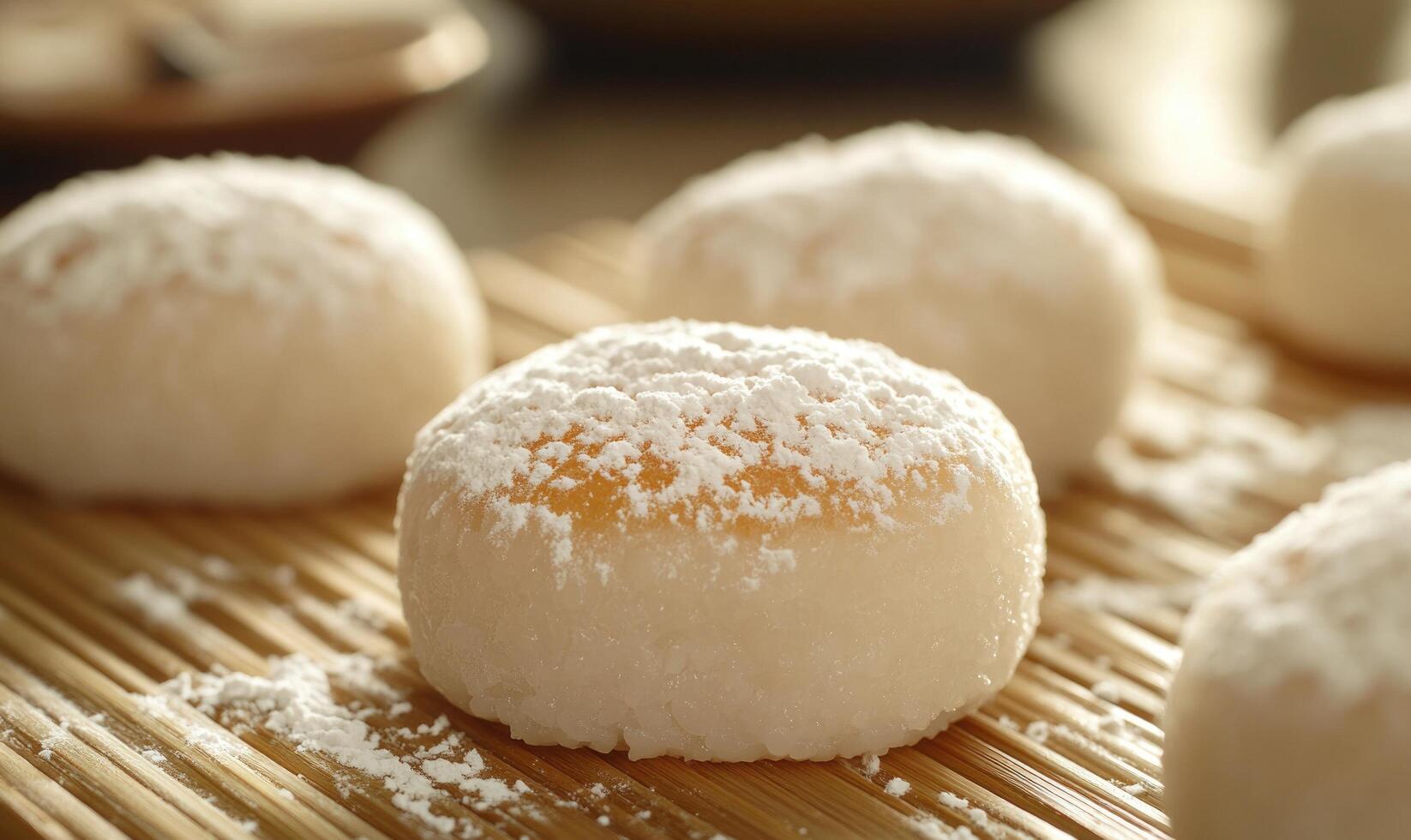
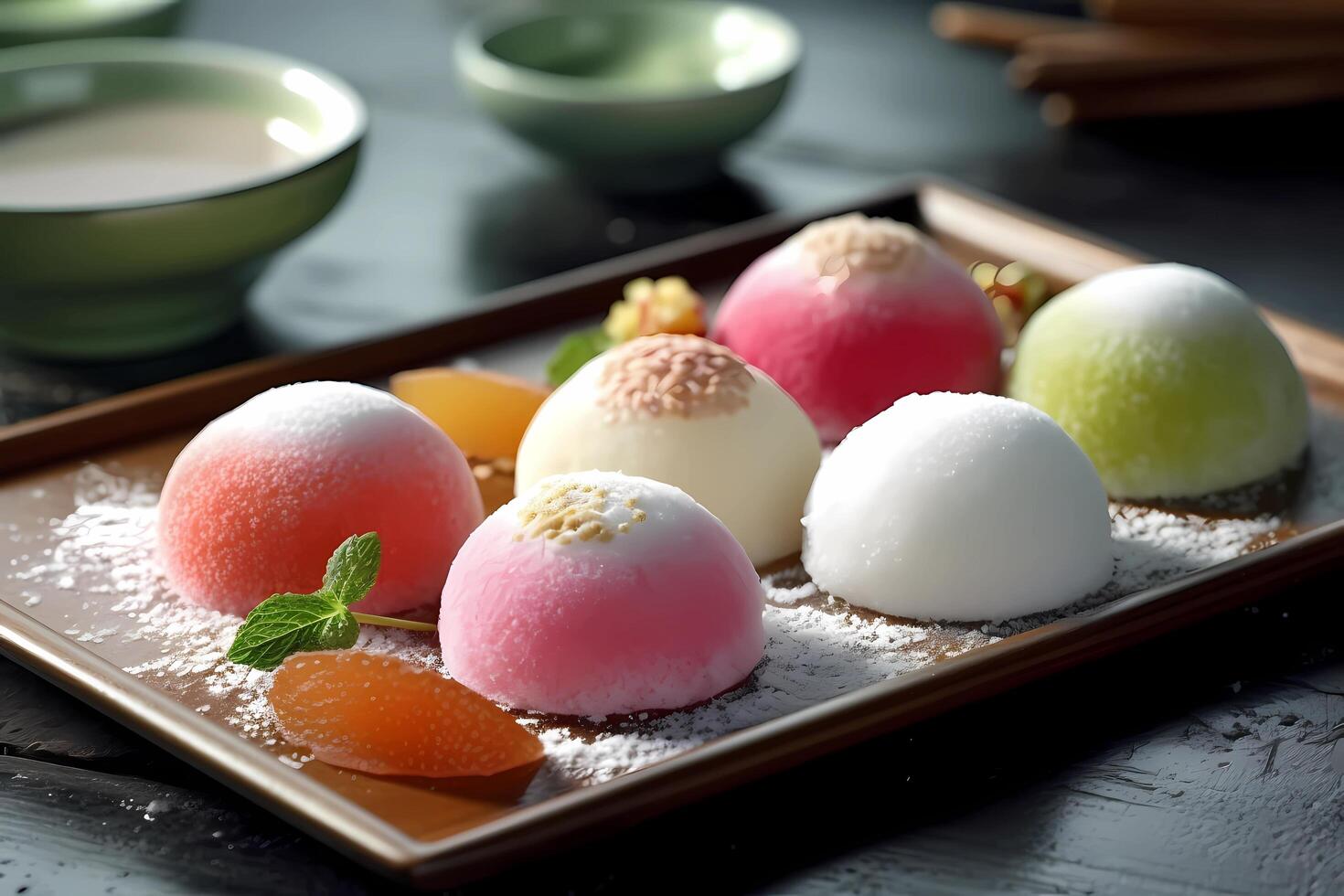
Mochi is traditionally made from glutinous rice (also called sweet rice), which, despite its name, does not contain gluten and is naturally gluten-free. However, some modern or commercially produced mochi products may contain added ingredients that include gluten, so it’s always best to check the label or ask about ingredients if you have celiac disease or gluten sensitivity.
Quick Tips
1Low in fat: Traditional mochi is typically low in fat, making it a relatively light snack option.
2Gluten-free: Made from rice flour, mochi is naturally gluten-free, suitable for those with gluten sensitivities or celiac disease.
3Energy source: As a carbohydrate-rich food, mochi can provide quick energy.
# In This Article
3 sectionsQuick navigation to each section of this article:
1 Benefits of Mochi
Low in fat: Traditional mochi is typically low in fat, making it a relatively light snack option.
Jump2 Who should avoid Mochi
People with allergies to rice or rice flour
Jump3 Related Gluten Free Products
Here are five gluten-free options similar to Mochi, along with short descriptions:
JumpBenefits of Mochi
| Benefits of Mochi |
|---|
| Low in fat: Traditional mochi is typically low in fat, making it a relatively light snack option. |
| Gluten-free: Made from rice flour, mochi is naturally gluten-free, suitable for those with gluten sensitivities or celiac disease. |
| Energy source: As a carbohydrate-rich food, mochi can provide quick energy. |
| Contains essential minerals: Mochi contains small amounts of minerals like iron, magnesium, and zinc. |
| Vitamin B content: It contains some B vitamins, which are important for energy metabolism. |
| Low in sodium: Plain mochi is generally low in sodium, which can be beneficial for those monitoring their salt intake. |
| Easily digestible: The sticky texture of mochi can make it easier to digest for some people. |
| Versatile for dietary needs: It can be filled with various healthy ingredients like fruits or nuts, increasing its nutritional value. |
| May aid in weight management: Due to its chewy texture, eating mochi may help slow down eating, potentially aiding in portion control. |
| Cultural significance: Consuming traditional foods like mochi can provide psychological benefits associated with cultural connection and enjoyment.Remember that these benefits are most applicable to plain, traditional mochi. Varieties with added sugars or less healthy fillings may not offer the same benefits. |
Who should avoid Mochi
| Who should avoid Mochi |
|---|
| People with allergies to rice or rice flour |
| Individuals with gluten sensitivity or celiac disease (if the mochi contains wheat-based ingredients) |
| Young children and elderly individuals, due to the choking hazard |
| Those with difficulty swallowing or chewing |
| People with dental issues or weak teeth |
| Individuals on a low-carbohydrate diet |
| Those with diabetes or blood sugar management issues (due to its high carbohydrate content) |
| People with a history of choking or who have trouble eating sticky foods |
| Individuals recovering from certain oral or throat surgeries |
| Those with compromised immune systems, if consuming raw mochi (due to potential bacterial risks) |
| Pregnant women (if the mochi contains unsafe fillings like raw fish) |
| People with specific dietary restrictions that prohibit rice or sweet foodsAlways consult with a healthcare professional if you have concerns about consuming mochi or any other food. |
Related Gluten Free Products
Here are five gluten-free options similar to Mochi, along with short descriptions:
| Related Gluten Free Products |
|---|
| Dango: A Japanese dumpling made from rice flour, similar to mochi but typically smaller and served on a skewer. It comes in various flavors and colors, often enjoyed with green tea. |
| Thai Coconut Sticky Rice: A Southeast Asian dessert made from glutinous rice, coconut milk, and sugar. It's often served with fresh mango or other tropical fruits. |
| Filipino Bibingka: A traditional Philippine rice cake made from glutinous rice flour, coconut milk, and eggs. It's usually baked in banana leaves and topped with cheese, butter, or coconut. |
| Korean Tteok: A variety of Korean rice cakes made from steamed rice flour. They come in many shapes and sizes, and can be sweet or savory, often used in soups, stir-fries, or as desserts.These options are all gluten-free and share similarities with Mochi in terms of texture or preparation methods, using rice or rice flour as a primary ingredient. |
Health Information
? Frequently Asked Questions
4 questions1 Can celiacs eat mochi?
2 Does Trader Joe's mochi have gluten?
3 Does glutinous rice flour have gluten?
4 Does mochi have wheat flour?
Our Expert
Drs. Ilse van Asperen
Orthomolecular Therapist, Nutritional Coach & Professional Editor
Drs. Ilse van Asperen is a medical doctor specialising in orthomolecular therapy and nutritional coaching. With a background in public and clinical health research and management, she focuses on addressing the root causes of health issues through diet, gut health, and stress reduction. As a professional editor for Little Helpers, she reviews all gluten-free content to ensure accuracy, safety, and scientific credibility. Read more on Drs. Ilse van Asperen's own website
Our Sources
The information on this page is based on reputable health and nutrition organisations, ensuring accuracy and reliability for anyone following a gluten-free diet. For further details, see the sources below.