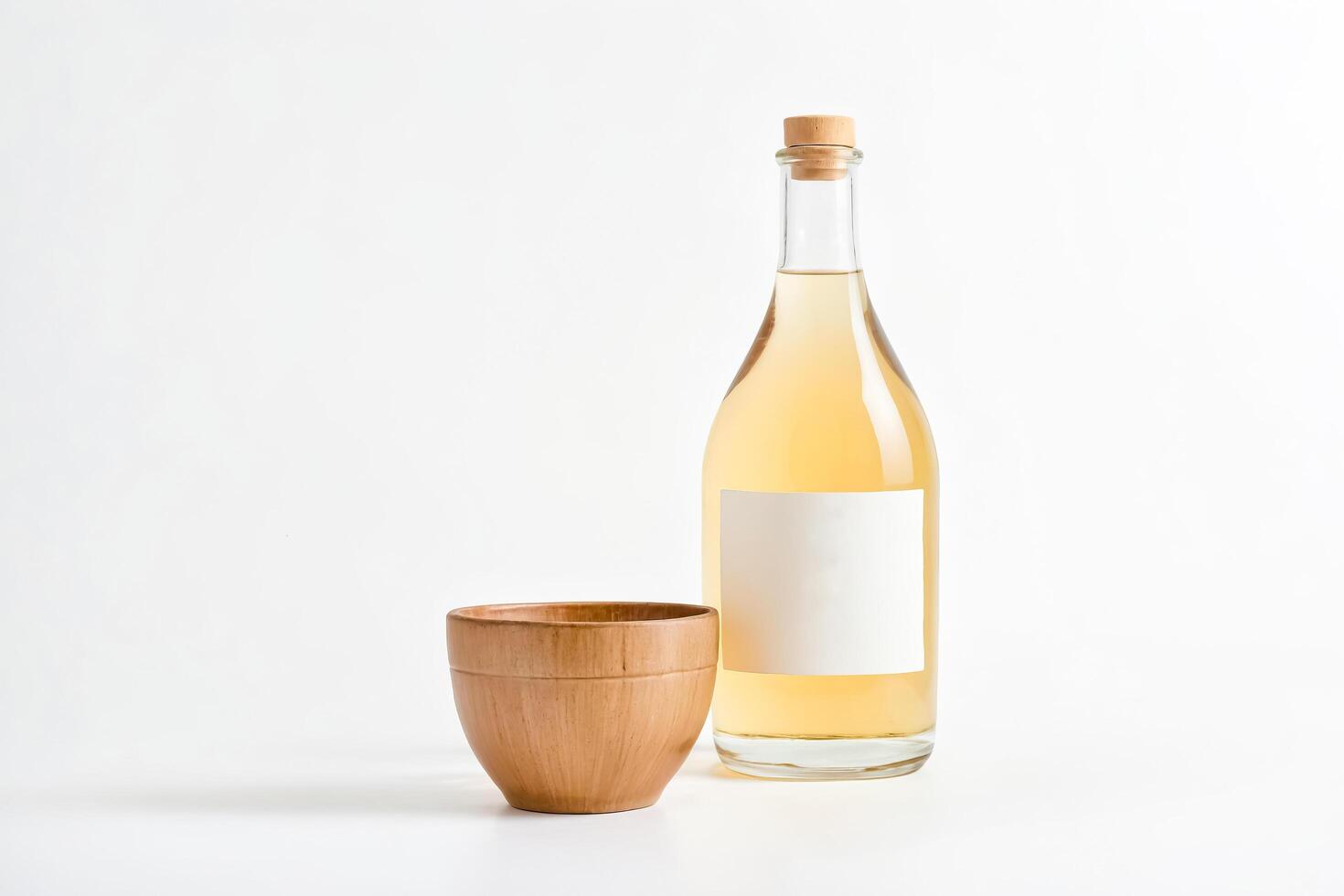
Is Nigori Sake Gluten Free?

Is Nigori Sake Gluten Free?

Nigori sake is typically gluten-free as it is made from rice, water, yeast, and koji (a type of mold). However, it’s always best to check the specific brand’s label or contact the manufacturer to confirm, as some producers may use ingredients or processes that could introduce gluten.

TL;DR

Nigori sake is typically gluten-free as it is made from rice, water, yeast, and koji (a type of mold). However, it’s always best to check the specific brand’s label or contact the manufacturer to confirm, as some producers may use ingredients or processes that could introduce gluten.

Quick Tips

1

Rich in amino acids: Nigori Sake contains a variety of amino acids that are essential for various bodily functions.

2

Probiotic properties: The unfiltered nature of Nigori Sake may contain beneficial bacteria that support gut health.

3

Antioxidant content: It contains antioxidants that may help combat free radicals in the body.

# In This Article

3 sections

Quick navigation to each section of this article:

1 Benefits of Nigori Sake

Rich in amino acids: Nigori Sake contains a variety of amino acids that are essential for various bodily functions.

Jump
2 Who should avoid Nigori Sake

Pregnant women: As with all alcoholic beverages, Nigori Sake should be avoided during pregnancy due to potential risks to fetal development.

Jump
3 Related Gluten Free Products

Here are five similar gluten-free options to Nigori Sake, along with short descriptions:

Jump

Benefits of Nigori Sake

Benefits of Nigori Sake
Rich in amino acids: Nigori Sake contains a variety of amino acids that are essential for various bodily functions.
Probiotic properties: The unfiltered nature of Nigori Sake may contain beneficial bacteria that support gut health.
Antioxidant content: It contains antioxidants that may help combat free radicals in the body.
Potential heart health benefits: Moderate consumption may contribute to improved cardiovascular health.
Low in sulfites: Compared to many wines, Nigori Sake is typically lower in sulfites, which some people are sensitive to.
Gluten-free: It’s naturally gluten-free, making it suitable for those with gluten sensitivities.
Lower acidity: Generally less acidic than wine, which may be easier on the digestive system for some people.
Potential anti-aging properties: Some compounds in sake may have anti-aging effects on the skin.
May aid in sleep: Contains an amino acid (GABA) that might help promote better sleep.
Potential blood sugar regulation: Some studies suggest it may help regulate blood sugar levels.Remember, these benefits are associated with moderate consumption, and excessive alcohol intake can lead to negative health effects. Always consult with a healthcare professional regarding alcohol consumption and its effects on your health.

Who should avoid Nigori Sake

Who should avoid Nigori Sake
Pregnant women: As with all alcoholic beverages, Nigori Sake should be avoided during pregnancy due to potential risks to fetal development.
Individuals with alcohol allergies or intolerances: Some people may have adverse reactions to alcohol, including Nigori Sake.
People with gluten sensitivities: While sake is generally gluten-free, some individuals with severe gluten sensitivities may need to exercise caution.
Those taking certain medications: Alcohol can interact negatively with various medications, so it’s important to consult a healthcare provider.
Individuals with liver disease or other alcohol-related health issues: Nigori Sake, like all alcoholic drinks, can exacerbate liver problems.
People with a history of alcohol abuse or addiction: Nigori Sake can trigger relapse in recovering alcoholics.
Individuals with diabetes: The higher sugar content in Nigori Sake compared to filtered sake may affect blood sugar levels.
Those observing religious or cultural practices that prohibit alcohol consumption: Some religions and cultures forbid the consumption of alcoholic beverages.
Individuals under the legal drinking age: Consumption of Nigori Sake by minors is illegal in most countries.
People operating vehicles or machinery: Nigori Sake can impair judgment and coordination, making it unsafe for such activities.Remember, it’s always best to consult with a healthcare professional for personalized advice regarding alcohol consumption.
ENJOY YOUR FAVORITE FOODS FEARLESSLY!
Don’t let gluten hold you back. Take Anti-Gluten Pills before your meal and enjoy peace of mind.
SHOP ANTI-GLUTEN PILLS
Clinically proven · Up to 86% gluten reduction · Fast acting

Here are five similar gluten-free options to Nigori Sake, along with short descriptions:

Related Gluten Free Products
Rice wine: A sweet, low-alcohol beverage made from fermented rice, popular in many Asian countries. It has a mild flavor and can be served warm or chilled.
Soju: A clear, distilled alcohol originating from Korea, typically made from rice, sweet potatoes, or barley. It has a neutral taste and is often compared to vodka but with a lower alcohol content.
Makgeolli: A milky, sweet, and slightly fizzy Korean rice wine with a low alcohol content. It has a creamy texture similar to Nigori Sake and a tangy, slightly sweet flavor.
Amazake: A traditional Japanese sweet, non-alcoholic drink made from fermented rice. It has a thick, creamy consistency and a natural sweetness, often served warm as a comforting beverage.These options are all gluten-free and share similarities with Nigori Sake in terms of ingredients, production methods, or flavor profiles.

Health Information

? Frequently Asked Questions

4 questions
1 What sake is not gluten free?
Most sake is gluten-free, as it's typically made from rice, water, yeast, and koji mold. However, some sake may contain small amounts of gluten if it's produced in facilities that also process wheat-based products. Additionally, certain flavored or specialty sakes might incorporate gluten-containing ingredients. To be certain, it's best to check with the manufacturer or look for certified gluten-free labels on sake products.
2 What is Nigori sake made of?
Nigori sake is made from rice, water, and koji mold, like other types of sake. However, it is distinct because it is unfiltered or only coarsely filtered, leaving some rice particles in the final product. This gives Nigori sake its characteristic cloudy appearance and creamy texture. The rice used is typically polished to remove 30-40% of the outer layer before fermentation.
3 What is the difference between nigori sake and sake?
Nigori sake and regular sake are both types of Japanese rice wine, but they have distinct differences. Nigori sake is unfiltered or partially filtered, giving it a cloudy appearance and a creamy texture, while regular sake is fully filtered and clear. The unfiltered nature of nigori sake results in a sweeter, more full-bodied flavor profile compared to the typically drier and cleaner taste of regular sake. Additionally, nigori sake often has a lower alcohol content and may contain small rice particles, which contribute to its unique mouthfeel and visual appeal.
4 Is Hakushika sake gluten free?
Hakushika sake is generally considered gluten-free. Sake is traditionally made from rice, water, koji mold, and yeast, none of which contain gluten. However, it's always best to check the specific product label or contact the manufacturer for absolute certainty. Some flavored or specialty sakes may contain added ingredients that could potentially introduce gluten.
LIVE GLUTEN-FREE WITHOUT THE FUSS!
Introducing Tolerase® G, clinically proven to reduce up to 86% of gluten in under 10 minutes. Experience the freedom to eat what you love.
SHOP ANTI-GLUTEN PILLS
150mg pure Tolerase® G · Reduces gluten by 86% · Under 10 minutes

Our Expert

Drs. Ilse van Asperen, Orthomolecular Therapist and Nutritional Coach

Drs. Ilse van Asperen

Orthomolecular Therapist, Nutritional Coach & Professional Editor

Drs. Ilse van Asperen is a medical doctor specialising in orthomolecular therapy and nutritional coaching. With a background in public and clinical health research and management, she focuses on addressing the root causes of health issues through diet, gut health, and stress reduction. As a professional editor for Little Helpers, she reviews all gluten-free content to ensure accuracy, safety, and scientific credibility. Read more on Drs. Ilse van Asperen's own website

Our Sources

The information on this page is based on reputable health and nutrition organisations, ensuring accuracy and reliability for anyone following a gluten-free diet. For further details, see the sources below.
Sources

Similar Articles

Back to blog