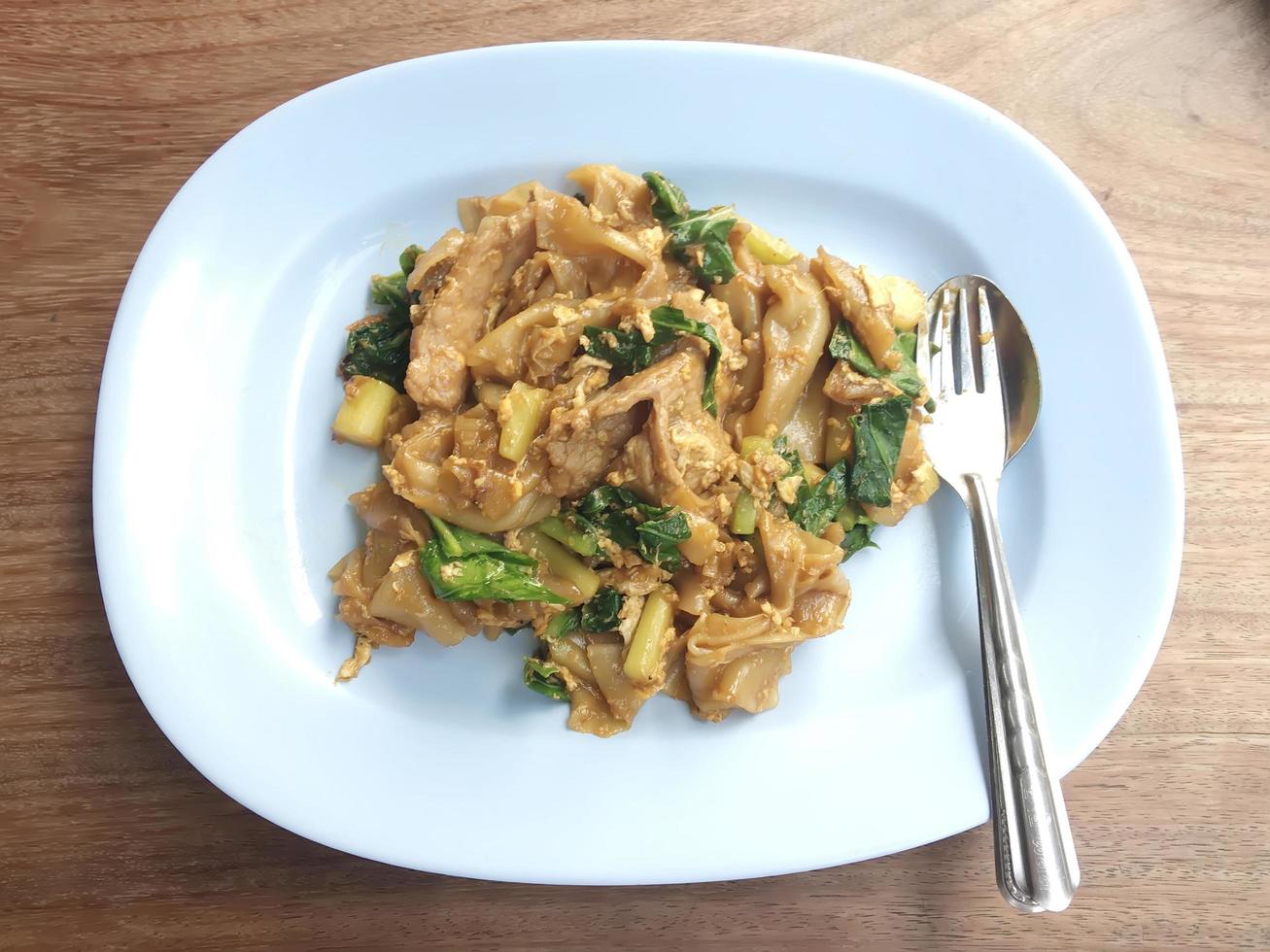
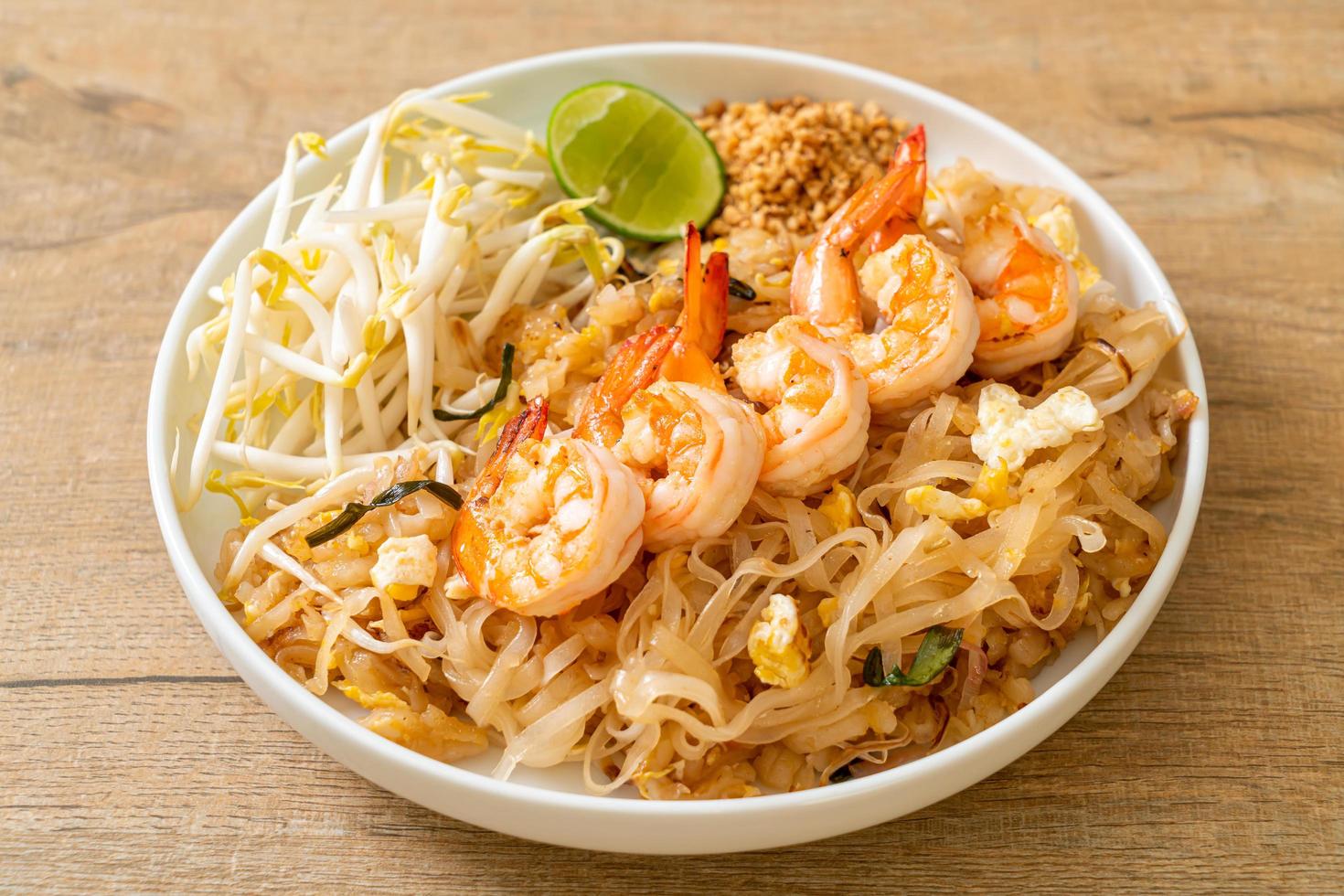
Is Pad Woon Sen Gluten Free?

Is Pad Woon Sen Gluten Free?

Pad Woon Sen is typically gluten-free as it’s made with glass noodles (also known as cellophane noodles) which are derived from mung bean starch, not wheat. However, it’s important to check that the soy sauce or other sauces used in the dish are gluten-free, as some may contain wheat-based ingredients.

TL;DR

Pad Woon Sen is typically gluten-free as it’s made with glass noodles (also known as cellophane noodles) which are derived from mung bean starch, not wheat. However, it’s important to check that the soy sauce or other sauces used in the dish are gluten-free, as some may contain wheat-based ingredients.

Quick Tips

1

Low in calories: Glass noodles are relatively low in calories compared to other types of noodles.

2

Good source of carbohydrates: Provides energy for daily activities.

3

Contains various vegetables: Offers a range of vitamins, minerals, and antioxidants.

# In This Article

3 sections

Quick navigation to each section of this article:

1 Benefits of Pad Woon Sen

Low in calories: Glass noodles are relatively low in calories compared to other types of noodles.

Jump
2 Who should avoid Pad Woon Sen

Individuals with gluten intolerance or celiac disease: Some versions may contain soy sauce with wheat.

Jump
3 Gluten Free Alternatives

Here are five gluten-free alternatives to Pad Woon Sen, along with short descriptions:

Jump

Benefits of Pad Woon Sen

Benefits of Pad Woon Sen
Low in calories: Glass noodles are relatively low in calories compared to other types of noodles.
Good source of carbohydrates: Provides energy for daily activities.
Contains various vegetables: Offers a range of vitamins, minerals, and antioxidants.
High in fiber: The vegetables and noodles contribute to dietary fiber, aiding digestion.
Protein source: Often includes protein from eggs, tofu, or meat, supporting muscle health.
Low in fat: Typically prepared with minimal oil, making it a lighter option.
Gluten-free: Glass noodles are usually made from mung bean starch, making the dish suitable for those with gluten sensitivities.
Balanced meal: Combines carbohydrates, proteins, and vegetables for a well-rounded dish.
Hydrating: Glass noodles absorb water, contributing to hydration.
Customizable: Can be adapted to include more vegetables or lean proteins for increased nutritional value.
May contain garlic and ginger: These ingredients have potential anti-inflammatory properties.Remember that the exact health benefits can vary depending on the specific ingredients and preparation method used.

Who should avoid Pad Woon Sen

Who should avoid Pad Woon Sen
Individuals with gluten intolerance or celiac disease: Some versions may contain soy sauce with wheat.
People with soy allergies: The dish often contains soy sauce.
Those with shellfish allergies: Pad Woon Sen is sometimes made with shrimp or other seafood.
Individuals on a low-sodium diet: The dish can be high in sodium due to soy sauce and other seasonings.
People with diabetes: The glass noodles are high in carbohydrates and can affect blood sugar levels.
Individuals on a low-carb diet: The glass noodles are carbohydrate-rich.
Those with egg allergies: Some recipes include eggs.
Vegans and strict vegetarians: Traditional recipes often contain meat or seafood.
People with certain vegetable allergies: The dish typically includes various vegetables.
Individuals with MSG sensitivity: Some restaurant versions may contain added MSG.
Those following a ketogenic diet: The noodles and some vegetables are high in carbs.
People with specific religious or cultural dietary restrictions: Depending on the ingredients used.Always check the ingredients and preparation method if you have specific dietary concerns or restrictions.
ENJOY YOUR FAVORITE FOODS FEARLESSLY!
Don’t let gluten hold you back. Take Anti-Gluten Pills before your meal and enjoy peace of mind.
SHOP ANTI-GLUTEN PILLS
Clinically proven · Up to 86% gluten reduction · Fast acting

Gluten Free Alternatives

Here are five gluten-free alternatives to Pad Woon Sen, along with short descriptions:

Gluten Free Alternatives
Rice Noodles (Sen Yai or Sen Lek):Flat or thin rice noodles that are naturally gluten-free and commonly used in Thai cuisine. They have a soft texture and mild flavor, making them a versatile alternative for stir-fry dishes.
Shirataki Noodles:Made from konjac yam, these translucent, gelatinous noodles are extremely low in calories and carbohydrates. They have a slightly chewy texture and absorb flavors well, making them suitable for Asian-style dishes.
Kelp Noodles:Made from seaweed, these noodles are gluten-free, low in calories, and rich in minerals. They have a crunchy texture when raw but soften when cooked, offering a unique alternative for stir-fries and salads.
Zucchini Noodles (Zoodles):Spiralized zucchini creates noodle-like strands that are gluten-free and low in carbohydrates. They offer a fresh, light alternative to traditional noodles and work well in both raw and cooked dishes.
Sweet Potato Glass Noodles:Made from sweet potato starch, these translucent noodles are gluten-free and have a chewy texture similar to mung bean noodles. They are commonly used in Korean cuisine and can be a great alternative in stir-fries and soups.

Health Information

? Frequently Asked Questions

4 questions
1 Is Pad Thai usually gluten-free?
Pad Thai is often naturally gluten-free. The main ingredients, such as rice noodles, vegetables, and meat or tofu, are typically gluten-free. However, some restaurants may use soy sauce or other sauces containing gluten in their Pad Thai recipes. It's always best to ask about ingredients or inform the restaurant of any dietary restrictions when ordering.
2 Are glass noodles gluten-free?
Glass noodles are typically gluten-free. They are usually made from starch derived from mung beans, sweet potatoes, or other gluten-free sources. However, it's always important to check the packaging or ingredients list to be certain, as manufacturing processes can vary. While generally safe for those with gluten sensitivities, cross-contamination during production is still a possibility to consider.
3 Are Korean sweet potato glass noodles gluten-free?
Korean sweet potato glass noodles, also known as japchae noodles, are typically gluten-free. They are made from sweet potato starch, which does not contain gluten. However, it's always important to check the packaging or with the manufacturer to confirm, as processing methods or added ingredients may vary. Additionally, when eating these noodles in a prepared dish, be aware of other ingredients or sauces that may contain gluten.
4 Does Pad See Ew have gluten?
Pad See Ew typically contains gluten. The main source of gluten in this dish is usually the soy sauce, which is made with wheat. Additionally, the wide rice noodles used in Pad See Ew are sometimes made with a small amount of wheat flour. However, gluten-free versions can be made by using tamari instead of soy sauce and ensuring the noodles are 100% rice-based.
LIVE GLUTEN-FREE WITHOUT THE FUSS!
Introducing Tolerase® G, clinically proven to reduce up to 86% of gluten in under 10 minutes. Experience the freedom to eat what you love.
SHOP ANTI-GLUTEN PILLS
150mg pure Tolerase® G · Reduces gluten by 86% · Under 10 minutes

Our Expert

Drs. Ilse van Asperen, Orthomolecular Therapist and Nutritional Coach

Drs. Ilse van Asperen

Orthomolecular Therapist, Nutritional Coach & Professional Editor

Drs. Ilse van Asperen is a medical doctor specialising in orthomolecular therapy and nutritional coaching. With a background in public and clinical health research and management, she focuses on addressing the root causes of health issues through diet, gut health, and stress reduction. As a professional editor for Little Helpers, she reviews all gluten-free content to ensure accuracy, safety, and scientific credibility. Read more on Drs. Ilse van Asperen's own website

Our Sources

The information on this page is based on reputable health and nutrition organisations, ensuring accuracy and reliability for anyone following a gluten-free diet. For further details, see the sources below.
Sources

Similar Articles

Back to blog