Share
TL;DR
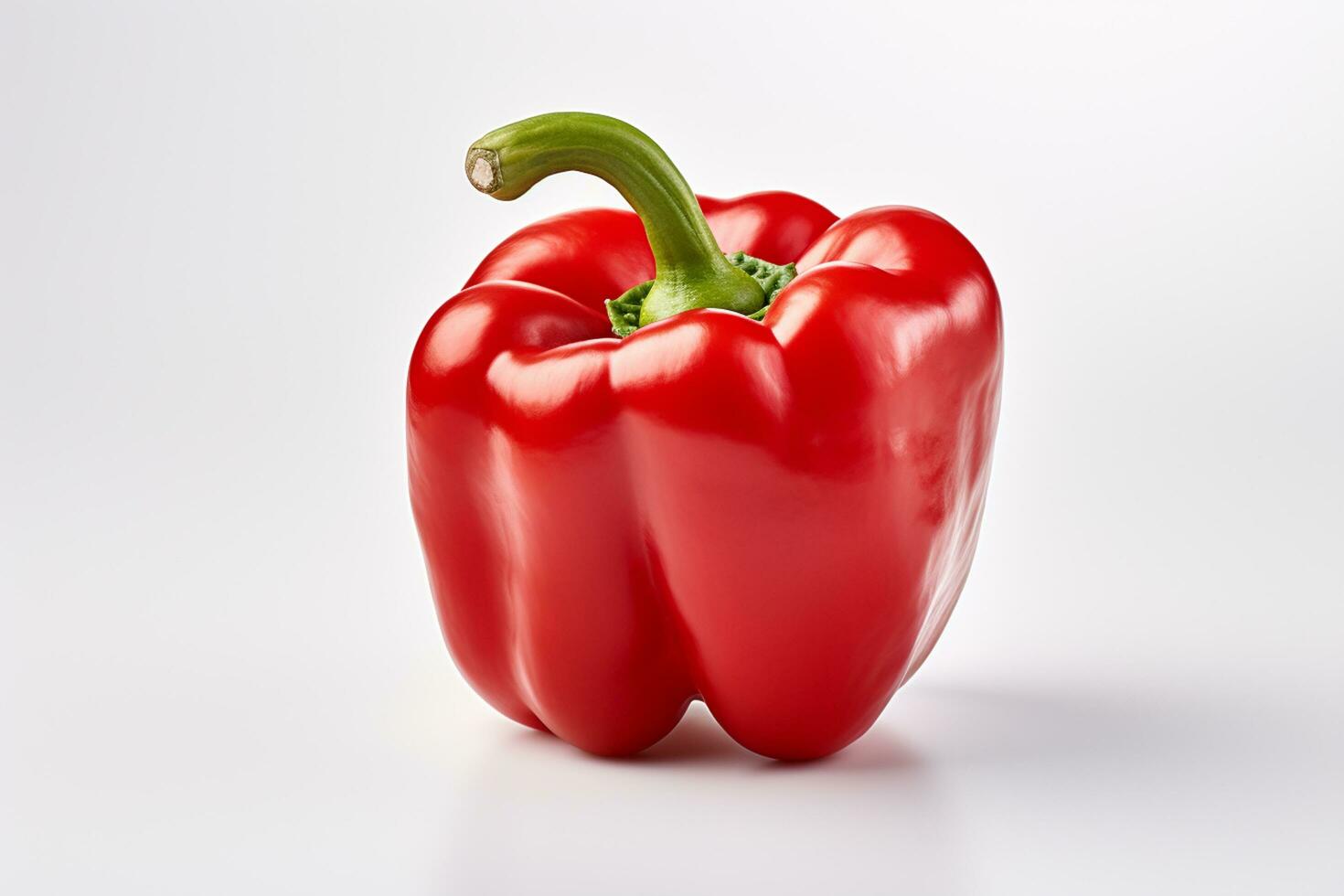
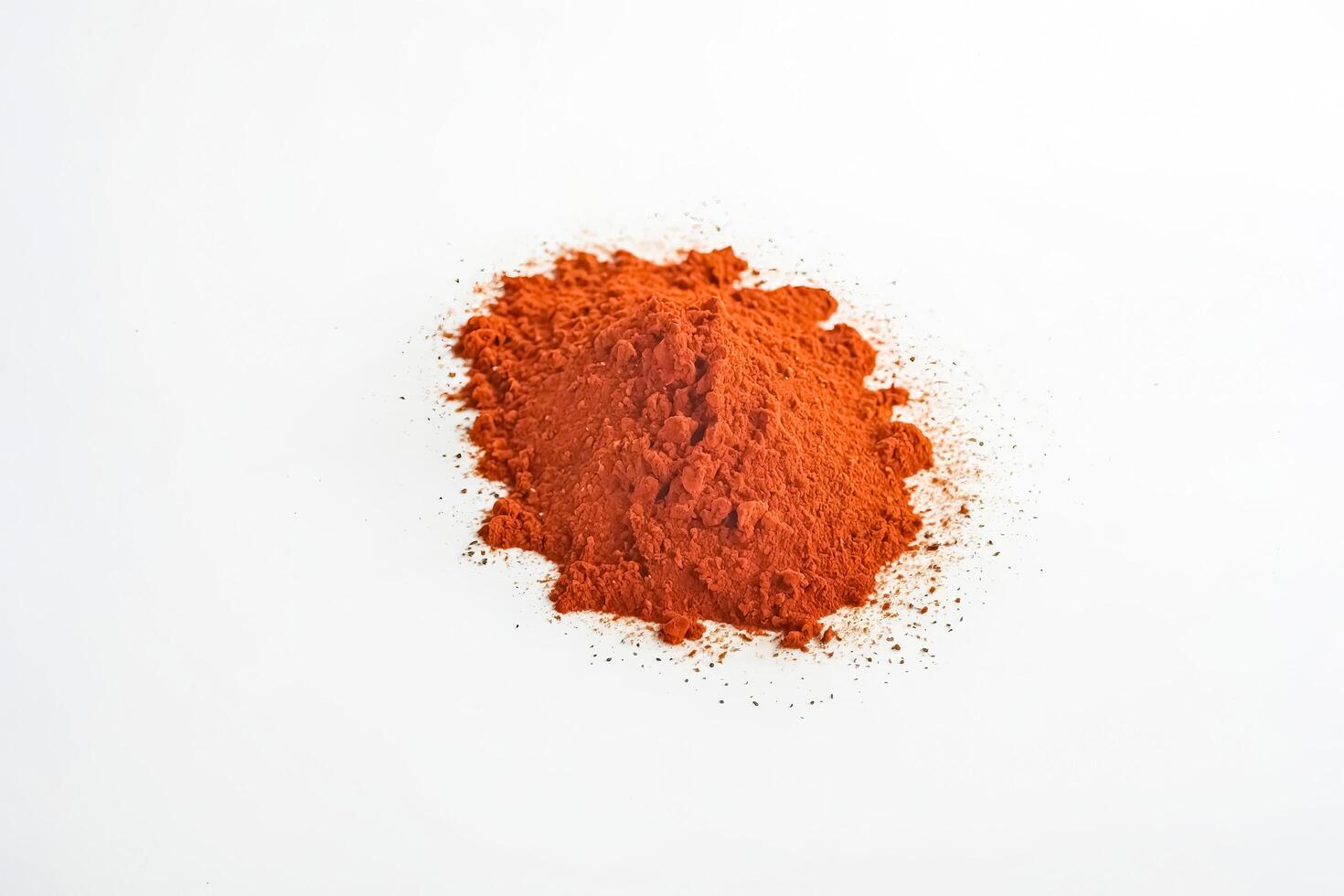
Yes, pure paprika is gluten-free as it is made from ground dried peppers and contains no wheat, barley, rye, or other gluten-containing ingredients. However, it’s always important to check the label of any spice blend or seasoning mix containing paprika, as other added ingredients could potentially contain gluten.
Quick Tips
1Rich in antioxidants, particularly carotenoids and vitamins A and E
2May help reduce inflammation in the body
3Supports eye health due to its high vitamin A content
# In This Article
3 sectionsQuick navigation to each section of this article:
Benefits of Paprika
| Benefits of Paprika |
|---|
| Rich in antioxidants, particularly carotenoids and vitamins A and E |
| May help reduce inflammation in the body |
| Supports eye health due to its high vitamin A content |
| Potentially aids in reducing the risk of certain cancers |
| May help lower blood sugar levels |
| Supports heart health by potentially lowering cholesterol levels |
| Boosts the immune system due to its high vitamin C content |
| May improve digestion and gut health |
| Helps in iron absorption when consumed with iron-rich foods |
| Can contribute to healthy skin due to its vitamin content |
| May have antimicrobial properties |
| Supports bone health due to its vitamin K content |
| Could potentially aid in weight management as part of a balanced diet |
| May have mood-enhancing properties due to its capsaicin contentRemember that the intensity of these benefits can vary depending on the type of paprika (sweet, hot, smoked) and the quantity consumed. |
Who should avoid Paprika
| Who should avoid Paprika |
|---|
| People with allergies to nightshade plants (e.g., bell peppers, tomatoes, eggplants) |
| Individuals with gastrointestinal issues like irritable bowel syndrome (IBS) or acid reflux, as spices can sometimes trigger symptoms |
| Those with a known allergy to paprika specifically |
| People taking certain medications that interact with vitamin K, as paprika contains small amounts of this vitamin |
| Individuals with capsaicin sensitivity, especially for hot paprika varieties |
| Those with heartburn or GERD (Gastroesophageal reflux disease), as spicy foods can exacerbate symptoms |
| People on blood-thinning medications, as paprika may affect blood clotting |
| Individuals preparing for certain medical procedures or surgeries, as advised by their doctor |
| Young children, in large amounts, due to its potential spiciness |
| Those with peptic ulcers, as spices can irritate the digestive tractIt’s always best to consult with a healthcare professional if you have concerns about consuming paprika, especially if you have any existing health conditions or are taking medications. |
Related Gluten Free Products
Here are five gluten-free options similar to Paprika, along with short descriptions:
| Related Gluten Free Products |
|---|
| Turmeric: A bright yellow spice with a warm, earthy flavor and anti-inflammatory properties. It's commonly used in Indian and Middle Eastern cuisine and can add color and depth to various dishes. |
| Saffron: An expensive, vibrant red spice with a distinct floral aroma and slightly sweet taste. It's often used in Mediterranean and Middle Eastern cooking to add flavor and a golden color to rice dishes and paella. |
| Smoked Paprika: Also known as pimentón, this Spanish spice offers a smoky flavor profile in addition to the sweet pepper taste of regular paprika. It's great for adding depth to meat rubs, stews, and sauces. |
| Cayenne Pepper: A hot, spicy red pepper powder that adds heat and a subtle fruity flavor to dishes. It's commonly used in Mexican, Cajun, and Indian cuisines and can be used to spice up various recipes. |
| Annatto: A seed-based spice with a mild peppery, nutty flavor and vibrant orange-red color. It's often used in Latin American and Caribbean cooking to add color and subtle flavor to rice, meat dishes, and cheeses. |
Health Information
? Frequently Asked Questions
4 questions1 What spices are not gluten free?
2 Is there gluten in McCormick paprika?
3 Is Kroger paprika gluten free?
4 What is in McCormick paprika?
Our Expert
Drs. Ilse van Asperen
Orthomolecular Therapist, Nutritional Coach & Professional Editor
Drs. Ilse van Asperen is a medical doctor specialising in orthomolecular therapy and nutritional coaching. With a background in public and clinical health research and management, she focuses on addressing the root causes of health issues through diet, gut health, and stress reduction. As a professional editor for Little Helpers, she reviews all gluten-free content to ensure accuracy, safety, and scientific credibility. Read more on Drs. Ilse van Asperen's own website
Our Sources
The information on this page is based on reputable health and nutrition organisations, ensuring accuracy and reliability for anyone following a gluten-free diet. For further details, see the sources below.