Is Pie Crust Gluten Free?

Is Pie Crust Gluten Free?

Traditional pie crust is not gluten-free as it is typically made with wheat flour, which contains gluten. However, gluten-free pie crusts can be made using alternative flours such as almond flour, coconut flour, or gluten-free flour blends specifically designed for baking.

TL;DR

Traditional pie crust is not gluten-free as it is typically made with wheat flour, which contains gluten. However, gluten-free pie crusts can be made using alternative flours such as almond flour, coconut flour, or gluten-free flour blends specifically designed for baking.

Quick Tips

1

Source of complex carbohydrates: Pie crust made with whole wheat flour can provide complex carbohydrates for energy.

2

Fiber content: Whole grain crusts can contribute to daily fiber intake, which aids digestion.

3

Essential minerals: Crusts made with whole grains may contain small amounts of essential minerals like iron, magnesium, and zinc.

# In This Article

3 sections

Quick navigation to each section of this article:

1 Benefits of Pie Crust

Source of complex carbohydrates: Pie crust made with whole wheat flour can provide complex carbohydrates for energy.

Jump
2 Who should avoid Pie Crust

Those with celiac disease or gluten sensitivity (if the crust contains wheat flour)

Jump
3 Gluten Free Alternatives

Here are five gluten-free alternatives to traditional pie crust, along with short descriptions:

Jump

Benefits of Pie Crust

Benefits of Pie Crust
Source of complex carbohydrates: Pie crust made with whole wheat flour can provide complex carbohydrates for energy.
Fiber content: Whole grain crusts can contribute to daily fiber intake, which aids digestion.
Essential minerals: Crusts made with whole grains may contain small amounts of essential minerals like iron, magnesium, and zinc.
Healthy fats: If made with olive oil or other plant-based oils, pie crust can provide some heart-healthy unsaturated fats.
Potential for nutrient fortification: Some commercially prepared pie crusts may be fortified with vitamins and minerals.
Gluten-free options: For those with celiac disease or gluten sensitivity, gluten-free pie crusts can be a safe alternative.
Versatility for healthier fillings: Pie crust can be a vessel for nutritious fruit or vegetable fillings.
Moderate calorie content: When portion-controlled, pie crust can be part of a balanced diet.
Potential antioxidants: If made with ingredients like dark chocolate or nuts, some antioxidants may be present.It’s important to note that pie crust is typically high in calories and saturated fat, so these potential benefits should be weighed against its overall nutritional profile. Moderation is key when including pie crust in a healthy diet.

Who should avoid Pie Crust

Who should avoid Pie Crust
Those with celiac disease or gluten sensitivity (if the crust contains wheat flour)
Individuals with diabetes or on low-carb diets (due to high carbohydrate content)
People following a low-fat diet (as many pie crusts are high in saturated fats)
Those with nut allergies (if the crust contains nuts or is processed in a facility with nuts)
Individuals on a low-calorie diet for weight management
People with egg allergies (if the crust recipe includes eggs)
Those following a vegan diet (if the crust contains animal products like butter or lard)
Individuals with certain food intolerances or sensitivities (e.g., to dairy if the crust contains milk products)
People with specific religious or cultural dietary restrictions (depending on ingredients)
Those following a raw food diet (as pie crust is typically baked)Remember that alternatives like gluten-free, low-fat, or vegan pie crusts are available for some of these groups.
ENJOY YOUR FAVORITE FOODS FEARLESSLY!
Don’t let gluten hold you back. Take Anti-Gluten Pills before your meal and enjoy peace of mind.
SHOP ANTI-GLUTEN PILLS
Clinically proven · Up to 86% gluten reduction · Fast acting

Gluten Free Alternatives

Here are five gluten-free alternatives to traditional pie crust, along with short descriptions:

Gluten Free Alternatives
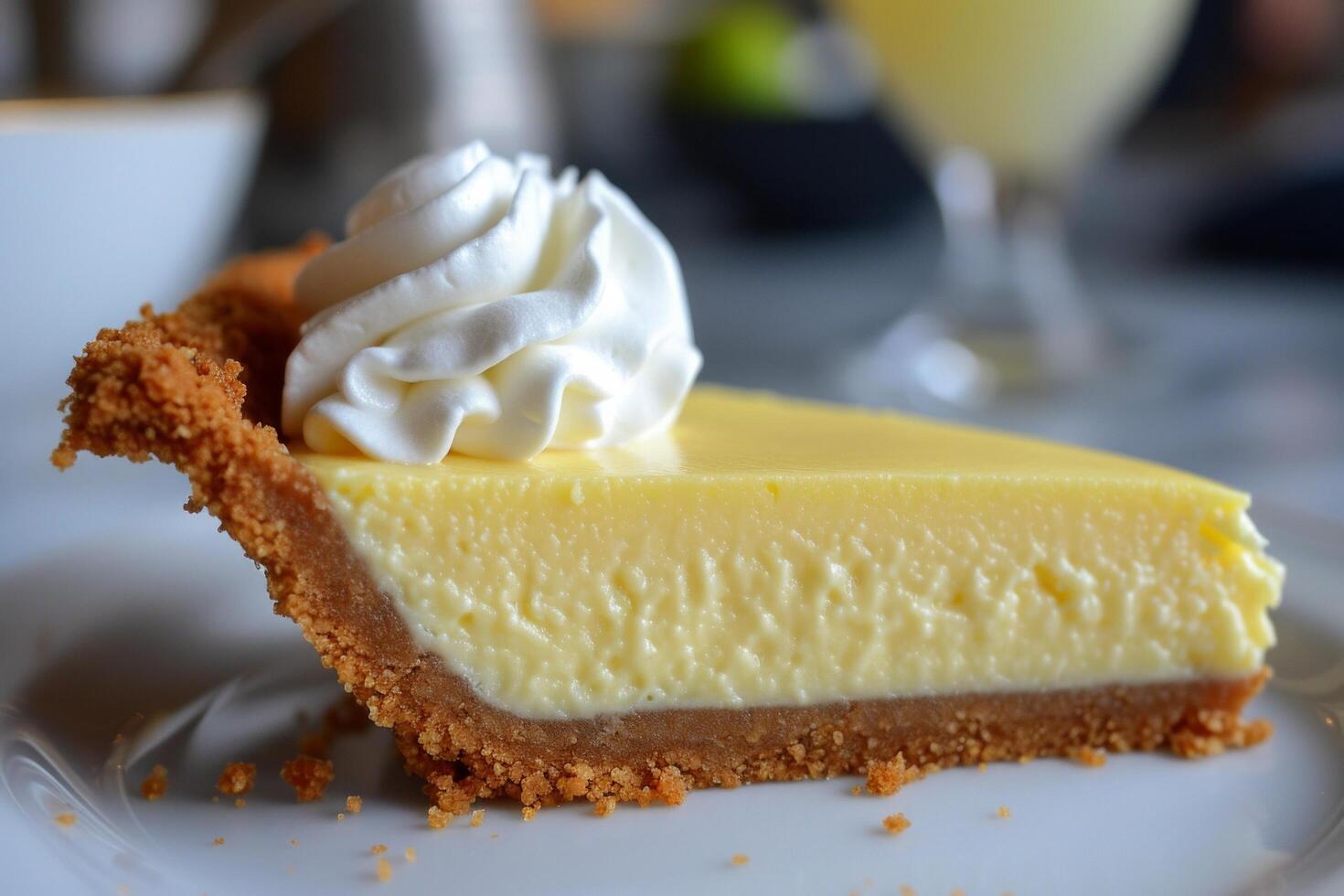
Cookie crumb crust:Made from crushed gluten-free cookies (like graham crackers or ginger snaps) mixed with melted butter. This option works well for no-bake pies and cheesecakes, offering a sweet and crunchy base.
Coconut crust:A mixture of shredded coconut, coconut oil, and a small amount of sweetener. This crust provides a tropical flavor and pairs well with fruit-based or custard pies.
Oat crust:Using certified gluten-free oats ground into flour, combined with butter and sweetener. This alternative offers a hearty, slightly nutty flavor and works well for both sweet and savory pies.
Rice flour crust:A blend of rice flour, butter, and xanthan gum to mimic the texture of traditional wheat flour crusts. This option provides a neutral flavor and can be used for a wide variety of pies, closely resembling the texture of a classic crust.

Health Information

? Frequently Asked Questions

4 questions
1 Does pie pastry contain gluten?
Most traditional pie pastry does contain gluten. This is because it's typically made with wheat flour, which naturally contains gluten proteins. However, there are gluten-free alternatives available for those with celiac disease or gluten sensitivity. These alternatives often use flours made from rice, almond, or other gluten-free grains and starches.
2 Is Pillsbury pie crust gluten-free?
Pillsbury's standard pie crusts are not gluten-free. They contain wheat flour as a primary ingredient. However, Pillsbury does offer a gluten-free pie and pastry dough product. For those with gluten sensitivities or celiac disease, it's important to carefully check labels and choose specifically labeled gluten-free options.
3 What is pie crust made of?
Pie crust is typically made of flour, fat, water, and salt. The fat component can be butter, shortening, lard, or a combination of these. Some recipes may include additional ingredients like sugar or egg for flavor or texture. The ingredients are mixed together to form a dough, which is then rolled out and shaped into a crust for the pie.
4 Does Trader Joe's sell gluten-free pie crust?
Yes, Trader Joe's does sell gluten-free pie crust. They offer a frozen gluten-free pie crust that comes in a pack of two. This product is made with rice flour and is suitable for those with gluten sensitivities or celiac disease. However, availability may vary by location and season, so it's best to check with your local store.
LIVE GLUTEN-FREE WITHOUT THE FUSS!
Introducing Tolerase® G, clinically proven to reduce up to 86% of gluten in under 10 minutes. Experience the freedom to eat what you love.
SHOP ANTI-GLUTEN PILLS
150mg pure Tolerase® G · Reduces gluten by 86% · Under 10 minutes

Our Expert

Drs. Ilse van Asperen, Orthomolecular Therapist and Nutritional Coach

Drs. Ilse van Asperen

Orthomolecular Therapist, Nutritional Coach & Professional Editor

Drs. Ilse van Asperen is a medical doctor specialising in orthomolecular therapy and nutritional coaching. With a background in public and clinical health research and management, she focuses on addressing the root causes of health issues through diet, gut health, and stress reduction. As a professional editor for Little Helpers, she reviews all gluten-free content to ensure accuracy, safety, and scientific credibility. Read more on Drs. Ilse van Asperen's own website

Our Sources

The information on this page is based on reputable health and nutrition organisations, ensuring accuracy and reliability for anyone following a gluten-free diet. For further details, see the sources below.
Sources

Similar Articles

Back to blog