Is Rice Bran Gluten Free?

Is Rice Bran Gluten Free?

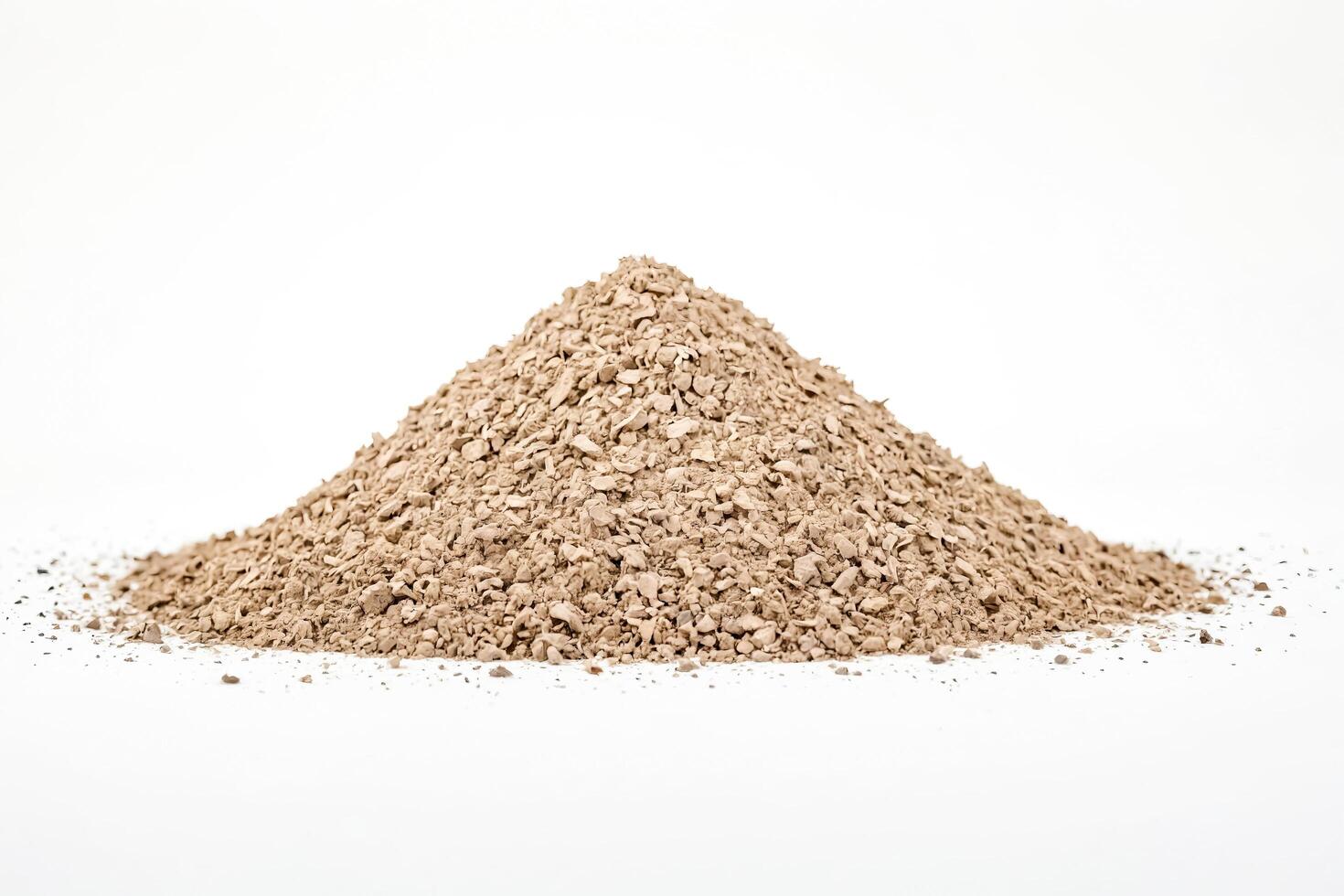
Rice bran is naturally gluten-free as it comes from rice, which does not contain gluten. However, it’s important to check product labels or verify with manufacturers to ensure there’s no cross-contamination during processing, especially if you have celiac disease or severe gluten sensitivity.

TL;DR

Rice bran is naturally gluten-free as it comes from rice, which does not contain gluten. However, it’s important to check product labels or verify with manufacturers to ensure there’s no cross-contamination during processing, especially if you have celiac disease or severe gluten sensitivity.

Quick Tips

1

Rich in antioxidants: Contains powerful antioxidants like oryzanol, tocotrienols, and ferulic acid

2

Heart health: May help lower cholesterol levels and reduce the risk of cardiovascular disease

3

Blood sugar control: Can help regulate blood sugar levels, beneficial for diabetics

# In This Article

3 sections

Quick navigation to each section of this article:

1 Benefits of Rice Bran

Rich in antioxidants: Contains powerful antioxidants like oryzanol, tocotrienols, and ferulic acid

Jump
2 Who should avoid Rice Bran

People with celiac disease or gluten sensitivity: While rice bran itself is gluten-free, cross-contamination during processing may occur.

Jump
3 Related Gluten Free Products

Here are five gluten-free options similar to Rice Bran, along with short descriptions:

Jump

Benefits of Rice Bran

Benefits of Rice Bran
Rich in antioxidants: Contains powerful antioxidants like oryzanol, tocotrienols, and ferulic acid
Heart health: May help lower cholesterol levels and reduce the risk of cardiovascular disease
Blood sugar control: Can help regulate blood sugar levels, beneficial for diabetics
Weight management: High fiber content promotes feelings of fullness and may aid in weight loss
Digestive health: Fiber content supports healthy digestion and regular bowel movements
Cancer prevention: Some studies suggest potential anti-cancer properties
Immune system support: Contains nutrients that may boost immune function
Skin health: Rich in vitamins and antioxidants that can promote healthy skin
Bone health: Contains minerals like calcium and magnesium that support bone density
Anti-inflammatory properties: May help reduce inflammation in the body
Liver health: Some studies indicate potential liver-protective effects
Energy boost: Rich in B-vitamins that help convert food into energy
Brain health: Contains nutrients that may support cognitive function
Hormone balance: May help balance hormones, particularly in menopausal womenRemember that while rice bran offers these potential benefits, it’s always best to consult with a healthcare professional before making significant changes to your diet.

Who should avoid Rice Bran

Who should avoid Rice Bran
People with celiac disease or gluten sensitivity: While rice bran itself is gluten-free, cross-contamination during processing may occur.
Individuals with digestive issues: Rice bran is high in fiber and may exacerbate symptoms for those with irritable bowel syndrome (IBS) or other digestive disorders.
People taking certain medications: Rice bran may interfere with the absorption of some medications, including blood thinners like warfarin.
Those with a history of kidney stones: Rice bran is high in oxalates, which can contribute to kidney stone formation in susceptible individuals.
People with iron deficiency: Rice bran contains phytic acid, which can inhibit iron absorption.
Individuals with compromised immune systems: Raw or unprocessed rice bran may contain harmful bacteria.
Those on a low-fiber diet: Rice bran is high in fiber and may not be suitable for people who need to limit their fiber intake.
People with rice allergies: Although rare, some individuals may be allergic to rice and its byproducts.
Those on calorie-restricted diets: Rice bran is calorie-dense and may not fit into some weight loss plans.
Individuals with mineral imbalances: Rice bran can affect the absorption of certain minerals, potentially exacerbating existing imbalances.Always consult with a healthcare professional before making significant changes to your diet, especially if you have pre-existing health conditions or concerns.
ENJOY YOUR FAVORITE FOODS FEARLESSLY!
Don’t let gluten hold you back. Take Anti-Gluten Pills before your meal and enjoy peace of mind.
SHOP ANTI-GLUTEN PILLS
Clinically proven · Up to 86% gluten reduction · Fast acting

Here are five gluten-free options similar to Rice Bran, along with short descriptions:

Related Gluten Free Products
Oat Bran: A high-fiber outer layer of the oat groat, rich in beta-glucans and known for its cholesterol-lowering properties. Ensure it's certified gluten-free to avoid cross-contamination.
Corn Bran: The outer layer of corn kernels, high in insoluble fiber and antioxidants. It adds a slightly sweet, corn-like flavor to baked goods and can be used as a coating for fried foods.
Flaxseed Meal: Ground flaxseeds that are rich in omega-3 fatty acids, lignans, and fiber. It has a nutty flavor and can be used as an egg substitute in baking.
Psyllium Husk: A soluble fiber derived from plantain seeds, known for its ability to absorb water and promote digestive health. It's often used as a binder in gluten-free baking.
Coconut Flour: Made from dried, ground coconut meat, this flour is high in fiber and protein. It has a slightly sweet flavor and is often used in gluten-free and low-carb baking, though it requires more liquid than traditional flours.

Health Information

? Frequently Asked Questions

4 questions
1 What kind of bran is gluten-free?
Gluten-free bran options include rice bran, corn bran, and oat bran (if certified gluten-free). Coconut bran is another gluten-free alternative that is gaining popularity. It's important to note that wheat bran, which is commonly used, contains gluten and should be avoided by those with gluten sensitivities or celiac disease. Always check labels carefully to ensure the bran product is certified gluten-free if you have gluten-related health concerns.
2 Why is rice not gluten-free?
Rice is actually gluten-free. It does not contain the proteins found in wheat, barley, and rye that make up gluten. Rice is considered a safe grain for those with celiac disease or gluten sensitivity. The confusion may arise when rice is processed in facilities that also handle gluten-containing grains, potentially leading to cross-contamination.
3 Is bran bad for celiac?
Bran is generally not recommended for people with celiac disease. It contains gluten, which can trigger severe reactions in those with celiac. Individuals with celiac disease need to strictly avoid all sources of gluten, including bran from wheat, rye, and barley. However, gluten-free bran alternatives made from rice or corn may be safe options for those with celiac disease who want to increase their fiber intake.
4 Is rice bran oil inflammatory?
Rice bran oil is generally considered to have anti-inflammatory properties. It contains compounds like oryzanol and tocotrienols that may help reduce inflammation in the body. Some studies have shown that rice bran oil can lower inflammatory markers in humans and animals. However, more research is needed to fully understand its effects on inflammation in different populations and conditions.
LIVE GLUTEN-FREE WITHOUT THE FUSS!
Introducing Tolerase® G, clinically proven to reduce up to 86% of gluten in under 10 minutes. Experience the freedom to eat what you love.
SHOP ANTI-GLUTEN PILLS
150mg pure Tolerase® G · Reduces gluten by 86% · Under 10 minutes

Our Expert

Drs. Ilse van Asperen, Orthomolecular Therapist and Nutritional Coach

Drs. Ilse van Asperen

Orthomolecular Therapist, Nutritional Coach & Professional Editor

Drs. Ilse van Asperen is a medical doctor specialising in orthomolecular therapy and nutritional coaching. With a background in public and clinical health research and management, she focuses on addressing the root causes of health issues through diet, gut health, and stress reduction. As a professional editor for Little Helpers, she reviews all gluten-free content to ensure accuracy, safety, and scientific credibility. Read more on Drs. Ilse van Asperen's own website

Our Sources

The information on this page is based on reputable health and nutrition organisations, ensuring accuracy and reliability for anyone following a gluten-free diet. For further details, see the sources below.

Sources

Similar Articles

Back to blog