Share
TL;DR
Yes, salted butter is generally gluten-free. Pure butter, whether salted or unsalted, is made from milk or cream and does not contain gluten unless additives or flavorings that contain gluten are mixed in, which is rare for standard salted butter.
Quick Tips
1Source of fat-soluble vitamins: Butter contains vitamins A, D, E, and K2, which are essential for various bodily functions.
2Contains beneficial fatty acids: Butter has short and medium-chain fatty acids, which can be easily metabolized for energy.
3Provides conjugated linoleic acid (CLA): CLA may have anti-cancer and anti-inflammatory properties.
# In This Article
3 sectionsQuick navigation to each section of this article:
1 Benefits of Salted Butter
Source of fat-soluble vitamins: Butter contains vitamins A, D, E, and K2, which are essential for various bodily functions.
Jump2 Who should avoid Salted Butter
Individuals with high blood pressure or hypertension
Jump3 Related Gluten Free Products
Here are five gluten-free options similar to Salted Butter, along with short descriptions:
JumpBenefits of Salted Butter
| Benefits of Salted Butter |
|---|
| Source of fat-soluble vitamins: Butter contains vitamins A, D, E, and K2, which are essential for various bodily functions. |
| Contains beneficial fatty acids: Butter has short and medium-chain fatty acids, which can be easily metabolized for energy. |
| Provides conjugated linoleic acid (CLA): CLA may have anti-cancer and anti-inflammatory properties. |
| Contains butyrate: This short-chain fatty acid may support gut health and reduce inflammation. |
| Helps with nutrient absorption: The fat in butter can aid in the absorption of fat-soluble vitamins from other foods. |
| Provides a feeling of satiety: The fat content can help you feel full and satisfied after eating. |
| Source of minerals: Butter contains small amounts of minerals like calcium, phosphorus, and selenium. |
| May support brain health: The saturated fats in butter are important for brain function. |
| Potential cardiovascular benefits: Some studies suggest moderate butter consumption may not increase heart disease risk. |
| Provides sodium: The salt in salted butter can help maintain electrolyte balance, though moderation is key.Note: While butter does have some health benefits, it is high in calories and saturated fat, so it should be consumed in moderation as part of a balanced diet. |
Who should avoid Salted Butter
| Who should avoid Salted Butter |
|---|
| Individuals with high blood pressure or hypertension |
| People with heart disease or at high risk for cardiovascular problems |
| Those with kidney disease or kidney-related issues |
| Individuals on a low-sodium diet as prescribed by their doctor |
| People with edema or fluid retention problems |
| Those with a history of stroke or at high risk for stroke |
| Individuals with osteoporosis (high sodium intake can increase calcium loss) |
| People with stomach ulcers or gastric issues aggravated by salt |
| Those with Meniere’s disease (a disorder of the inner ear) |
| Individuals with severe liver disease |
| People who are obese or trying to lose weight (due to high calorie content) |
| Those with a family history of heart disease or hypertension who are trying to prevent these conditionsRemember, it’s always best to consult with a healthcare professional or registered dietitian for personalized advice regarding dietary restrictions or modifications. |
Related Gluten Free Products
Here are five gluten-free options similar to Salted Butter, along with short descriptions:
| Related Gluten Free Products |
|---|
| Ghee: A type of clarified butter originating from India, ghee is made by simmering butter to remove water and milk solids. It has a nutty flavor and is often used in cooking and baking. |
| Coconut Oil: A plant-based fat extracted from coconuts, coconut oil is solid at room temperature and has a mild, sweet flavor. It's versatile for both cooking and baking. |
| Avocado: Though not a spread like butter, mashed avocado can be used as a creamy, gluten-free alternative in many dishes. It's rich in healthy fats and has a mild, buttery taste. |
| Olive Oil: A liquid fat pressed from olives, olive oil is a staple in Mediterranean cuisine. It comes in various flavors and can be used for cooking, baking, and as a spread on bread. |
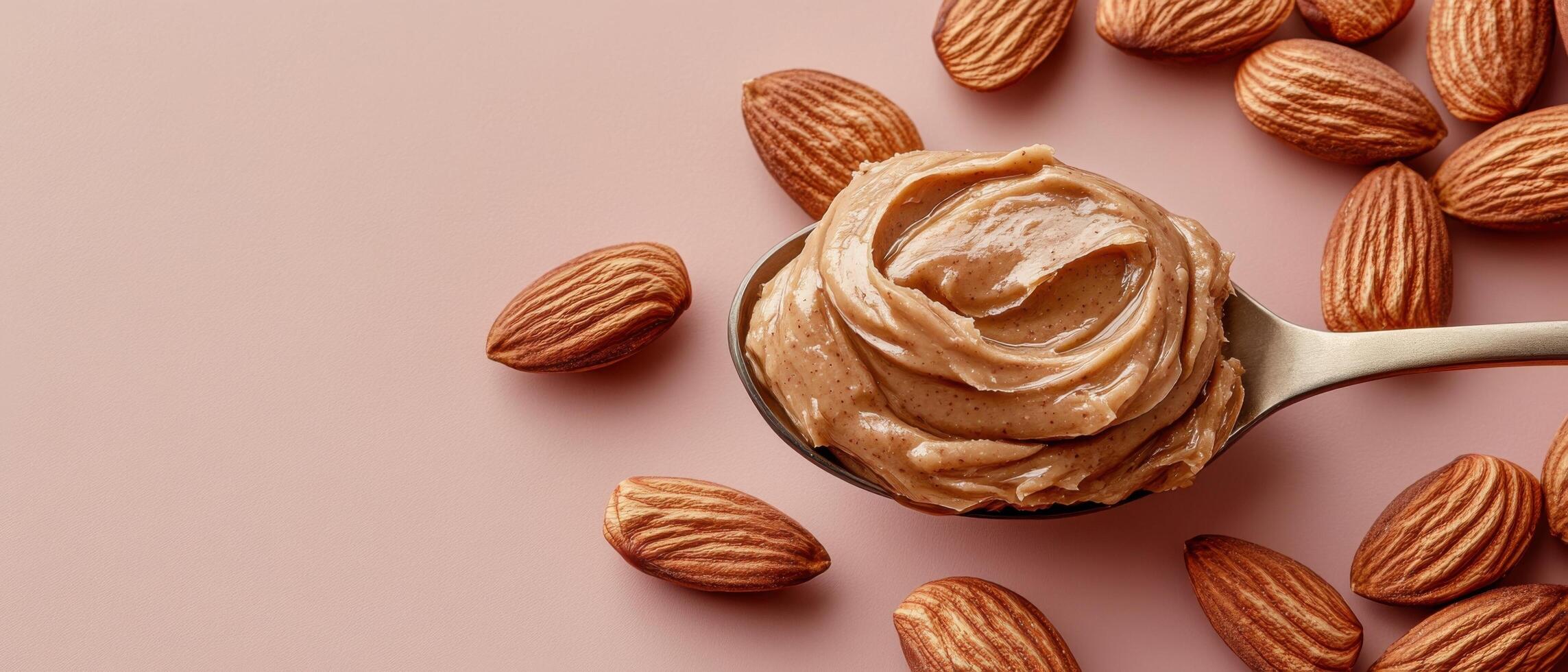
| Nut Butters: Made from ground nuts like almonds, cashews, or peanuts, these spreads offer a creamy texture and rich flavor. They're high in protein and healthy fats, making them a nutritious alternative to butter. |
Health Information
? Frequently Asked Questions
4 questions1 Is real salted butter gluten free?
2 What butter is not gluten-free?
3 Can a celiac eat butter?
4 Which brands of butter are gluten-free?
Our Expert
Drs. Ilse van Asperen
Orthomolecular Therapist, Nutritional Coach & Professional Editor
Drs. Ilse van Asperen is a medical doctor specialising in orthomolecular therapy and nutritional coaching. With a background in public and clinical health research and management, she focuses on addressing the root causes of health issues through diet, gut health, and stress reduction. As a professional editor for Little Helpers, she reviews all gluten-free content to ensure accuracy, safety, and scientific credibility. Read more on Drs. Ilse van Asperen's own website
Our Sources
The information on this page is based on reputable health and nutrition organisations, ensuring accuracy and reliability for anyone following a gluten-free diet. For further details, see the sources below.