Is Shrimp Gluten Free?

Is Shrimp Gluten Free?

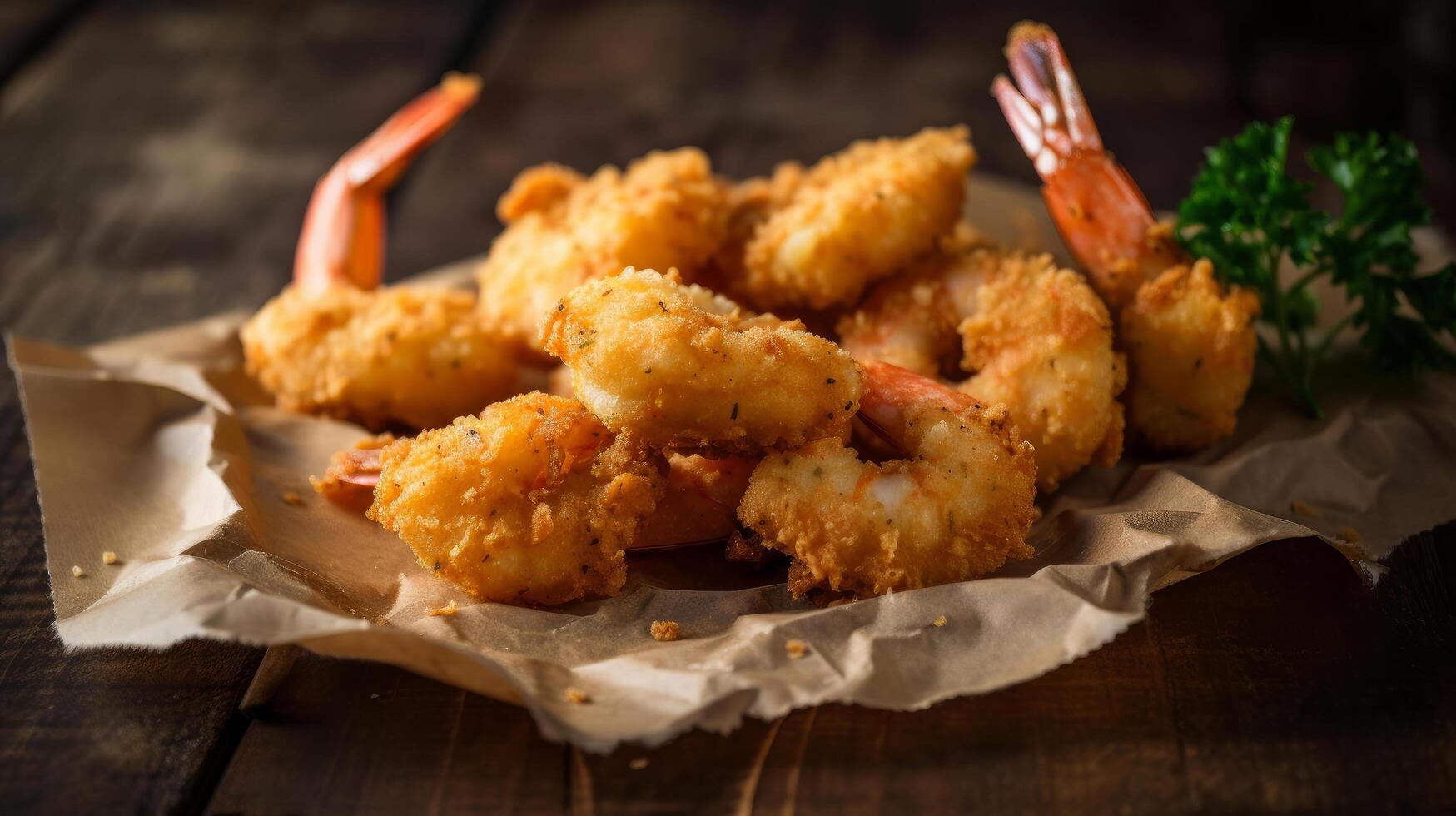
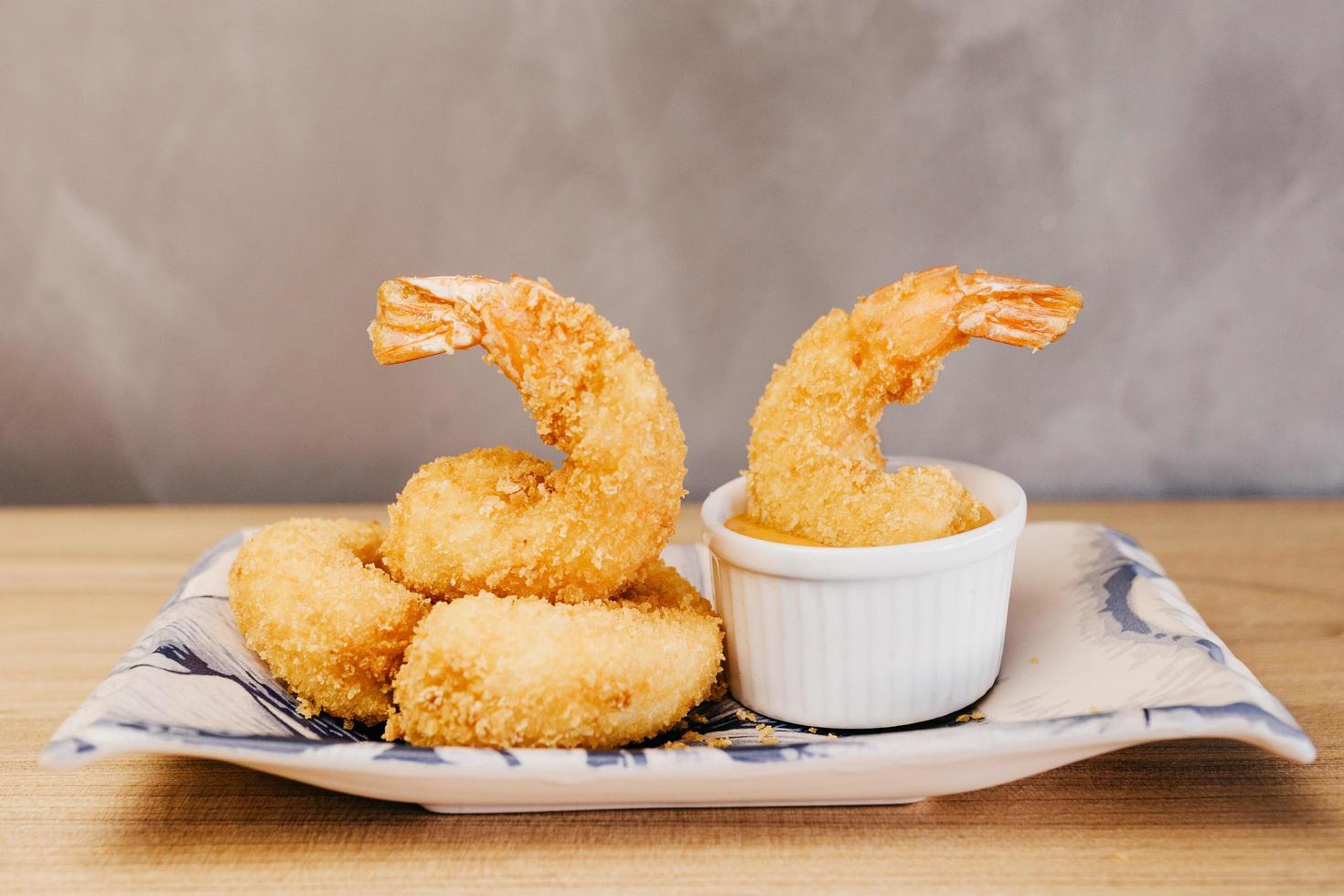
Yes, shrimp is naturally gluten-free as it is a type of seafood and does not contain any wheat, barley, rye, or other gluten-containing grains. However, it’s important to be cautious of any marinades, breadings, or sauces that may be added to shrimp dishes, as these could potentially contain gluten.

TL;DR

Yes, shrimp is naturally gluten-free as it is a type of seafood and does not contain any wheat, barley, rye, or other gluten-containing grains. However, it’s important to be cautious of any marinades, breadings, or sauces that may be added to shrimp dishes, as these could potentially contain gluten.

Quick Tips

1

Low in calories, high in protein: Shrimp is an excellent lean protein source with relatively few calories.

2

Rich in omega-3 fatty acids: These essential fats support heart and brain health.

3

Good source of iodine: Important for proper thyroid function and metabolism.

# In This Article

3 sections

Quick navigation to each section of this article:

1 Benefits of Shrimp

Low in calories, high in protein: Shrimp is an excellent lean protein source with relatively few calories.

Jump
2 Who should avoid Shrimp

People with shellfish allergies: Shrimp is a common allergen and can cause severe reactions in those with shellfish allergies.

Jump
3 Related Gluten Free Products

Here are five gluten-free options similar to shrimp, along with short descriptions:

Jump

Benefits of Shrimp

Benefits of Shrimp
Low in calories, high in protein: Shrimp is an excellent lean protein source with relatively few calories.
Rich in omega-3 fatty acids: These essential fats support heart and brain health.
Good source of iodine: Important for proper thyroid function and metabolism.
Contains antioxidants: Astaxanthin, a powerful antioxidant, may help reduce inflammation and oxidative stress.
High in selenium: A mineral that acts as an antioxidant and supports immune function.
Provides vitamin B12: Essential for nerve function and the formation of red blood cells.
Contains zinc: Important for immune function and wound healing.
Source of iron: Helps prevent anemia and supports oxygen transport in the body.
Offers phosphorus: Contributes to bone health and energy metabolism.
Contains choline: Supports brain function and development.
Low in saturated fat: Makes it a heart-healthy protein option.
Provides astaxanthin: May help improve skin elasticity and reduce signs of aging.
Contains copper: Important for forming red blood cells and maintaining nerve cells and the immune system.Remember that while shrimp offers these benefits, it’s also relatively high in cholesterol, so individuals with certain health conditions should consume it in moderation.

Who should avoid Shrimp

Who should avoid Shrimp
People with shellfish allergies: Shrimp is a common allergen and can cause severe reactions in those with shellfish allergies.
Individuals with iodine allergies: Some people with iodine allergies may react to shrimp due to its high iodine content.
Those with gout or at risk for gout: Shrimp is high in purines, which can exacerbate gout symptoms.
People taking blood thinners: Shrimp is high in omega-3 fatty acids, which can interact with blood-thinning medications.
Individuals with a history of cardiovascular disease: Shrimp is high in cholesterol, though its effect on heart health is debated.
Pregnant women (in some cases): While cooked shrimp is generally safe, pregnant women should avoid raw or undercooked shrimp due to the risk of foodborne illness.
People with compromised immune systems: They should be cautious about consuming raw or undercooked shrimp due to the risk of bacterial contamination.
Those on a low-sodium diet: Shrimp naturally contains sodium, and many prepared shrimp dishes are high in added salt.
Individuals concerned about environmental or ethical issues: Some people avoid shrimp due to concerns about farming practices or overfishing.Always consult with a healthcare provider for personalized dietary advice.
ENJOY YOUR FAVORITE FOODS FEARLESSLY!
Don’t let gluten hold you back. Take Anti-Gluten Pills before your meal and enjoy peace of mind.
SHOP ANTI-GLUTEN PILLS
Clinically proven · Up to 86% gluten reduction · Fast acting

Here are five gluten-free options similar to shrimp, along with short descriptions:

Related Gluten Free Products
Scallops: Tender, sweet-tasting shellfish with a delicate texture, often pan-seared or grilled for optimal flavor.
Lobster: Premium seafood with firm, slightly sweet meat, typically steamed or grilled and often served with melted butter.
Crab: Delicate, flaky meat with a sweet and briny flavor, available in various forms such as legs, claws, or lump meat.
Mussels: Small, tender shellfish with a slightly sweet and briny taste, often steamed in flavorful broths or used in seafood stews.
Oysters: Briny, mineral-rich shellfish that can be eaten raw, grilled, or baked, known for their unique texture and oceanic flavor.These options are naturally gluten-free and offer similar nutritional benefits to shrimp, being high in protein and low in saturated fat.

Health Information

? Frequently Asked Questions

4 questions
1 Is there gluten in shrimp?
Shrimp itself does not naturally contain gluten. Gluten is a protein found in wheat, barley, and rye. However, some packaged or prepared shrimp products may contain gluten due to added ingredients or processing methods. It's important to check labels carefully if you have gluten sensitivities or celiac disease.
2 Can I eat shrimp if I have celiac disease?
Yes, people with celiac disease can generally eat shrimp. Shrimp is naturally gluten-free, as it is a protein source from the sea. However, it's important to be cautious about how the shrimp is prepared, as some seasonings or breadings may contain gluten. Always check labels and ask about preparation methods when eating shrimp at restaurants to ensure it remains gluten-free.
3 Can celiacs eat shellfish?
Celiacs can generally eat shellfish safely. Shellfish are naturally gluten-free and do not contain the proteins that trigger celiac disease reactions. However, celiacs should be cautious of potential cross-contamination during preparation or cooking. It's also important to avoid shellfish dishes that may contain gluten-containing ingredients like breading or certain sauces.
4 What foods are high in gluten?
Gluten is primarily found in wheat and wheat-based products. Other grains that contain gluten include barley, rye, and triticale. Common foods high in gluten are bread, pasta, cereals, baked goods, and many processed foods that use wheat flour as an ingredient. Beer and some other alcoholic beverages made from gluten-containing grains also typically contain gluten.
LIVE GLUTEN-FREE WITHOUT THE FUSS!
Introducing Tolerase® G, clinically proven to reduce up to 86% of gluten in under 10 minutes. Experience the freedom to eat what you love.
SHOP ANTI-GLUTEN PILLS
150mg pure Tolerase® G · Reduces gluten by 86% · Under 10 minutes

Our Expert

Drs. Ilse van Asperen, Orthomolecular Therapist and Nutritional Coach

Drs. Ilse van Asperen

Orthomolecular Therapist, Nutritional Coach & Professional Editor

Drs. Ilse van Asperen is a medical doctor specialising in orthomolecular therapy and nutritional coaching. With a background in public and clinical health research and management, she focuses on addressing the root causes of health issues through diet, gut health, and stress reduction. As a professional editor for Little Helpers, she reviews all gluten-free content to ensure accuracy, safety, and scientific credibility. Read more on Drs. Ilse van Asperen's own website

Our Sources

The information on this page is based on reputable health and nutrition organisations, ensuring accuracy and reliability for anyone following a gluten-free diet. For further details, see the sources below.
Sources

Similar Articles

Back to blog