Is Soy Beans Gluten Free?

Is Soy Beans Gluten Free?

Yes, soybeans are naturally gluten-free. They do not contain the proteins found in wheat, barley, and rye that make up gluten.

TL;DR

Yes, soybeans are naturally gluten-free. They do not contain the proteins found in wheat, barley, and rye that make up gluten.

Quick Tips

1

High in protein: Soybeans are an excellent source of plant-based protein, containing all essential amino acids.

2

Heart health: May help lower cholesterol levels and reduce the risk of cardiovascular diseases.

3

Rich in antioxidants: Contains isoflavones, which have antioxidant properties that may help prevent certain cancers.

# In This Article

3 sections

Quick navigation to each section of this article:

1 Benefits of S Soy Beans

High in protein: Soybeans are an excellent source of plant-based protein, containing all essential amino acids.

Jump
2 Who should avoid S Soy Beans

People with soy allergies: Soy is one of the eight most common food allergens.

Jump
3 Related Gluten Free Products

Here are five gluten-free options similar to soy beans, along with short descriptions:

Jump

Benefits of S Soy Beans

Benefits of S Soy Beans
High in protein: Soybeans are an excellent source of plant-based protein, containing all essential amino acids.
Heart health: May help lower cholesterol levels and reduce the risk of cardiovascular diseases.
Rich in antioxidants: Contains isoflavones, which have antioxidant properties that may help prevent certain cancers.
Bone health: Contains calcium and isoflavones that may help maintain bone density and reduce the risk of osteoporosis.
Menopause symptoms: May help alleviate hot flashes and other menopausal symptoms due to its phytoestrogen content.
Weight management: High fiber and protein content can help promote feelings of fullness and aid in weight control.
Blood sugar regulation: May help improve insulin sensitivity and glucose metabolism.
Digestive health: Contains fiber that supports healthy digestion and promotes beneficial gut bacteria.
Skin health: Rich in antioxidants and vitamins that may contribute to healthier skin.
Brain function: Contains compounds that may support cognitive function and potentially reduce the risk of age-related cognitive decline.
Anti-inflammatory properties: May help reduce inflammation in the body, which is linked to various chronic diseases.
Nutrient-dense: Good source of vitamins and minerals, including folate, vitamin K, copper, manganese, and iron.Remember that while soybeans offer many potential health benefits, it’s important to consume them as part of a balanced diet and consult with a healthcare professional if you have any specific health concerns.

Who should avoid S Soy Beans

Who should avoid S Soy Beans
People with soy allergies: Soy is one of the eight most common food allergens.
Individuals with thyroid disorders: Soy contains compounds that may interfere with thyroid function, especially in those with existing thyroid issues.
Those with hormone-sensitive conditions: Soy contains phytoestrogens, which may affect hormone levels and potentially impact conditions like breast cancer, endometriosis, or uterine fibroids.
People taking certain medications: Soy can interact with some medications, such as thyroid hormone replacement drugs or blood thinners like warfarin.
Individuals with FODMAP sensitivities: Soybeans are high in FODMAPs, which can cause digestive issues for some people.
Those with gout or at risk for gout: Soybeans are high in purines, which can exacerbate gout symptoms.
Infants with milk allergies or sensitivities: Soy-based infant formulas may not be suitable alternatives for all babies.
People with kidney stones: The high oxalate content in soybeans may increase the risk of kidney stone formation in susceptible individuals.
Those concerned about GMOs: Many soybeans are genetically modified, which some people prefer to avoid.Always consult with a healthcare professional before making significant dietary changes, especially if you have underlying health conditions or concerns.
ENJOY YOUR FAVORITE FOODS FEARLESSLY!
Don’t let gluten hold you back. Take Anti-Gluten Pills before your meal and enjoy peace of mind.
SHOP ANTI-GLUTEN PILLS
Clinically proven · Up to 86% gluten reduction · Fast acting

Here are five gluten-free options similar to soy beans, along with short descriptions:

Related Gluten Free Products
Chickpeas (Garbanzo beans): Round, beige-colored legumes with a nutty flavor and creamy texture. High in protein and fiber, they're versatile for use in salads, curries, and can be ground into flour.
Lentils: Small, lens-shaped legumes available in various colors (green, brown, red). Quick-cooking, protein-rich, and ideal for soups, stews, and salads. They're also a good source of iron and fiber.
Quinoa: A seed that's cooked like a grain, quinoa is a complete protein source. It has a slightly nutty flavor and fluffy texture, making it great for salads, side dishes, or as a base for bowls.
Amaranth: Tiny, protein-packed seeds with a slightly peppery taste. When cooked, they have a creamy, porridge-like consistency. Amaranth can be used in both sweet and savory dishes.
Buckwheat: Despite its name, buckwheat is not related to wheat and is gluten-free. It has a strong, earthy flavor and can be used as a grain alternative in various dishes or ground into flour for baking.

Health Information

? Frequently Asked Questions

4 questions
1 Can celiacs eat soybeans?
Yes, celiacs can generally eat soybeans. Soybeans are naturally gluten-free and considered safe for people with celiac disease. However, it's important to ensure that the soybeans or soy products are not cross-contaminated with gluten-containing grains during processing or preparation. Always check labels and choose certified gluten-free soy products to be on the safe side.
2 Why is soy not gluten-free?
Soy is naturally gluten-free. The confusion arises because soy is often processed in facilities that also handle wheat and other gluten-containing grains, leading to potential cross-contamination. Additionally, some soy-based products may contain added gluten or wheat-derived ingredients. To ensure a soy product is truly gluten-free, it's important to check labels and look for certified gluten-free options.
3 What beans are not gluten-free?
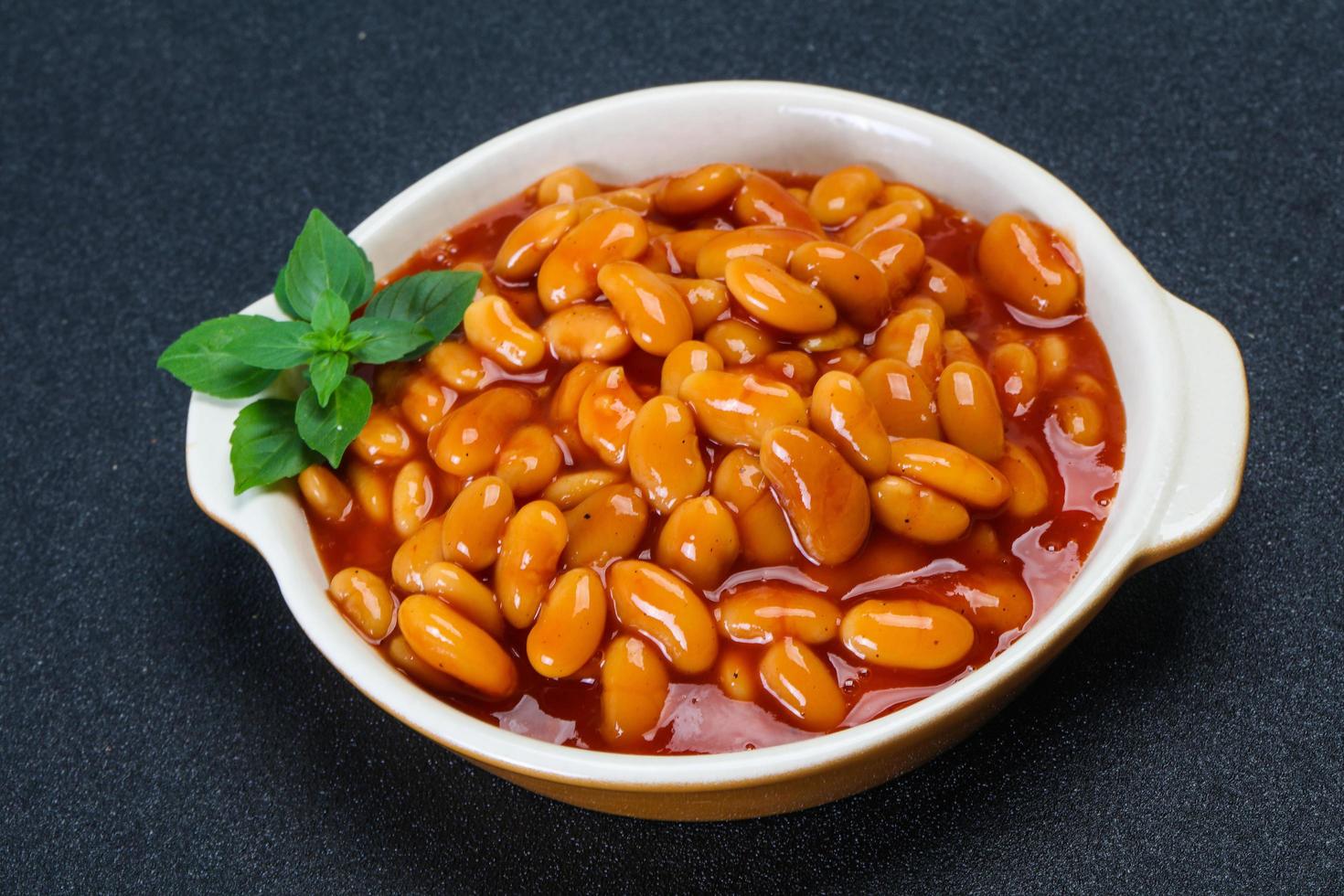
All pure beans are naturally gluten-free. However, some canned or pre-packaged bean products may contain gluten due to additives or cross-contamination during processing. Baked beans often contain gluten from added ingredients like malt vinegar or wheat flour. Always check labels carefully if you need to avoid gluten.
4 Is soybean oil ok for celiacs?
Soybean oil is generally considered safe for people with celiac disease. It is highly processed and does not contain gluten proteins. However, some celiacs may still react to trace amounts of soy protein that could remain in the oil. As with any dietary concern, it's best to consult with a doctor or dietitian for personalized advice.
LIVE GLUTEN-FREE WITHOUT THE FUSS!
Introducing Tolerase® G, clinically proven to reduce up to 86% of gluten in under 10 minutes. Experience the freedom to eat what you love.
SHOP ANTI-GLUTEN PILLS
150mg pure Tolerase® G · Reduces gluten by 86% · Under 10 minutes

Our Expert

Drs. Ilse van Asperen, Orthomolecular Therapist and Nutritional Coach

Drs. Ilse van Asperen

Orthomolecular Therapist, Nutritional Coach & Professional Editor

Drs. Ilse van Asperen is a medical doctor specialising in orthomolecular therapy and nutritional coaching. With a background in public and clinical health research and management, she focuses on addressing the root causes of health issues through diet, gut health, and stress reduction. As a professional editor for Little Helpers, she reviews all gluten-free content to ensure accuracy, safety, and scientific credibility. Read more on Drs. Ilse van Asperen's own website

Our Sources

The information on this page is based on reputable health and nutrition organisations, ensuring accuracy and reliability for anyone following a gluten-free diet. For further details, see the sources below.
Sources

Similar Articles

Back to blog