Share
TL;DR
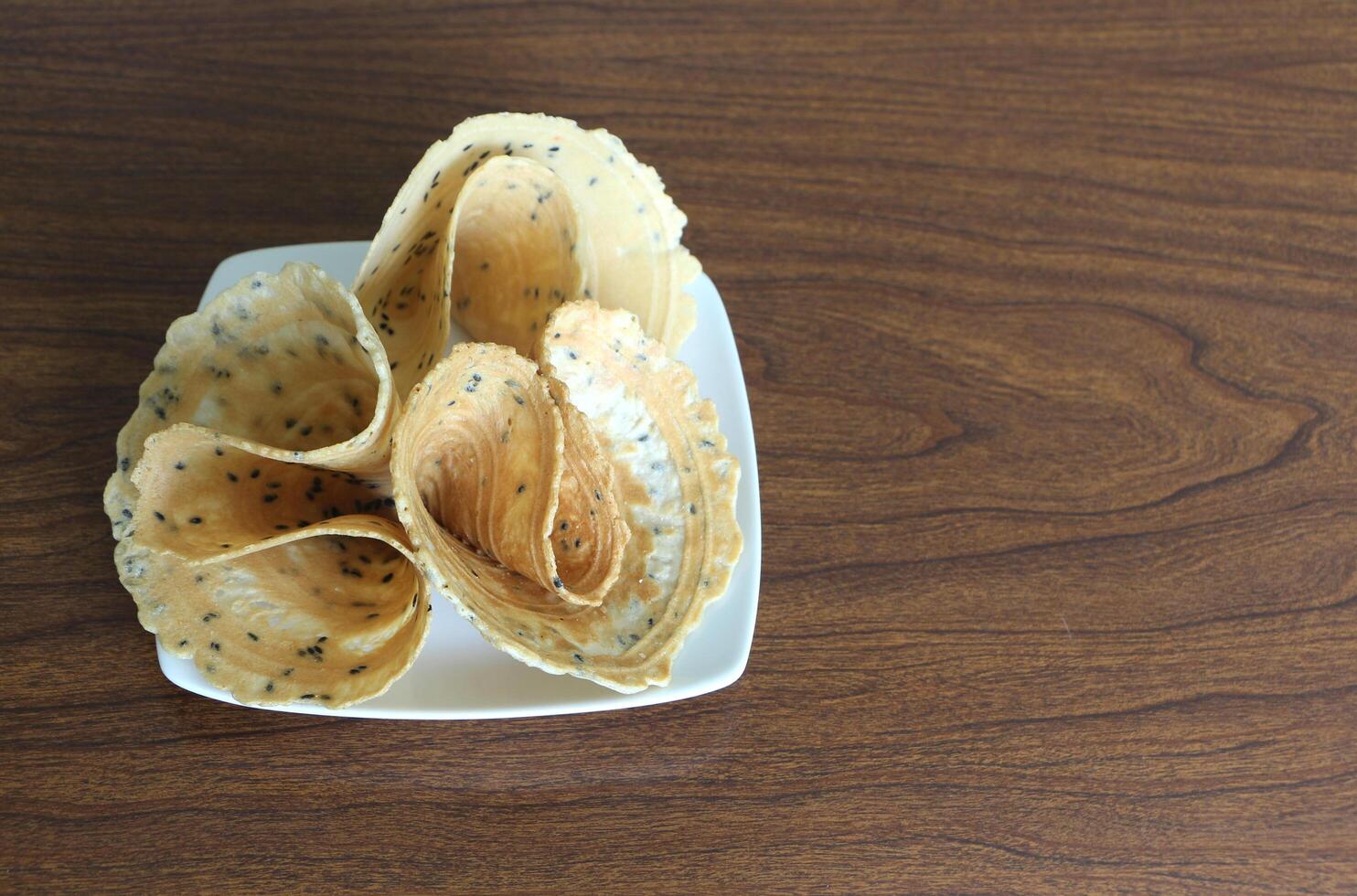
Soybean paper is typically gluten-free as it is made primarily from soybean pulp and does not contain wheat, barley, or rye. However, it’s always best to check with the specific manufacturer to confirm, as processing methods or additional ingredients could potentially introduce gluten contamination in some cases.
Quick Tips
1Reduced exposure to chemicals: Soybean paper typically requires fewer chemicals in its production compared to traditional paper, potentially reducing exposure to harmful substances.
2Lower allergen risk: For individuals with wood or tree allergies, soybean paper may be a safer alternative.
3Biodegradable: Being biodegradable, soybean paper may contribute to a healthier environment, indirectly benefiting human health.
# In This Article
3 sectionsQuick navigation to each section of this article:
1 Benefits of Soybean Paper
Reduced exposure to chemicals: Soybean paper typically requires fewer chemicals in its production compared to traditional paper, potentially reducing exposure to harmful substances.
Jump2 Who should avoid Soybean Paper
People with soy allergies: Those with known soy allergies should avoid soybean paper to prevent allergic reactions.
Jump3 Related Gluten Free Products
Here are five similar gluten-free options to Soybean Paper, along with short descriptions:
JumpBenefits of Soybean Paper
| Benefits of Soybean Paper |
|---|
| Reduced exposure to chemicals: Soybean paper typically requires fewer chemicals in its production compared to traditional paper, potentially reducing exposure to harmful substances. |
| Lower allergen risk: For individuals with wood or tree allergies, soybean paper may be a safer alternative. |
| Biodegradable: Being biodegradable, soybean paper may contribute to a healthier environment, indirectly benefiting human health. |
| Renewable resource: Soybeans are a renewable resource, which can lead to more sustainable practices and potentially healthier ecosystems. |
| Reduced deforestation: Using soybeans instead of trees for paper production may help preserve forests, which play a crucial role in maintaining air quality and combating climate change. |
| Potential antimicrobial properties: Some studies suggest that soy-based products may have natural antimicrobial properties, though more research is needed to confirm this for soybean paper specifically. |
| Non-toxic: Soybean paper is generally considered non-toxic, making it safer for various applications, including food packaging.It’s important to note that while these points suggest potential health benefits, more research is needed to definitively establish direct health advantages of using soybean paper over traditional paper products. |
Who should avoid Soybean Paper
| Who should avoid Soybean Paper |
|---|
| People with soy allergies: Those with known soy allergies should avoid soybean paper to prevent allergic reactions. |
| Individuals with soy sensitivities: Some people may have non-allergic sensitivities to soy and should be cautious. |
| Those with thyroid issues: Soy contains compounds that can interfere with thyroid function, so individuals with thyroid disorders should consult their doctor. |
| People on certain medications: Soy can interact with some medications, such as thyroid hormone replacement drugs or blood thinners. |
| Individuals with hormone-sensitive conditions: Due to soy’s phytoestrogen content, those with hormone-sensitive conditions like certain types of breast cancer should consult their doctor. |
| Infants with milk allergies: Some infants with cow’s milk allergies may also react to soy proteins. |
| People with gout: Soy contains purines, which can exacerbate gout symptoms in some individuals. |
| Those following specific diets: Some diets, such as the paleo diet or certain elimination diets, may restrict soy consumption. |
| Individuals concerned about GMOs: If the soybean paper is made from genetically modified soybeans, those avoiding GMOs should be cautious. |
| People with compromised immune systems: In rare cases, products made from raw soybeans may contain harmful bacteria, so immunocompromised individuals should be cautious.It’s important to note that for most people, occasional exposure to soybean paper is unlikely to cause issues. However, if you have concerns, it’s best to consult with a healthcare professional. |
Related Gluten Free Products
Here are five similar gluten-free options to Soybean Paper, along with short descriptions:
| Related Gluten Free Products |
|---|
| Rice Paper:Thin, translucent sheets made from rice flour, water, and salt. Commonly used in Vietnamese cuisine for spring rolls and wraps. It's pliable when moistened and has a neutral flavor. |
| Corn Husks:Dried corn husks used in Mexican cuisine, particularly for wrapping tamales. They're not eaten but provide a natural, gluten-free wrapper for steaming foods. |
| Nori Sheets:Dried seaweed sheets commonly used in Japanese cuisine for sushi rolls. They're naturally gluten-free, rich in minerals, and add a distinct umami flavor to dishes. |
| Banana Leaves:Large, flexible leaves used in various Asian and tropical cuisines for wrapping and steaming foods. They impart a subtle flavor and aroma to the dishes they encase. |
| Lettuce Wraps:Fresh, crisp lettuce leaves used as a low-carb, gluten-free alternative to bread or wraps. They're commonly used in Asian-inspired dishes and provide a refreshing crunch. |
Health Information
? Frequently Asked Questions
4 questions1 Does soybean paper have gluten?
2 Is soybean gluten-free?
3 Are spring roll paper gluten-free?
4 Is all rice paper gluten-free?
Our Expert
Drs. Ilse van Asperen
Orthomolecular Therapist, Nutritional Coach & Professional Editor
Drs. Ilse van Asperen is a medical doctor specialising in orthomolecular therapy and nutritional coaching. With a background in public and clinical health research and management, she focuses on addressing the root causes of health issues through diet, gut health, and stress reduction. As a professional editor for Little Helpers, she reviews all gluten-free content to ensure accuracy, safety, and scientific credibility. Read more on Drs. Ilse van Asperen's own website
Our Sources
The information on this page is based on reputable health and nutrition organisations, ensuring accuracy and reliability for anyone following a gluten-free diet. For further details, see the sources below.