Share
TL;DR
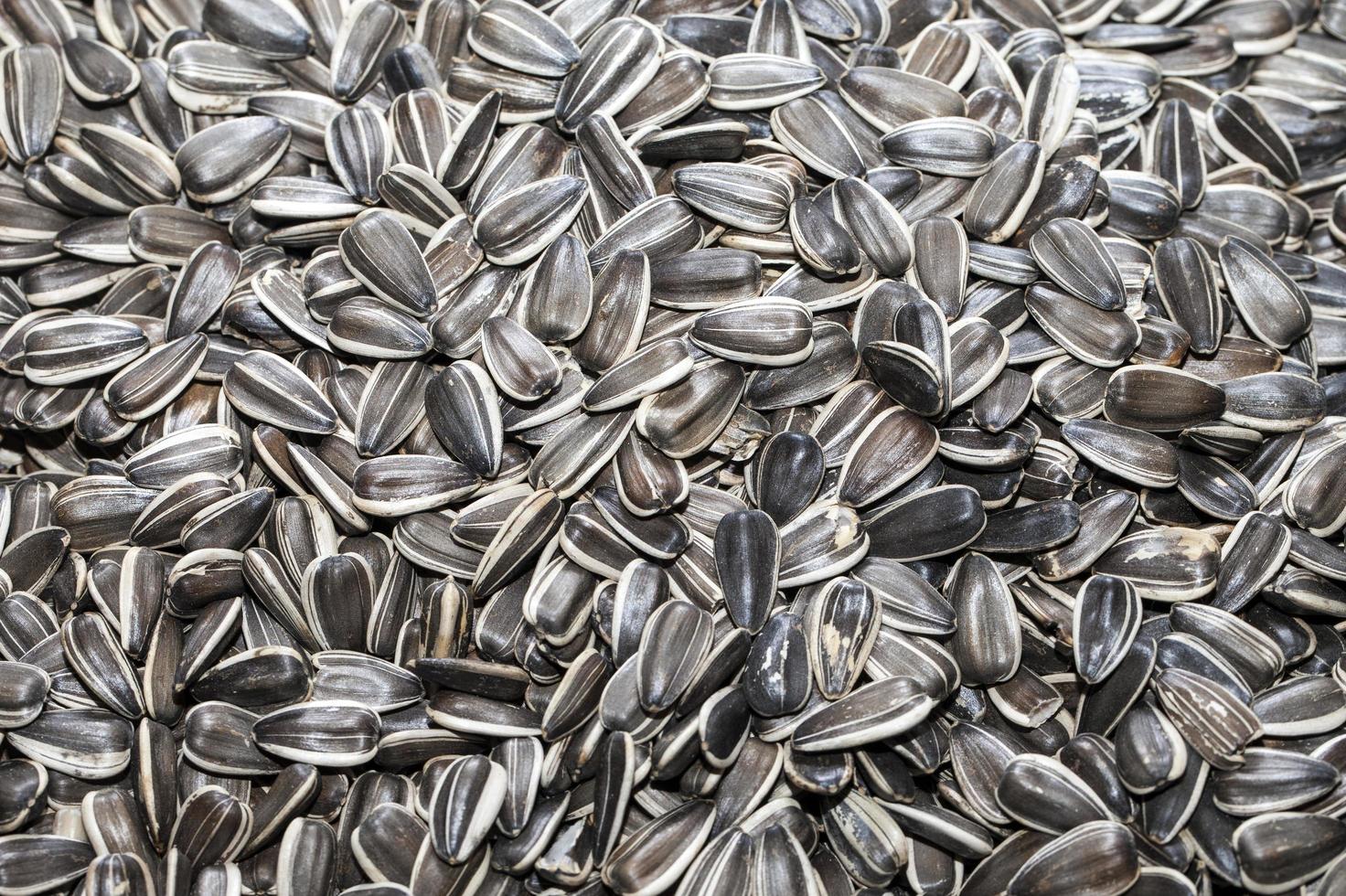
Yes, sunflower oil is gluten-free. It is derived from sunflower seeds, which do not contain gluten, and the oil extraction process does not introduce any gluten-containing ingredients.
Quick Tips
1High in Vitamin E: A powerful antioxidant that supports immune function and skin health
2Contains heart-healthy unsaturated fats: Mainly polyunsaturated and monounsaturated fats
3May help lower cholesterol: Can reduce LDL (bad) cholesterol when used in place of saturated fats
# In This Article
3 sectionsQuick navigation to each section of this article:
1 Benefits of Sunflower Oil
High in Vitamin E: A powerful antioxidant that supports immune function and skin health
Jump2 Who should avoid Sunflower Oil
People with a sunflower seed allergy
Jump3 Related Gluten Free Products
Here are five similar gluten-free options to Sunflower Oil, along with short descriptions:
JumpBenefits of Sunflower Oil
| Benefits of Sunflower Oil |
|---|
| High in Vitamin E: A powerful antioxidant that supports immune function and skin health |
| Contains heart-healthy unsaturated fats: Mainly polyunsaturated and monounsaturated fats |
| May help lower cholesterol: Can reduce LDL (bad) cholesterol when used in place of saturated fats |
| Rich in omega-6 fatty acids: Important for brain function and normal growth and development |
| May help control blood sugar levels: Can improve insulin sensitivity in people with type 2 diabetes |
| Supports skin health: Can help maintain skin hydration and may protect against sun damage |
| Anti-inflammatory properties: May help reduce inflammation in the body |
| Good source of phytosterols: Plant compounds that can help lower cholesterol absorption |
| May improve digestion: Can help in the absorption of fat-soluble vitamins and minerals |
| Potential cancer-fighting properties: Some studies suggest it may have anti-cancer effects |
| Supports bone health: Contains vitamins and minerals that contribute to bone strength |
| May boost energy levels: Provides a good source of calories and essential fatty acidsRemember that while sunflower oil has these potential benefits, it should be consumed in moderation as part of a balanced diet. |
Who should avoid Sunflower Oil
| Who should avoid Sunflower Oil |
|---|
| People with a sunflower seed allergy |
| Individuals with a history of inflammatory conditions, as sunflower oil is high in omega-6 fatty acids |
| Those following a low-fat diet, as sunflower oil is calorie-dense |
| People with cardiovascular issues, due to the oil’s high content of polyunsaturated fats |
| Individuals prone to oxidative stress, as sunflower oil can oxidize easily when heated |
| Those trying to balance their omega-3 to omega-6 ratio in their diet |
| People with certain autoimmune disorders, as high omega-6 intake may exacerbate symptoms |
| Individuals with a history of gallbladder issues or gallstones |
| Those following specific diets that restrict seed oils (e.g., Paleo or certain autoimmune protocols) |
| People with compromised liver function, as the liver processes fats |
| Individuals with a history of pancreatitisIt’s important to note that moderate consumption of sunflower oil is generally considered safe for most people. However, those with specific health concerns should consult with a healthcare professional or registered dietitian for personalized advice. |
Related Gluten Free Products
Here are five similar gluten-free options to Sunflower Oil, along with short descriptions:
| Related Gluten Free Products |
|---|
| Olive Oil- A heart-healthy oil derived from olives, rich in monounsaturated fats and antioxidants. It has a distinctive flavor and is commonly used in Mediterranean cuisine. |
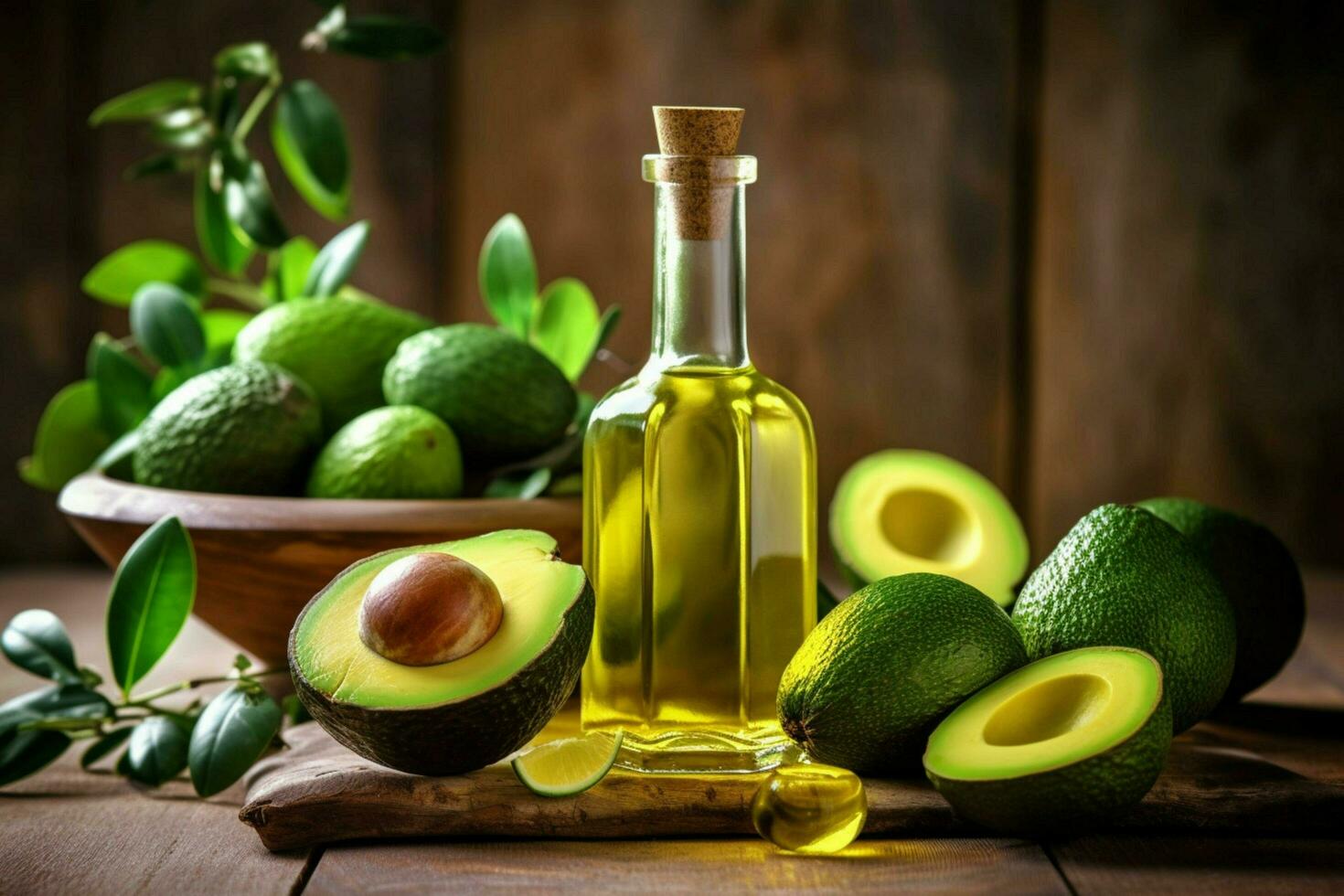
| Avocado Oil- Extracted from avocados, this oil is high in monounsaturated fats and has a high smoke point. It has a mild, buttery flavor and is versatile for cooking and beauty applications. |
| Coconut Oil- Derived from coconut meat, this oil is high in saturated fats and medium-chain triglycerides. It has a distinct coconut flavor and is solid at room temperature, making it suitable for baking and cooking. |
| Grapeseed Oil- Pressed from grape seeds, this oil has a high smoke point and a neutral flavor. It's rich in polyunsaturated fats and vitamin E, making it a popular choice for cooking and skincare. |
| Almond Oil- Extracted from almonds, this oil is rich in vitamin E and monounsaturated fats. It has a mild, nutty flavor and is often used in baking, cooking, and as a carrier oil in aromatherapy. |
Health Information
? Frequently Asked Questions
4 questions1 What oil isn't gluten-free?
2 Does sunflower have gluten?
3 Can celiacs use olive oil?
4 Is canned tuna in sunflower oil gluten-free?
Our Expert
Drs. Ilse van Asperen
Orthomolecular Therapist, Nutritional Coach & Professional Editor
Drs. Ilse van Asperen is a medical doctor specialising in orthomolecular therapy and nutritional coaching. With a background in public and clinical health research and management, she focuses on addressing the root causes of health issues through diet, gut health, and stress reduction. As a professional editor for Little Helpers, she reviews all gluten-free content to ensure accuracy, safety, and scientific credibility. Read more on Drs. Ilse van Asperen's own website
Our Sources
The information on this page is based on reputable health and nutrition organisations, ensuring accuracy and reliability for anyone following a gluten-free diet. For further details, see the sources below.