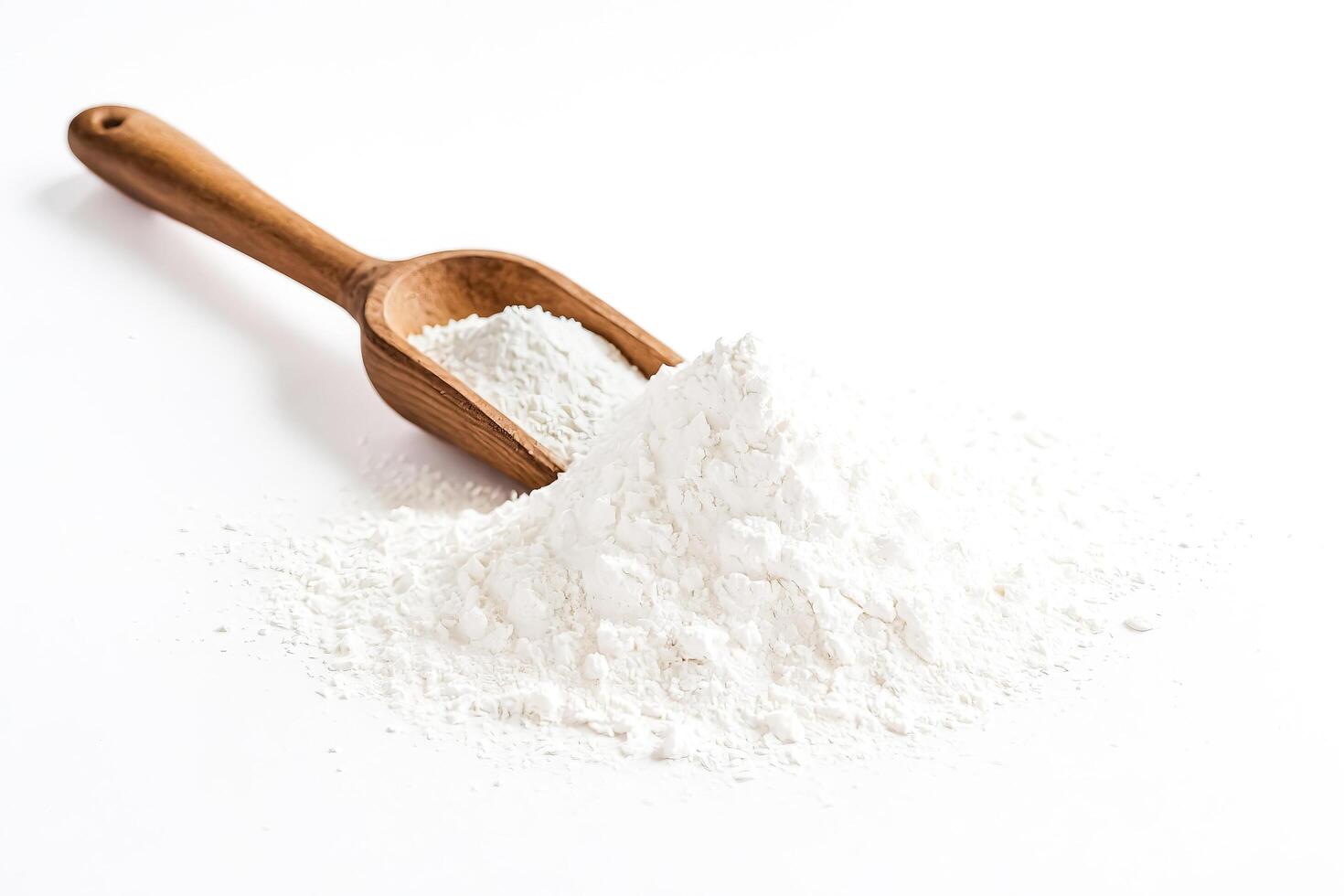
Is Wheat Starch Gluten Free?

Is Wheat Starch Gluten Free?

Wheat starch is generally not considered gluten-free, as it is derived from wheat which contains gluten. However, some highly refined wheat starch products may be labeled as gluten-free if they have been processed to remove gluten to below 20 parts per million, meeting the FDA’s standard for gluten-free labeling.

TL;DR

Wheat starch is generally not considered gluten-free, as it is derived from wheat which contains gluten. However, some highly refined wheat starch products may be labeled as gluten-free if they have been processed to remove gluten to below 20 parts per million, meeting the FDA’s standard for gluten-free labeling.

Quick Tips

1

Low in calories: Wheat starch is a low-calorie food, making it suitable for weight management diets.

2

Gluten-free alternative: When properly processed, wheat starch can be gluten-free, making it a potential option for those with gluten sensitivities.

3

Digestive health: As a resistant starch, it can act as a prebiotic, promoting the growth of beneficial gut bacteria.

# In This Article

3 sections

Quick navigation to each section of this article:

1 Benefits of Wheat Starch

Low in calories: Wheat starch is a low-calorie food, making it suitable for weight management diets.

Jump
2 Who should avoid Wheat Starch

Individuals with celiac disease

Jump
3 Gluten Free Alternatives

Here are five gluten-free alternatives to wheat starch, along with brief descriptions:

Jump

Benefits of Wheat Starch

Benefits of Wheat Starch
Low in calories: Wheat starch is a low-calorie food, making it suitable for weight management diets.
Gluten-free alternative: When properly processed, wheat starch can be gluten-free, making it a potential option for those with gluten sensitivities.
Digestive health: As a resistant starch, it can act as a prebiotic, promoting the growth of beneficial gut bacteria.
Blood sugar management: The slow digestion of resistant starch in wheat starch may help regulate blood sugar levels.
Improved insulin sensitivity: Regular consumption may contribute to improved insulin sensitivity over time.
Increased satiety: Its bulking properties can help you feel fuller for longer, potentially aiding in weight control.
Colon health: As a resistant starch, it may promote colon health by producing beneficial short-chain fatty acids during fermentation.
Energy source: Wheat starch provides a steady source of energy due to its complex carbohydrate structure.
Mineral content: It contains small amounts of essential minerals like iron, zinc, and magnesium.
Versatile nutrient: Can be used in various food preparations without significantly altering nutritional profiles.Remember that these benefits can vary based on individual health conditions and how the wheat starch is processed and consumed. Always consult with a healthcare professional for personalized dietary advice.

Who should avoid Wheat Starch

Who should avoid Wheat Starch
Individuals with celiac disease
People with non-celiac gluten sensitivity
Those with wheat allergies
Individuals following a gluten-free diet for medical reasons
People with dermatitis herpetiformis (a skin condition associated with gluten intolerance)
Those with wheat intolerance
Individuals with irritable bowel syndrome (IBS) who have identified wheat as a trigger
People following specific diets that exclude wheat products (e.g., paleo diet, certain autoimmune protocols)
Those with diagnosed wheat-dependent exercise-induced anaphylaxis
Individuals who experience adverse reactions to wheat consumption, even if not formally diagnosed with an allergy or intoleranceIt’s important to note that while wheat starch is often highly refined and may contain very low levels of gluten, it is still derived from wheat and may not be suitable for those with severe sensitivities or allergies. Always consult with a healthcare professional for personalized advice.
ENJOY YOUR FAVORITE FOODS FEARLESSLY!
Don’t let gluten hold you back. Take Anti-Gluten Pills before your meal and enjoy peace of mind.
SHOP ANTI-GLUTEN PILLS
Clinically proven · Up to 86% gluten reduction · Fast acting

Gluten Free Alternatives

Here are five gluten-free alternatives to wheat starch, along with brief descriptions:

Gluten Free Alternatives
Corn Starch:A fine, powdery starch extracted from corn kernels. It's an excellent thickening agent for sauces, soups, and gravies, and is often used in baking to create a lighter texture in gluten-free goods.
Potato Starch:Derived from potatoes, this starch has a neutral flavor and is great for thickening at lower temperatures. It's commonly used in gluten-free baking to improve texture and moisture retention in baked goods.
Tapioca Starch:Extracted from cassava root, tapioca starch provides a chewy texture and is often used in gluten-free baking to improve the elasticity of doughs. It's also an excellent thickener for sauces and pie fillings.
Arrowroot Starch:A fine, powdery starch extracted from tropical plants. It's flavorless and creates a clear, glossy finish when used as a thickener. Arrowroot is ideal for delicate sauces and can be used in baking to create a tender crumb.
Rice Starch:Made from finely ground rice, this starch has a smooth texture and neutral flavor. It's commonly used in gluten-free baking to improve the texture of baked goods and can also be used as a thickener in sauces and soups.

Health Information

? Frequently Asked Questions

4 questions
1 Is wheat starch safe for celiacs?
Wheat starch that has been processed to remove gluten can be safe for some people with celiac disease. However, it's important to note that not all wheat starch is gluten-free, and even gluten-free wheat starch may contain trace amounts. Individuals with celiac disease should only consume wheat starch that is specifically labeled as gluten-free and certified by a reputable organization. It's always best for celiacs to consult with their healthcare provider before incorporating any new ingredients into their diet.
2 What is wheat starch made of?
Wheat starch is primarily composed of carbohydrates, specifically amylose and amylopectin. It is extracted from wheat grains through a process of milling and separation. The starch granules are isolated from other components of the wheat, such as protein and fiber. Wheat starch is a fine, white powder that is commonly used as a thickening agent in various food products and industrial applications.
3 What starches can celiacs eat?
Celiacs can safely consume starches derived from gluten-free grains and plants. Some options include rice, corn, potatoes, quinoa, and buckwheat. Legumes like beans and lentils also provide starchy carbohydrates that are safe for celiacs. Additionally, gluten-free flours made from ingredients such as almond, coconut, or tapioca can be used as substitutes in cooking and baking.
4 Is wheat starch in Pringles gluten-free?
Wheat starch in Pringles is generally considered gluten-free. This is because the wheat starch used in Pringles undergoes a process that removes most of the gluten proteins. However, it's important to note that while the gluten content is extremely low, it may not be completely zero. Individuals with severe gluten sensitivities or celiac disease should consult with their doctor before consuming products containing wheat starch.
LIVE GLUTEN-FREE WITHOUT THE FUSS!
Introducing Tolerase® G, clinically proven to reduce up to 86% of gluten in under 10 minutes. Experience the freedom to eat what you love.
SHOP ANTI-GLUTEN PILLS
150mg pure Tolerase® G · Reduces gluten by 86% · Under 10 minutes

Our Expert

Drs. Ilse van Asperen, Orthomolecular Therapist and Nutritional Coach

Drs. Ilse van Asperen

Orthomolecular Therapist, Nutritional Coach & Professional Editor

Drs. Ilse van Asperen is a medical doctor specialising in orthomolecular therapy and nutritional coaching. With a background in public and clinical health research and management, she focuses on addressing the root causes of health issues through diet, gut health, and stress reduction. As a professional editor for Little Helpers, she reviews all gluten-free content to ensure accuracy, safety, and scientific credibility. Read more on Drs. Ilse van Asperen's own website

Our Sources

The information on this page is based on reputable health and nutrition organisations, ensuring accuracy and reliability for anyone following a gluten-free diet. For further details, see the sources below.
Sources

Similar Articles

Back to blog