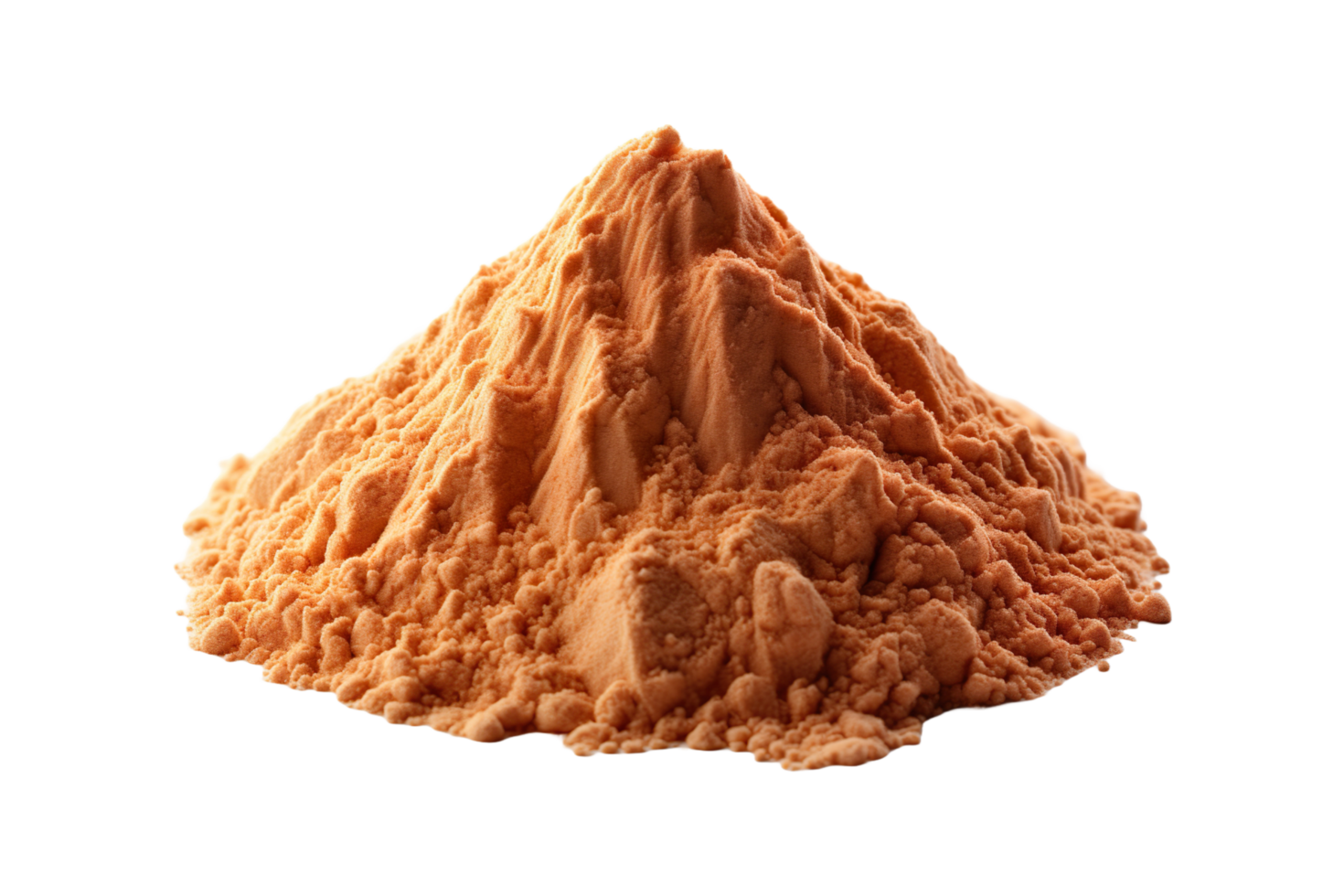
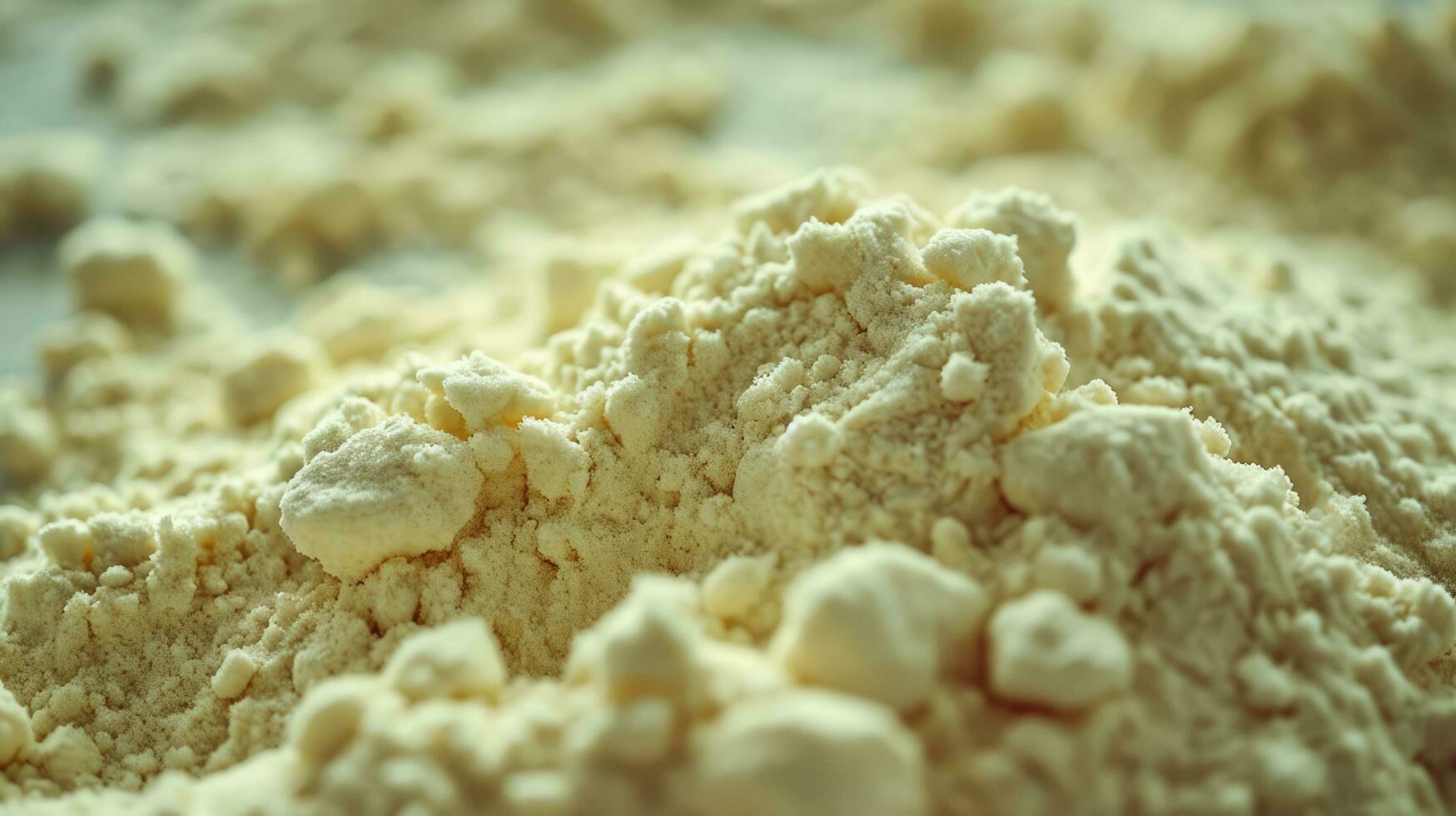
Is Whey Protein Powder Gluten Free?

Is Whey Protein Powder Gluten Free?

Most whey protein powders are naturally gluten-free, as whey is derived from milk and does not contain gluten. However, it’s important to check the label or contact the manufacturer to confirm, as some whey protein products may contain added ingredients that contain gluten or may be processed in facilities that handle gluten-containing foods.

TL;DR

Most whey protein powders are naturally gluten-free, as whey is derived from milk and does not contain gluten. However, it’s important to check the label or contact the manufacturer to confirm, as some whey protein products may contain added ingredients that contain gluten or may be processed in facilities that handle gluten-containing foods.

Quick Tips

1

Muscle growth and maintenance: Provides essential amino acids for muscle protein synthesis

2

Weight management: Promotes feelings of fullness and can aid in weight loss or maintenance

3

Quick recovery after exercise: Helps repair muscle tissue and reduce muscle soreness

# In This Article

3 sections

Quick navigation to each section of this article:

1 Benefits of Whey Protein Powder

Muscle growth and maintenance: Provides essential amino acids for muscle protein synthesis

Jump
2 Who should avoid Whey Protein Powder

Individuals with dairy allergies or lactose intolerance

Jump
3 Related Gluten Free Products

Here are five gluten-free options similar to Whey Protein Powder, along with short descriptions:

Jump

Benefits of Whey Protein Powder

Benefits of Whey Protein Powder
Muscle growth and maintenance: Provides essential amino acids for muscle protein synthesis
Weight management: Promotes feelings of fullness and can aid in weight loss or maintenance
Quick recovery after exercise: Helps repair muscle tissue and reduce muscle soreness
Improved strength and athletic performance: Supports muscle development and energy production
Blood sugar control: May help regulate blood glucose levels
Lowered blood pressure: Some studies suggest it may help reduce hypertension
Reduced inflammation: Contains anti-inflammatory properties
Antioxidant support: Boosts the body’s antioxidant defenses
Healthy aging: Helps maintain muscle mass and strength in older adults
Improved immune function: Contains immunoglobulins that support the immune system
Enhanced bone health: May help increase bone mineral density
Potential cancer-fighting properties: Some research suggests it may have anti-cancer effects
Gut health support: Contains compounds that may benefit digestive health
Lowered cholesterol: May help reduce LDL (bad) cholesterol levels
Wound healing: Provides nutrients that support tissue repair and regenerationRemember that while whey protein can offer these benefits, it’s essential to use it as part of a balanced diet and healthy lifestyle.

Who should avoid Whey Protein Powder

Who should avoid Whey Protein Powder
Individuals with dairy allergies or lactose intolerance
People with kidney problems or at risk for kidney disease
Those with liver disease or impaired liver function
Individuals with a history of gout or at risk for gout
People with osteoporosis or at risk for bone loss
Those on certain medications that may interact with whey protein
Individuals with a history of calcium oxalate kidney stones
Pregnant or breastfeeding women (should consult their doctor first)
Children and adolescents (unless recommended by a healthcare professional)
People with a history of eating disorders
Those with certain gastrointestinal conditions like irritable bowel syndrome (IBS)
Individuals following a vegan or plant-based diet
People with certain autoimmune conditions (should consult their doctor first)
Those who are already consuming high amounts of protein through their regular dietAlways consult with a healthcare professional before adding whey protein or any supplement to your diet, especially if you have any pre-existing health conditions or concerns.
ENJOY YOUR FAVORITE FOODS FEARLESSLY!
Don’t let gluten hold you back. Take Anti-Gluten Pills before your meal and enjoy peace of mind.
SHOP ANTI-GLUTEN PILLS
Clinically proven · Up to 86% gluten reduction · Fast acting

Here are five gluten-free options similar to Whey Protein Powder, along with short descriptions:

Related Gluten Free Products
Pea Protein Powder: Derived from yellow split peas, this plant-based protein is easily digestible and rich in essential amino acids. It's hypoallergenic and suitable for vegans.
Rice Protein Powder: Made from brown rice, this protein powder is gentle on the stomach and has a high protein content. It's ideal for those with dairy or soy allergies.
Hemp Protein Powder: Extracted from hemp seeds, this powder is rich in omega-3 fatty acids and fiber. It has a nutty flavor and contains all nine essential amino acids.
Egg White Protein Powder: Made from dehydrated egg whites, this protein powder is low in fat and carbs. It's an excellent source of complete protein and easily absorbed by the body.
Collagen Protein Powder: Derived from animal connective tissues, collagen protein supports joint health and skin elasticity. It's easily soluble and can be added to various foods and beverages.These options provide alternatives for those seeking gluten-free protein supplements, catering to different dietary needs and preferences.

Health Information

? Frequently Asked Questions

4 questions
1 How can you tell if protein powder is gluten-free?
To determine if protein powder is gluten-free, start by carefully reading the ingredient list on the packaging. Look for explicit "gluten-free" labeling on the product, as many manufacturers will clearly state this if applicable. Be cautious of ingredients like wheat, barley, rye, and oats (unless specified as gluten-free oats), as these commonly contain gluten. If you're still unsure, contact the manufacturer directly to inquire about their gluten-free status and manufacturing processes.
2 Does whey protein cause bloating?
Whey protein can cause bloating in some people. This is often due to lactose intolerance, as whey contains small amounts of lactose. Bloating may also occur if you consume large quantities of protein powder at once. However, many people can consume whey protein without experiencing bloating or other digestive issues.
3 Is whey protein made from wheat?
No, whey protein is not made from wheat. Whey protein is derived from milk during the cheese-making process. It is a byproduct of separating the liquid whey from the solid curds in milk. Whey protein is a complete protein containing all nine essential amino acids.
4 What is the best protein for celiac disease?
For individuals with celiac disease, the best protein sources are those that are naturally gluten-free. This includes lean meats such as chicken, turkey, fish, and beef, as well as eggs and dairy products for those who can tolerate them. Plant-based options like legumes, nuts, and seeds are also excellent choices. It's important to always check labels and ensure that any processed protein sources are certified gluten-free to avoid cross-contamination.
LIVE GLUTEN-FREE WITHOUT THE FUSS!
Introducing Tolerase® G, clinically proven to reduce up to 86% of gluten in under 10 minutes. Experience the freedom to eat what you love.
SHOP ANTI-GLUTEN PILLS
150mg pure Tolerase® G · Reduces gluten by 86% · Under 10 minutes

Our Expert

Drs. Ilse van Asperen, Orthomolecular Therapist and Nutritional Coach

Drs. Ilse van Asperen

Orthomolecular Therapist, Nutritional Coach & Professional Editor

Drs. Ilse van Asperen is a medical doctor specialising in orthomolecular therapy and nutritional coaching. With a background in public and clinical health research and management, she focuses on addressing the root causes of health issues through diet, gut health, and stress reduction. As a professional editor for Little Helpers, she reviews all gluten-free content to ensure accuracy, safety, and scientific credibility. Read more on Drs. Ilse van Asperen's own website

Our Sources

The information on this page is based on reputable health and nutrition organisations, ensuring accuracy and reliability for anyone following a gluten-free diet. For further details, see the sources below.
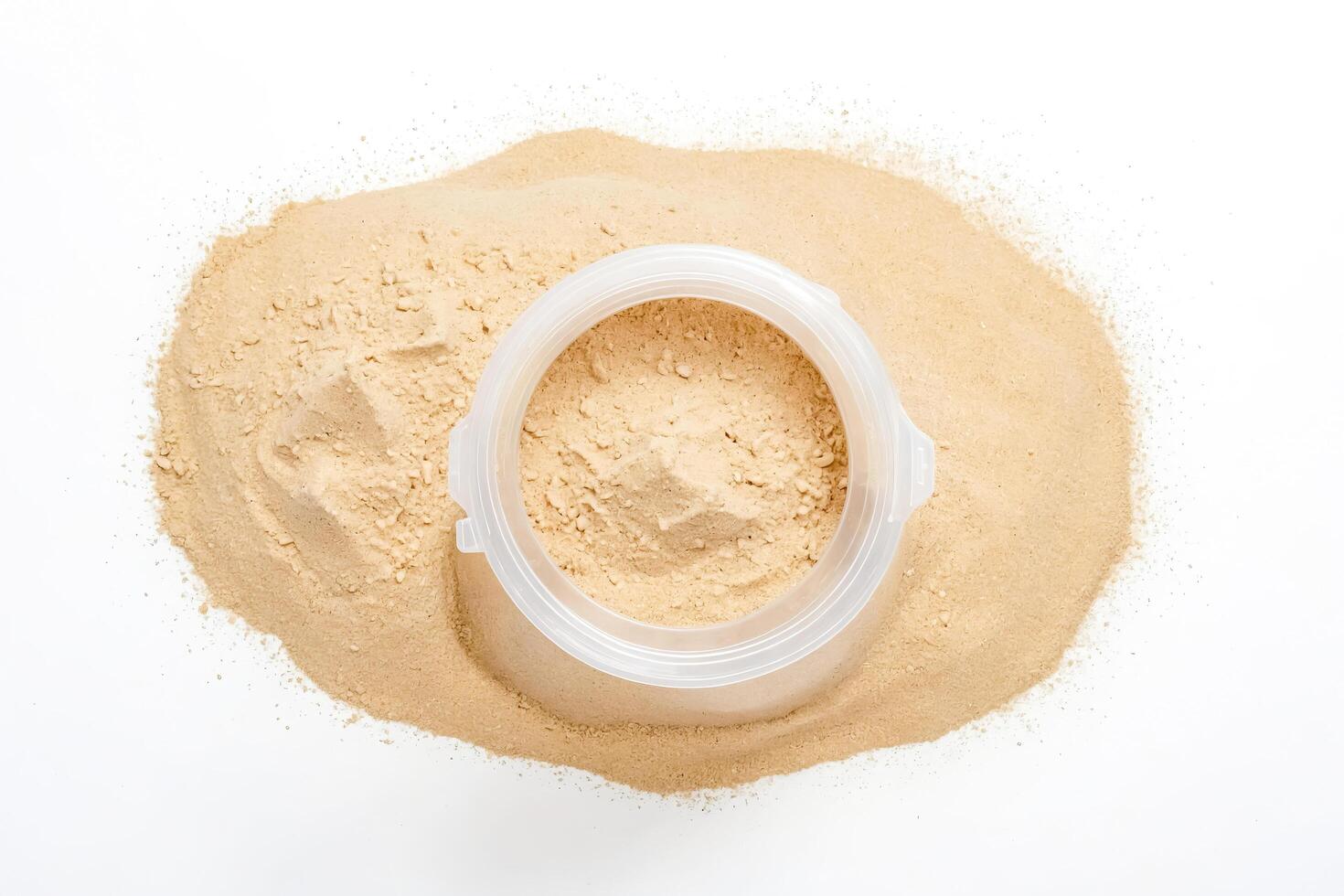
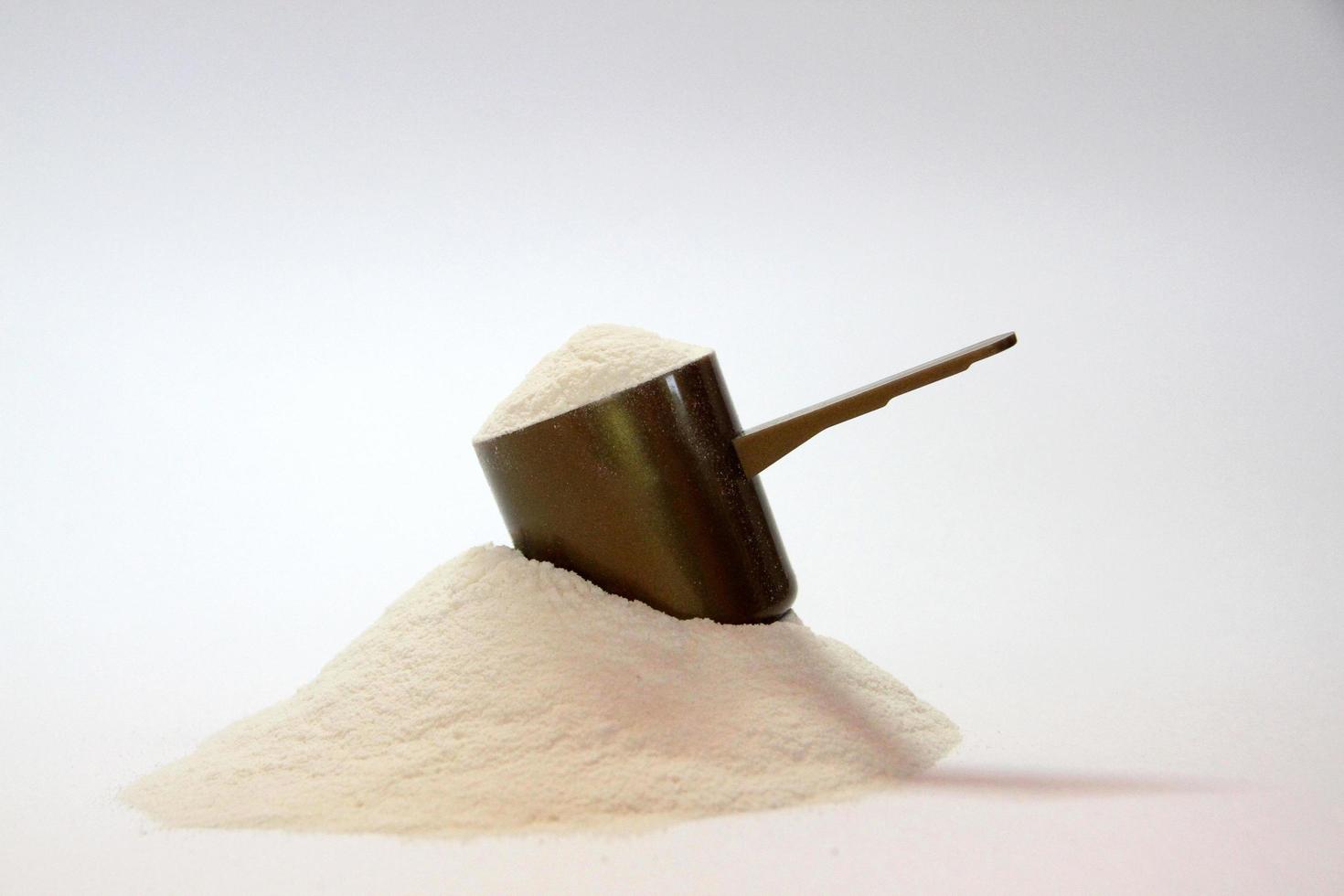
Sources

Similar Articles

Back to blog