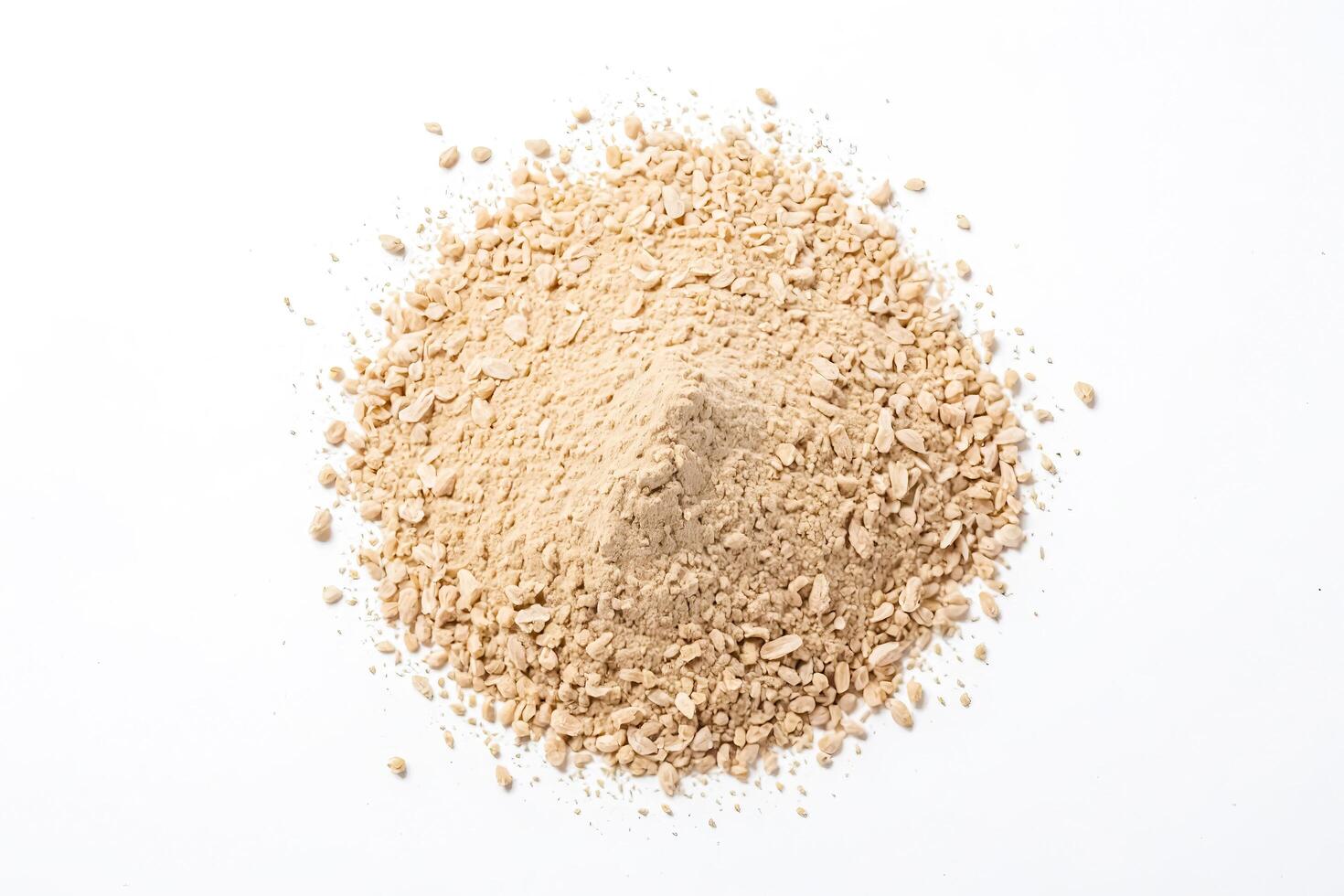
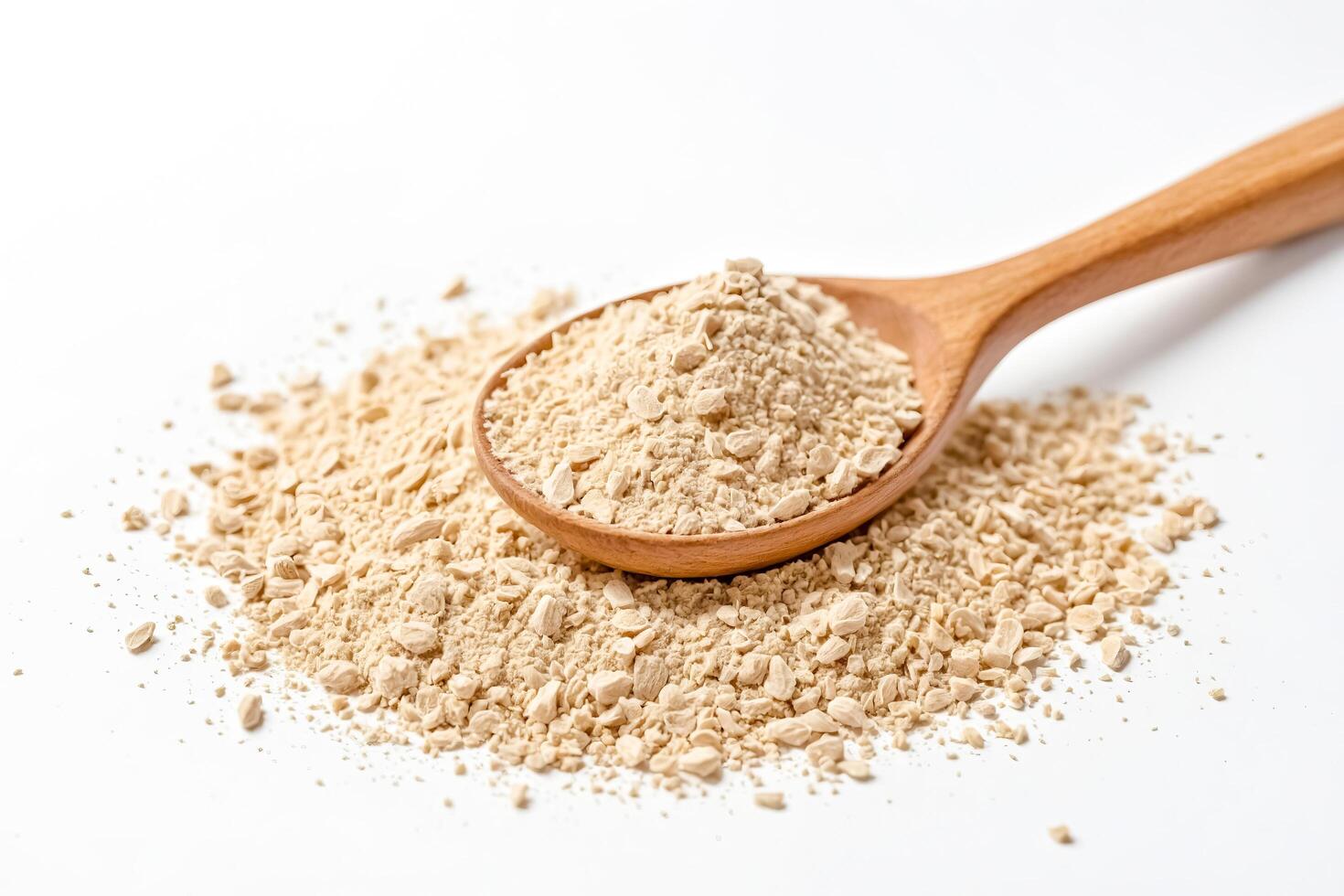
Is Wine Yeast Gluten Free?

Is Wine Yeast Gluten Free?

Wine yeast is typically gluten-free as it is derived from strains of Saccharomyces cerevisiae, which do not contain gluten. However, it’s always best to check with the specific manufacturer or brand, as some yeasts may be processed in facilities that also handle gluten-containing products, potentially leading to cross-contamination.

TL;DR

Wine yeast is typically gluten-free as it is derived from strains of Saccharomyces cerevisiae, which do not contain gluten. However, it’s always best to check with the specific manufacturer or brand, as some yeasts may be processed in facilities that also handle gluten-containing products, potentially leading to cross-contamination.

Quick Tips

1

Rich in B-complex vitamins: Wine yeast is a good source of various B vitamins, including B1, B2, B3, B5, B6, and B9 (folate).

2

Contains minerals: It provides essential minerals such as selenium, chromium, zinc, and magnesium.

3

High in protein: Wine yeast is a complete protein source, containing all essential amino acids.

# In This Article

3 sections

Quick navigation to each section of this article:

1 Benefits of Wine Yeast

Rich in B-complex vitamins: Wine yeast is a good source of various B vitamins, including B1, B2, B3, B5, B6, and B9 (folate).

Jump
2 Who should avoid Wine Yeast

People with yeast allergies or sensitivities

Jump
3 Related Gluten Free Products

Here are five similar gluten-free options to Wine Yeast, along with short descriptions:

Jump

Benefits of Wine Yeast

Benefits of Wine Yeast
Rich in B-complex vitamins: Wine yeast is a good source of various B vitamins, including B1, B2, B3, B5, B6, and B9 (folate).
Contains minerals: It provides essential minerals such as selenium, chromium, zinc, and magnesium.
High in protein: Wine yeast is a complete protein source, containing all essential amino acids.
Beta-glucans: These compounds found in yeast cell walls may help boost the immune system.
Antioxidant properties: Some components in wine yeast may have antioxidant effects, potentially protecting cells from damage.
Digestive health: As a probiotic, it may support gut health and aid digestion.
Potential cholesterol-lowering effects: Some studies suggest yeast may help reduce LDL (bad) cholesterol levels.
Blood sugar regulation: Chromium in yeast may help improve insulin sensitivity and blood sugar control.
Skin health: B vitamins and minerals in yeast may contribute to healthier skin.
Energy boost: The B vitamins in yeast play a crucial role in energy metabolism.It’s important to note that while these potential benefits exist, more research is needed to fully understand the health impacts of wine yeast consumption. Always consult with a healthcare professional before adding any new supplement to your diet.

Who should avoid Wine Yeast

Who should avoid Wine Yeast
People with yeast allergies or sensitivities
Individuals with Candida overgrowth or yeast infections
Those following a low-carb or ketogenic diet, as yeast can contain carbohydrates
People with certain autoimmune conditions that may be aggravated by yeast
Individuals with compromised immune systems, as they may be more susceptible to yeast-related issues
Those with inflammatory bowel diseases, such as Crohn’s disease or ulcerative colitis
People following a strict vegan diet, as some wine yeasts may be cultured on animal-derived nutrients
Individuals with severe alcohol intolerance or alcohol-related health issues
Those taking certain medications that may interact with yeast or its byproducts
People with specific religious or cultural restrictions on consuming yeast or fermented products
Pregnant women, as a precautionary measure (though small amounts are generally considered safe)
Young children, due to their developing immune systems and potential sensitivitiesNote that for most healthy adults, wine yeast in moderate amounts is generally considered safe. However, it’s always best to consult with a healthcare professional if you have concerns about consuming wine yeast.
ENJOY YOUR FAVORITE FOODS FEARLESSLY!
Don’t let gluten hold you back. Take Anti-Gluten Pills before your meal and enjoy peace of mind.
SHOP ANTI-GLUTEN PILLS
Clinically proven · Up to 86% gluten reduction · Fast acting

Here are five similar gluten-free options to Wine Yeast, along with short descriptions:

Related Gluten Free Products
Champagne Yeast- A highly alcohol-tolerant yeast strain ideal for sparkling wines and ciders- Produces clean, neutral flavors and can ferment at cooler temperatures- Suitable for secondary fermentation in bottle conditioning
Distillers Yeast- Designed for high-alcohol fermentations in spirits production- Rapidly ferments sugars and has a high alcohol tolerance (up to 20% ABV)- Produces a neutral flavor profile, allowing the base ingredients to shine
Lalvin EC-1118- Versatile yeast strain suitable for various wines, ciders, and meads- Known for its strong fermentation kinetics and high alcohol tolerance- Produces clean, neutral flavors and can restart stuck fermentations
Kveik Yeast- Traditional Norwegian farmhouse yeast with unique fermentation properties- Ferments quickly at high temperatures (75-95°F) with fruity flavor profiles- Suitable for various beer styles, meads, and ciders
Safale US-05- Clean fermenting, neutral ale yeast popular in craft brewing- Produces well-balanced, low ester profiles in various beer styles- Can also be used in cider and mead production for a clean fermentationThese yeast options are all gluten-free and can be used in various fermentation applications, offering different characteristics and flavor profiles depending on the desired end product.

Health Information

? Frequently Asked Questions

4 questions
1 Is wine safe for celiac disease?
Wine is generally considered safe for people with celiac disease. Most wines are naturally gluten-free, as they are made from grapes and do not contain wheat, barley, or rye. However, some wines may have additives or flavorings that contain gluten, so it's important to check labels or contact manufacturers if unsure. Additionally, individuals with celiac disease should be cautious of cross-contamination if wine is produced in facilities that also process gluten-containing products.
2 Which yeast is gluten-free?
All forms of pure yeast are naturally gluten-free. This includes active dry yeast, instant yeast, and fresh yeast used in baking. However, some yeast products may contain additives or be processed in facilities that also handle gluten-containing ingredients, so it's important to check labels. For those with celiac disease or gluten sensitivity, it's safest to choose yeast products specifically labeled as gluten-free.
3 Why is wine not gluten-free?
Wine is generally considered gluten-free. Grapes, the primary ingredient in wine, do not contain gluten. The fermentation process used to make wine also does not introduce gluten. However, some wines may have trace amounts of gluten if they use wheat-based fining agents or are stored in barrels sealed with wheat paste, but this is rare and typically below detectable levels for most people with celiac disease or gluten sensitivity.
4 Can you use yeast if you are gluten intolerant?
Yes, you can use yeast if you are gluten intolerant. Yeast itself does not contain gluten. However, it's important to ensure that the yeast you use hasn't been cross-contaminated with gluten-containing products during processing. Always check the packaging or contact the manufacturer to confirm that the yeast is certified gluten-free if you have celiac disease or severe gluten sensitivity.
LIVE GLUTEN-FREE WITHOUT THE FUSS!
Introducing Tolerase® G, clinically proven to reduce up to 86% of gluten in under 10 minutes. Experience the freedom to eat what you love.
SHOP ANTI-GLUTEN PILLS
150mg pure Tolerase® G · Reduces gluten by 86% · Under 10 minutes

Our Expert

Drs. Ilse van Asperen, Orthomolecular Therapist and Nutritional Coach

Drs. Ilse van Asperen

Orthomolecular Therapist, Nutritional Coach & Professional Editor

Drs. Ilse van Asperen is a medical doctor specialising in orthomolecular therapy and nutritional coaching. With a background in public and clinical health research and management, she focuses on addressing the root causes of health issues through diet, gut health, and stress reduction. As a professional editor for Little Helpers, she reviews all gluten-free content to ensure accuracy, safety, and scientific credibility. Read more on Drs. Ilse van Asperen's own website

Our Sources

The information on this page is based on reputable health and nutrition organisations, ensuring accuracy and reliability for anyone following a gluten-free diet. For further details, see the sources below.
Sources

Similar Articles

Back to blog