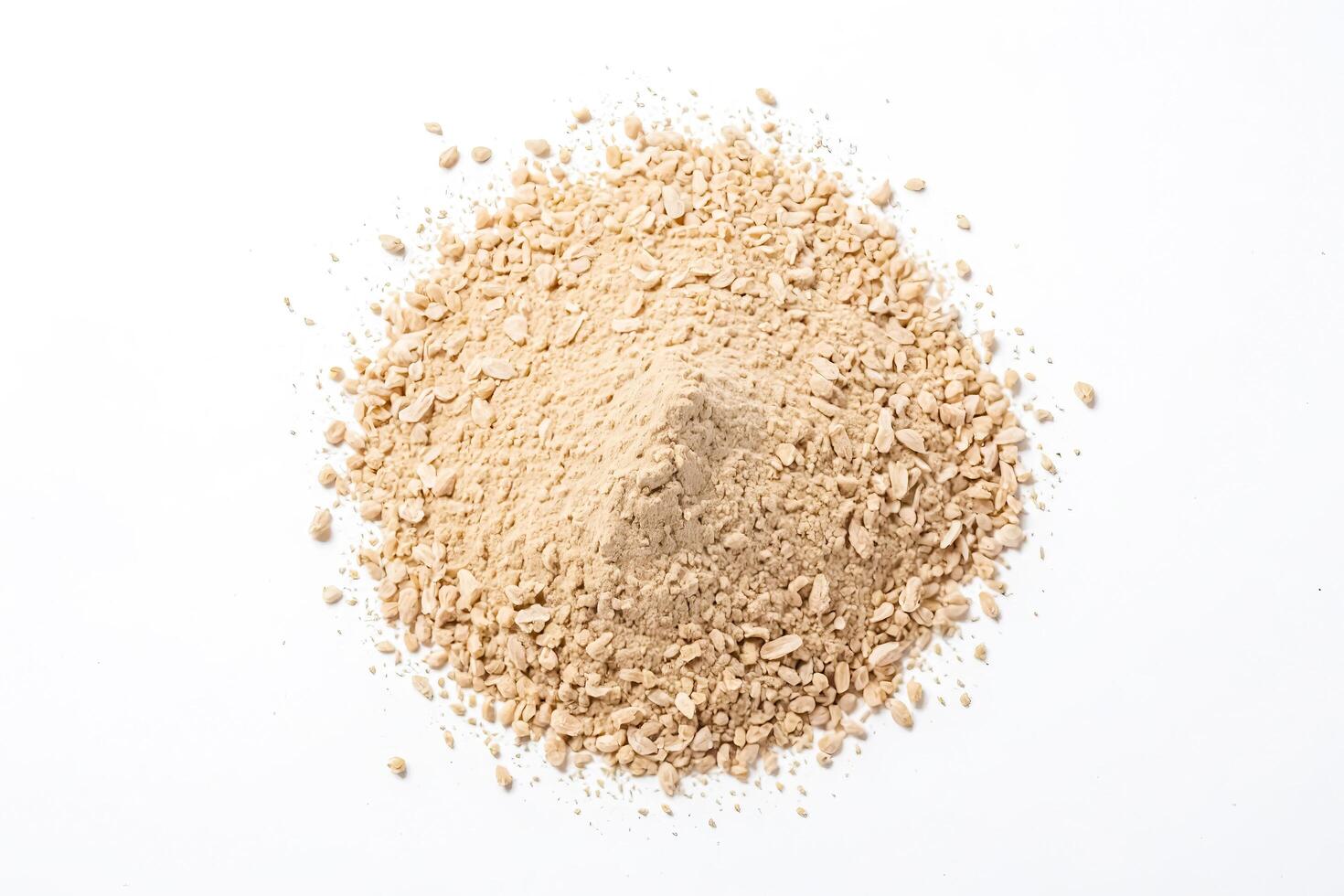
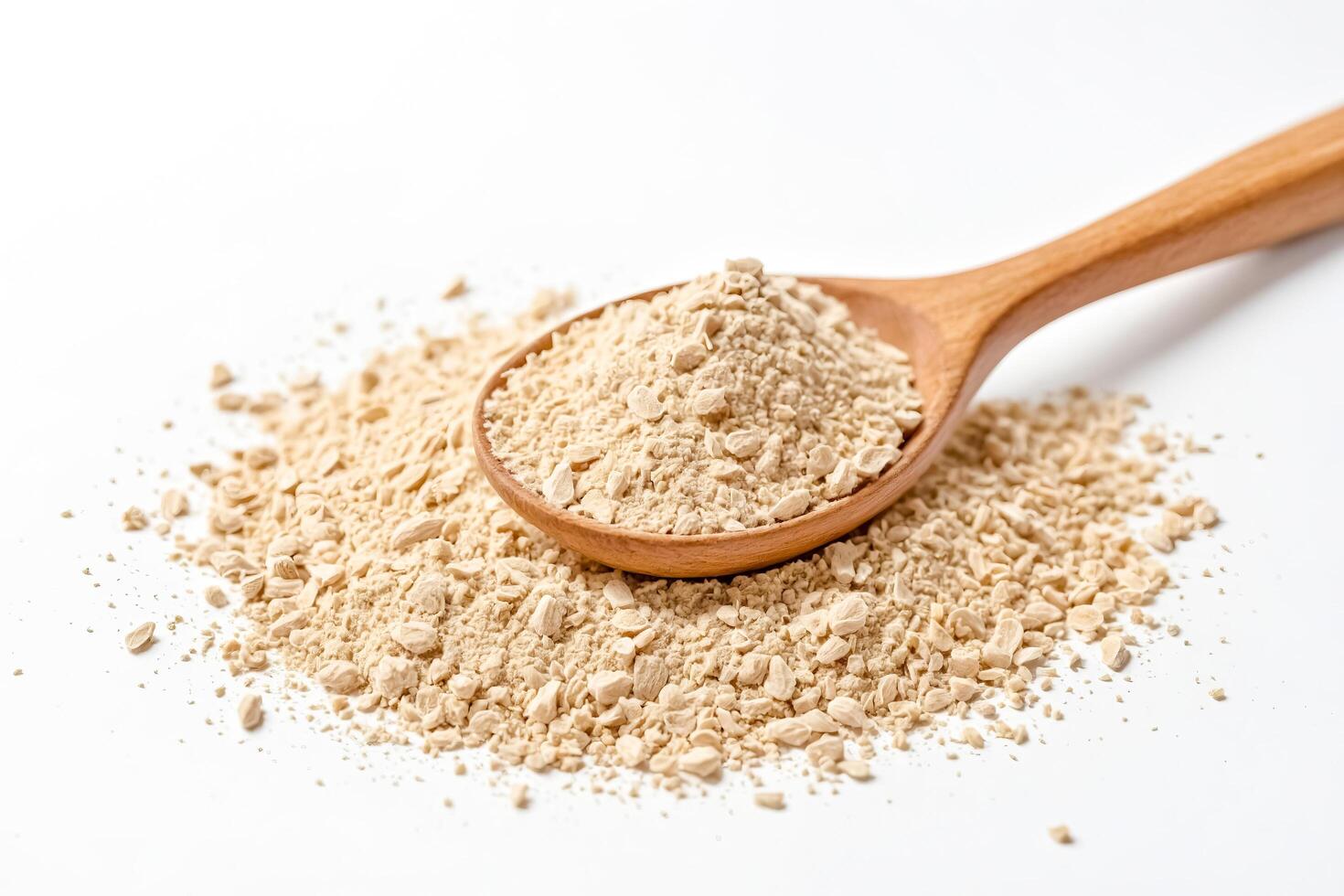
Is Yeast Gluten Free?

Is Yeast Gluten Free?

Yeast itself is naturally gluten-free. However, some products containing yeast may also contain gluten, so it’s important for people with celiac disease or gluten sensitivity to check product labels carefully.

TL;DR

Yeast itself is naturally gluten-free. However, some products containing yeast may also contain gluten, so it’s important for people with celiac disease or gluten sensitivity to check product labels carefully.

Quick Tips

1

Nutritional value: It’s a good source of B-complex vitamins, proteins, and minerals.

2

Probiotic properties: Some types of yeast, like Saccharomyces boulardii, can act as probiotics, supporting gut health.

3

Vitamin production: Yeast can be used to produce vitamin supplements, particularly B vitamins which helps your body maintain healthy metabolism.

# In This Article

3 sections

Quick navigation to each section of this article:

1 Benefits of Yeast

Nutritional value: It’s a good source of B-complex vitamins, proteins, and minerals.

Jump
2 Who should avoid Yeast

People with yeast allergies or sensitivities

Jump
3 Related Gluten Free Products

Here are five gluten-free options similar to yeast:

Jump

Benefits of Yeast

Benefits of Yeast
Nutritional value: It’s a good source of B-complex vitamins, proteins, and minerals.
Probiotic properties: Some types of yeast, like Saccharomyces boulardii, can act as probiotics, supporting gut health.
Vitamin production: Yeast can be used to produce vitamin supplements, particularly B vitamins which helps your body maintain healthy metabolism.
The fiber in nutritional yeast, beta-glucan, may reduce cholesterol levels.
Nutritional yeast is also a low-glycemic food that contains chromium which helps regulate blood sugar.
Nutritional yeast may improve your physical recovery after exercising.

Who should avoid Yeast

Who should avoid Yeast
People with yeast allergies or sensitivities
Those with inflammatory bowel diseases (IBD) like Crohn’s disease or ulcerative colitis
Individuals with candida overgrowth or recurring yeast infections
People following a low-FODMAP diet for digestive issues
Those with autoimmune conditions that may be aggravated by yeast
Individuals with compromised immune systems
People with certain genetic disorders that affect their ability to break down purines (e.g., gout)
Those on a prescribed anti-candida diet
Individuals taking certain medications that may interact with nutritional yeast (e.g., MAO inhibitors)
People with chronic migraines that may be triggered by high-tyramine foods
Those following specific diets that exclude yeast (e.g., some versions of the Paleo diet)Note that in many cases, consumption of yeast may be acceptable under medical supervision or in moderation. Always consult with a healthcare professional for personalized advice.
ENJOY YOUR FAVORITE FOODS FEARLESSLY!
Don’t let gluten hold you back. Take Anti-Gluten Pills before your meal and enjoy peace of mind.
SHOP ANTI-GLUTEN PILLS
Clinically proven · Up to 86% gluten reduction · Fast acting

Here are five gluten-free options similar to yeast:

Related Gluten Free Products
Baking Powder: A leavening agent made from cream of tartar, baking soda, and sometimes cornstarch. It creates carbon dioxide bubbles when mixed with liquid and heat, causing baked goods to rise.
Baking Soda: Also known as sodium bicarbonate, it's a leavening agent that reacts with acidic ingredients to produce carbon dioxide, helping baked goods rise. It's often used in combination with an acidic ingredient like buttermilk or vinegar.
Egg Whites: When whipped, egg whites can incorporate air and act as a natural leavening agent in baked goods. They're particularly useful in creating light and fluffy textures in cakes and meringues.
Club Soda: The carbonation in club soda can add lightness to batters and doughs. It's often used in recipes for pancakes, waffles, and some quick breads to create a lighter texture.
Psyllium Husk: A form of fiber from plantain seeds, psyllium husk can help bind ingredients and add structure to gluten-free baked goods. It also helps retain moisture, improving the texture of breads and other baked items.

Health Information

? Frequently Asked Questions

2 questions
1 Is yeast ok for gluten intolerance?
Yeast itself is generally considered gluten-free and safe for people with gluten intolerance. However, some products containing yeast may also contain gluten, so it's important to check labels carefully. Pure baker's yeast and brewer's yeast are typically gluten-free, but nutritional yeast can sometimes be contaminated with gluten during processing. If you have celiac disease or severe gluten sensitivity, it's best to choose yeast products that are specifically labeled as gluten-free.
2 Does Fleischmann's yeast have gluten in it?
Fleischmann's yeast itself does not contain gluten. Yeast is a single-celled organism and is naturally gluten-free. However, some yeast products may be processed in facilities that also handle gluten-containing ingredients. If you have celiac disease or a severe gluten sensitivity, it's best to check the packaging for any potential cross-contamination warnings.
LIVE GLUTEN-FREE WITHOUT THE FUSS!
Introducing Tolerase® G, clinically proven to reduce up to 86% of gluten in under 10 minutes. Experience the freedom to eat what you love.
SHOP ANTI-GLUTEN PILLS
150mg pure Tolerase® G · Reduces gluten by 86% · Under 10 minutes

Our Expert

Drs. Ilse van Asperen, Orthomolecular Therapist and Nutritional Coach

Drs. Ilse van Asperen

Orthomolecular Therapist, Nutritional Coach & Professional Editor

Drs. Ilse van Asperen is a medical doctor specialising in orthomolecular therapy and nutritional coaching. With a background in public and clinical health research and management, she focuses on addressing the root causes of health issues through diet, gut health, and stress reduction. As a professional editor for Little Helpers, she reviews all gluten-free content to ensure accuracy, safety, and scientific credibility. Read more on Drs. Ilse van Asperen's own website

Our Sources

The information on this page is based on reputable health and nutrition organisations, ensuring accuracy and reliability for anyone following a gluten-free diet. For further details, see the sources below.
Sources

Similar Articles

Back to blog