Share
Quick Tips
1Watch for regional variations—kellogg’s cereals sold in different countries may have different recipes.
2Refer to manufacturer websites for allergen declarations on kellogg’s cereals.
3If in doubt, avoid kellogg’s cereals without full ingredient disclosure or third-party certification.
# In This Article
5 sectionsQuick navigation to each section of this article:
1 What Does Gluten-Free Kellogg’S Cereals Mean?
A gluten-free kellogg’s cereals must contain less than 20 parts per million (ppm) of gluten and cannot include wheat, barley, rye, or derivatives. Certified gluten-free products are produced in facilities that prevent cross-contamination and are clearly labelled to help shoppers make safe choices.
Jump2 Which Kellogg’s cereals are Safe for Gluten-Free Diet?
Kellogg’s offers Special K Gluten Free made with rice and whole grain sorghum. It carries gluten free certification and avoids wheat, barley, and rye.
Jump3 Which Kellogg’s cereals are not safe for Gluten Free Diet?
Kellogg’s Frosted Flakes are not gluten free as they contain malt flavoring derived from barley. The allergen panel confirms gluten, making them unsafe for gluten-sensitive individuals or celiac patients.
Jump4 How to Choose Gluten-Free Kellogg’s Cereals
Watch for regional variations—kellogg’s cereals sold in different countries may have different recipes.
Jump5 Final Thoughts
Reading ingredients isn’t enough. Gluten-free kellogg's cereals must be labelled, tested, and made in safe environments.
JumpWhat Does Gluten-Free Kellogg’S Cereals Mean?
A gluten-free kellogg’s cereals must contain less than 20 parts per million (ppm) of gluten and cannot include wheat, barley, rye, or derivatives. Certified gluten-free products are produced in facilities that prevent cross-contamination and are clearly labelled to help shoppers make safe choices. (According to FDA and EU Regulation 828/2014 on gluten-free labeling standards.)
Which Kellogg’s cereals are Safe for Gluten-Free Diet?
| Product | Details |
|---|---|
| Kellogg’s Special K Gluten Free | Kellogg’s offers Special K Gluten Free made with rice and whole grain sorghum. It carries gluten free certification and avoids wheat, barley, and rye. Packaging clearly displays the gluten free label, making it safe for celiac consumers and widely distributed as a mainstream gluten free option. |
| Kellogg’s Rice Krispies (GF version) | While traditional Rice Krispies contain malt, Kellogg’s produces a gluten free version made with brown rice. The gluten free logo is printed on packaging and confirmed in allergen guides. Safe for gluten free diets and trusted by parents seeking celiac-safe cereals for children. |
| Kellogg’s Corn Flakes Gluten Free | Kellogg’s Corn Flakes Gluten Free are made with milled corn and fortified vitamins. The recipe removes barley malt found in the traditional version. Certified gluten free by labeling, ensuring that consumers with celiac disease can safely enjoy them without risk of contamination. |
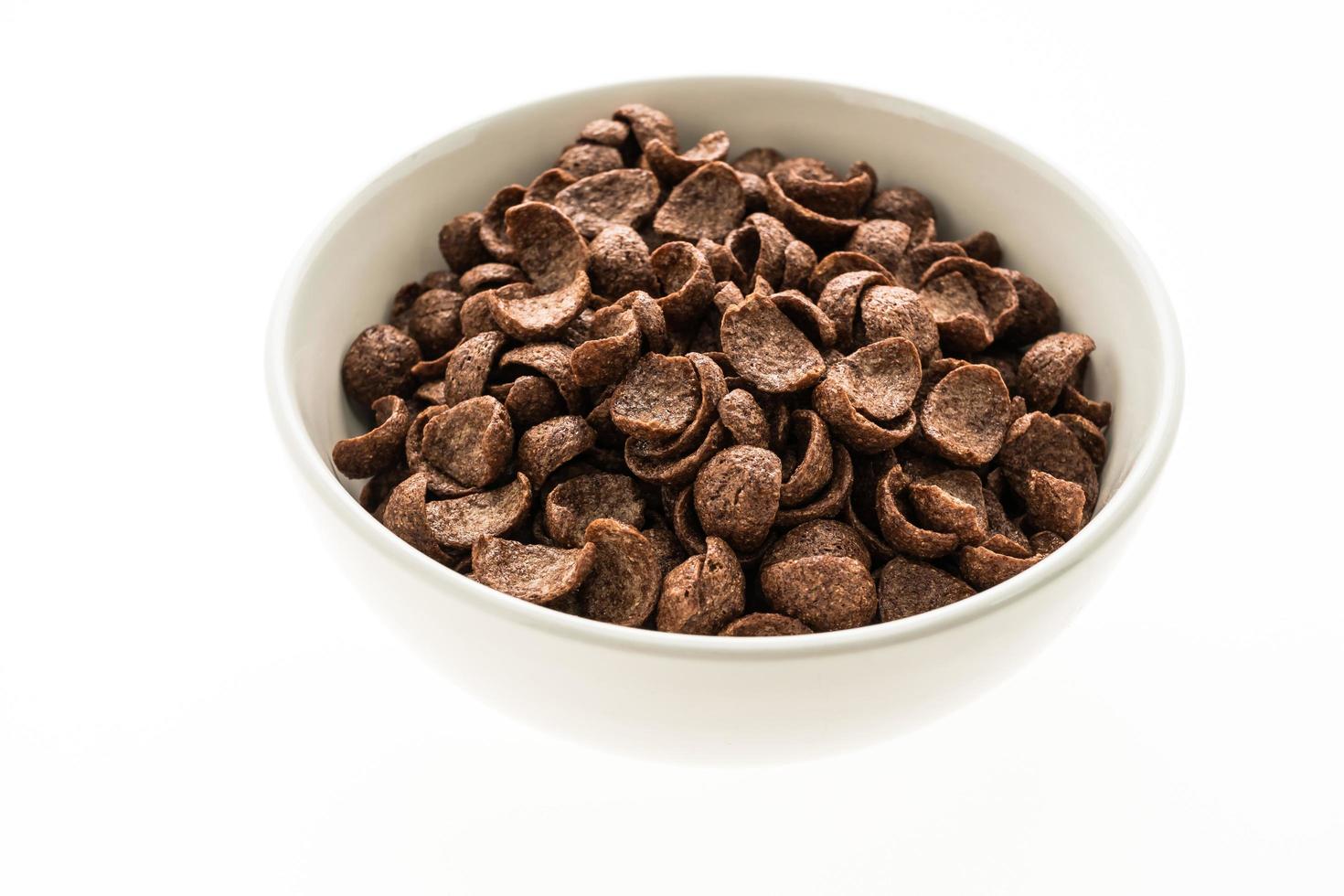
| Kellogg’s Cocoa Krispies Gluten Free | Cocoa Krispies Gluten Free are made with whole grain brown rice, cocoa, and sugar. No barley malt or gluten-containing additives are included. Labeled gluten free on packaging, this cereal is a safe alternative for gluten sensitive individuals who want a chocolatey breakfast option. |
| Kellogg’s Special K Chocolate Delight GF | Special K Chocolate Delight Gluten Free uses rice and sorghum as the cereal base with added chocolate. It is certified gluten free on packaging and verified in Kellogg’s allergen guides, making it suitable for gluten free diets while still delivering a mainstream breakfast experience. |
Which Kellogg’s cereals are not safe for Gluten Free Diet?
| Product | Why It’s Not Safe |
|---|---|
| Frosted Flakes | Kellogg’s Frosted Flakes are not gluten free as they contain malt flavoring derived from barley. The allergen panel confirms gluten, making them unsafe for gluten-sensitive individuals or celiac patients. |
| Rice Krispies (original) | Original Rice Krispies are not gluten free because they contain malt flavoring derived from barley. The allergen declaration highlights barley, making them unsafe for celiac patients. |
| Special K Original | Special K is not gluten free since it is made with wheat and barley malt. The allergen labeling confirms gluten presence. These cereals are unsafe for gluten-free diets. |
| Corn Flakes (standard) | Kellogg’s Corn Flakes are not gluten free because they contain barley malt extract. The allergen panel confirms gluten. This cereal is not safe for gluten-free diets or celiac patients. |
| Krave | Kellogg’s Krave cereal is not gluten free as it contains wheat flour and barley malt extract. The allergen declaration highlights gluten, making it unsafe for gluten-sensitive individuals. |
How to Choose Gluten-Free Kellogg’s Cereals
1Watch for regional variations—kellogg’s cereals sold in different countries may have different recipes.
2Refer to manufacturer websites for allergen declarations on kellogg’s cereals.
3If in doubt, avoid kellogg’s cereals without full ingredient disclosure or third-party certification.
4If in doubt, avoid kellogg’s cereals without full ingredient disclosure or third-party certification.
5For high-risk products like kellogg’s cereals, only buy from brands that guarantee
6If in doubt, avoid kellogg’s cereals without full ingredient disclosure or third-party certification.
Frequently Asked Questions
? Frequently Asked Questions
4 questions1 Can I eat kellogg's cereals on a strict gluten-free diet?
2 What labels or symbols mean kellogg's cereals is gluten-free?
3 Where can I check if kellogg's cereals is gluten-free?
4 Is it safe to trust 'may contain gluten' labels on kellogg's cereals?
Final Thoughts
Reading ingredients isn’t enough. Gluten-free kellogg's cereals must be labelled, tested, and made in safe environments. International products may differ, so double-check before buying.
Our Expert
Drs. Ilse van Asperen
Orthomolecular Therapist, Nutritional Coach & Professional Editor
Drs. Ilse van Asperen is a medical doctor specialising in orthomolecular therapy and nutritional coaching. With a background in public and clinical health research and management, she focuses on addressing the root causes of health issues through diet, gut health, and stress reduction. As a professional editor for Little Helpers, she reviews all gluten-free content to ensure accuracy, safety, and scientific credibility. Read more on Drs. Ilse van Asperen's own website
Our Sources
The information on this page is based on reputable health and nutrition organisations, ensuring accuracy and reliability for anyone following a gluten-free diet. For further details, see the sources below.