
 01
01
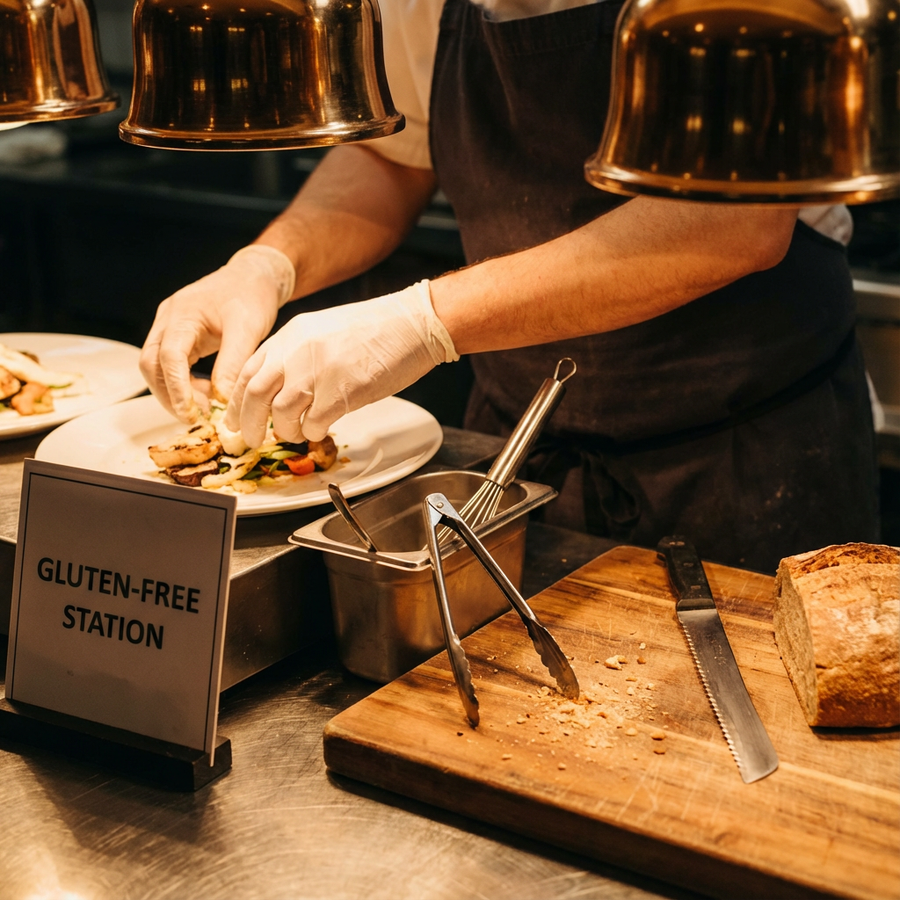
Cross-contact in restaurants
Shared cooking surfaces, fryers, and utensils in professional kitchens.
And the hero ingredient Tolerase® G (AN-PEP in the science community)
Even the strictest gluten-free diet can't eliminate all risk. Studies show people with coeliac disease and gluten sensitivity are still unintentionally exposed to 150–400 mg of gluten per day.¹
01
Shared cooking surfaces, fryers, and utensils in professional kitchens.
 02
02
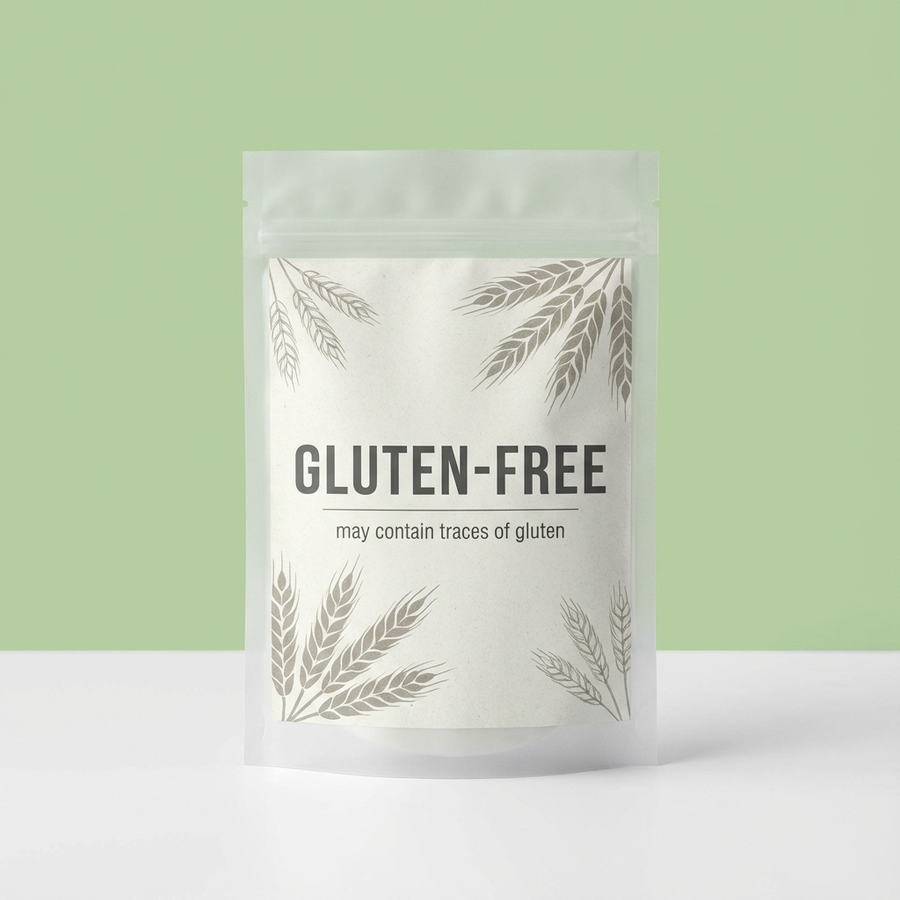
Labelled products that still contain residual gluten below declaration thresholds.
 03
03
Shared meals, family dinners, and events where food control isn't possible.
 04
04
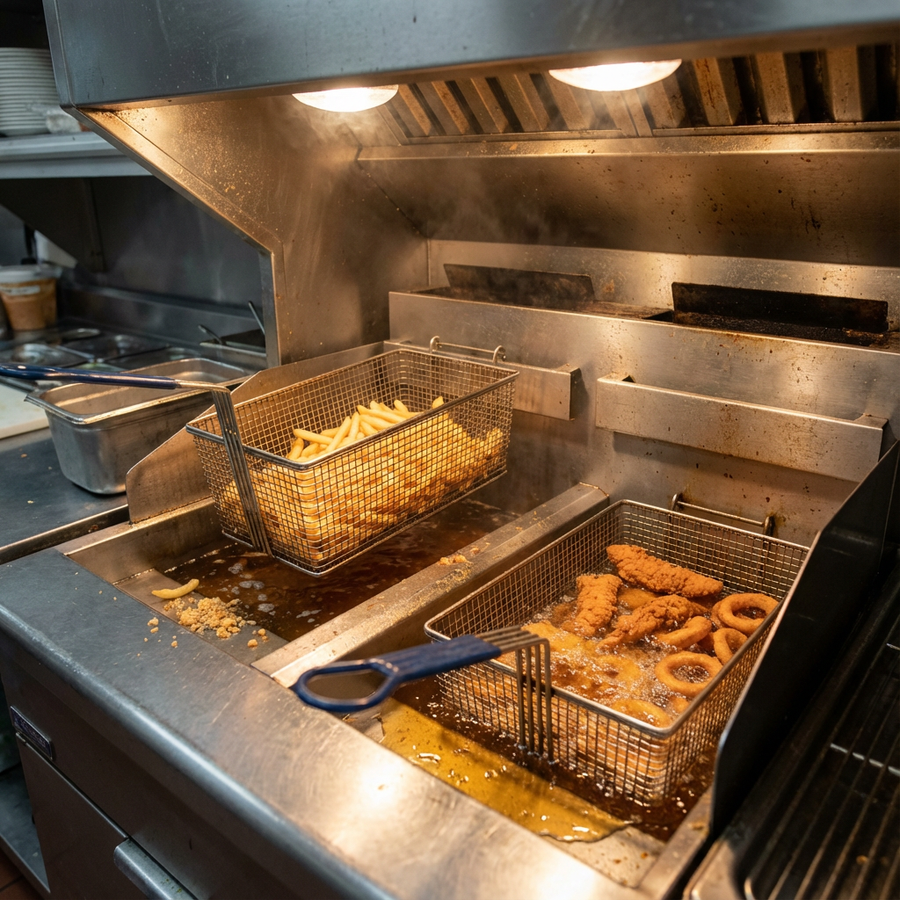
Hidden gluten in dressings, marinades, or foods fried in shared oil.
Even though you might not make any mistakes, others will. And that means ongoing symptoms, inflammation, or anxiety around eating out.
AN-PEP (Tolerase® G) is a unique enzyme that works exactly where you need it most: in the acidic stomach, where other enzymes fail.
AN-PEP remains fully active in the acidic conditions of the stomach, where common enzymes like DPP-IV lose their effectiveness.
Specifically breaks down immunogenic gluten peptides, including the alpha-gliadin 33-mer that triggers immune reactions.
Rapidly cuts gluten into harmless fragments before they reach the small intestine where they cause damage.
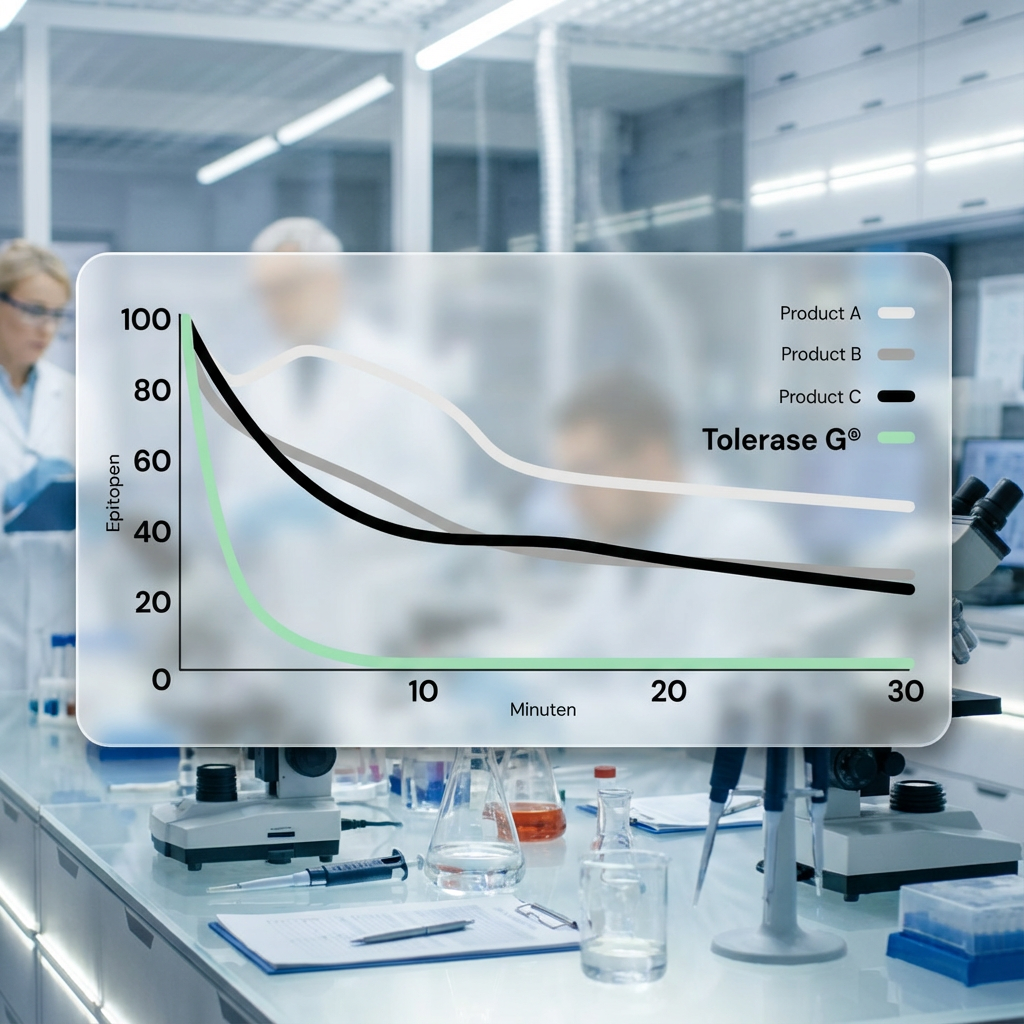
of gluten proteins degraded within minutes under stomach-like laboratory conditions.²
Unlike common digestive supplements, AN-PEP specifically destroys the immunogenic epitopes that drive coeliac reactions.
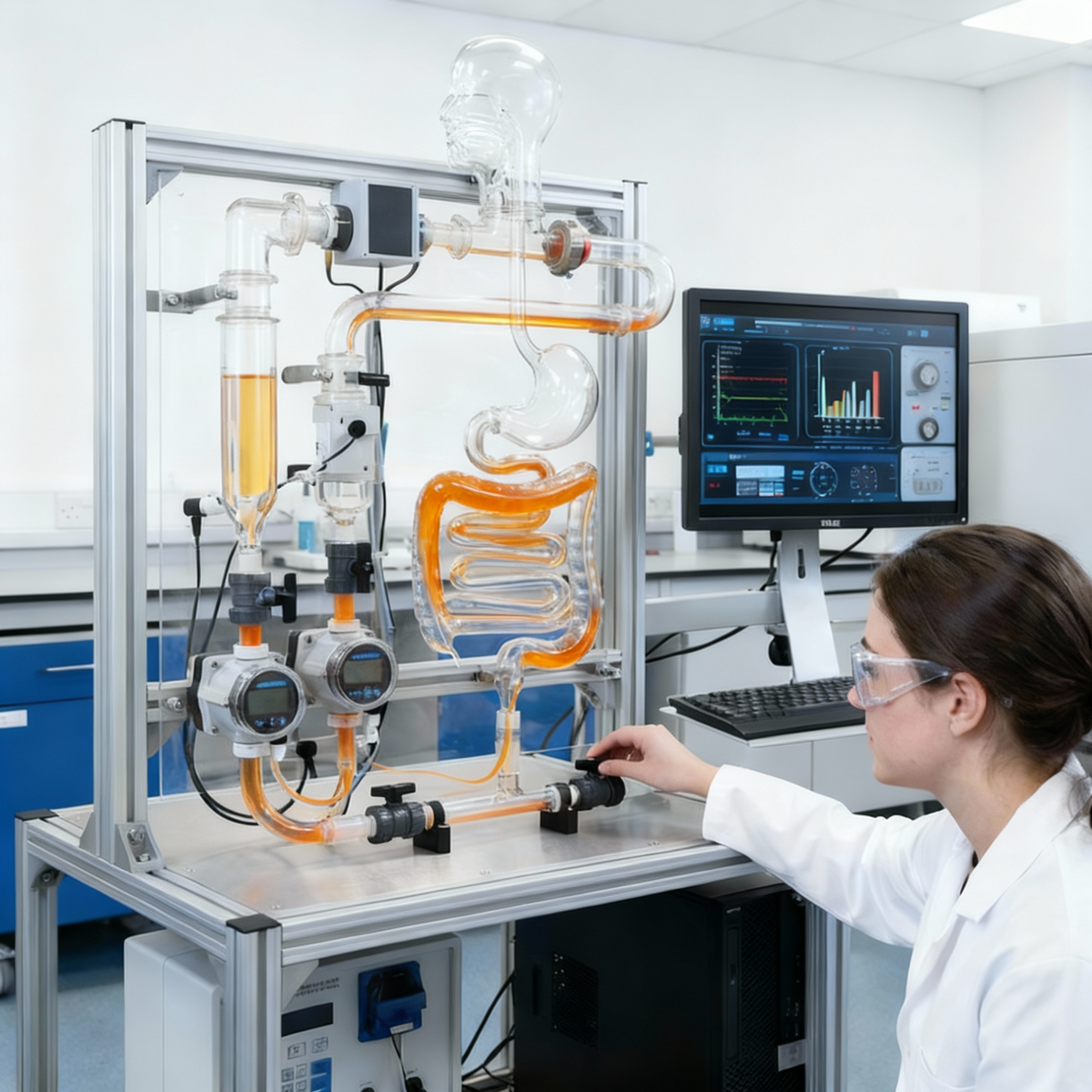
gluten reached the duodenum in a validated gastrointestinal simulator when AN-PEP was added to meals.
T-cell tests confirmed remaining fragments no longer caused any immune reactions or damage.³

reduction of gluten peptides in the stomach compared to placebo in a randomized crossover trial with real meals.⁴
A separate real-life trial in coeliac adults showed fewer severe symptoms and good tolerability.⁵
Not all "gluten pills" are created equal. Independent testing shows that most commercial digestive blends fail to break down harmful gluten peptides under stomach conditions.
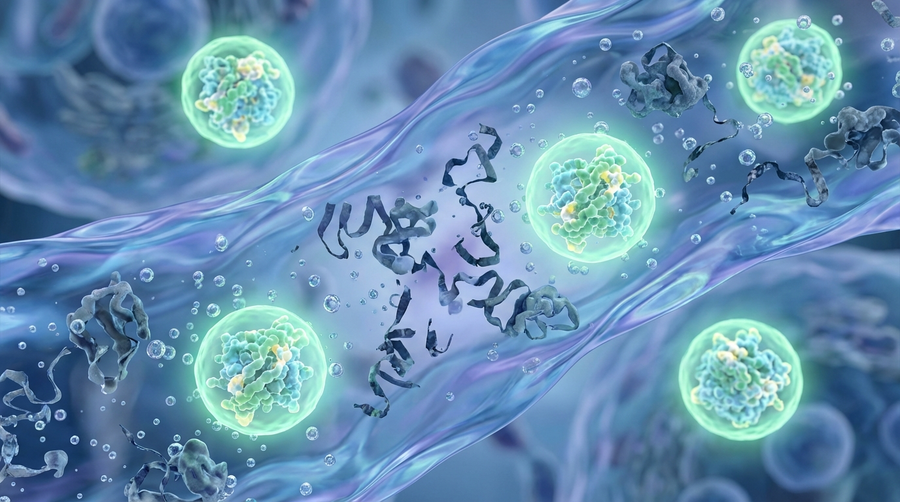
AN-PEP is the only enzyme consistently proven in peer-reviewed research to stay active in the acidic stomach.
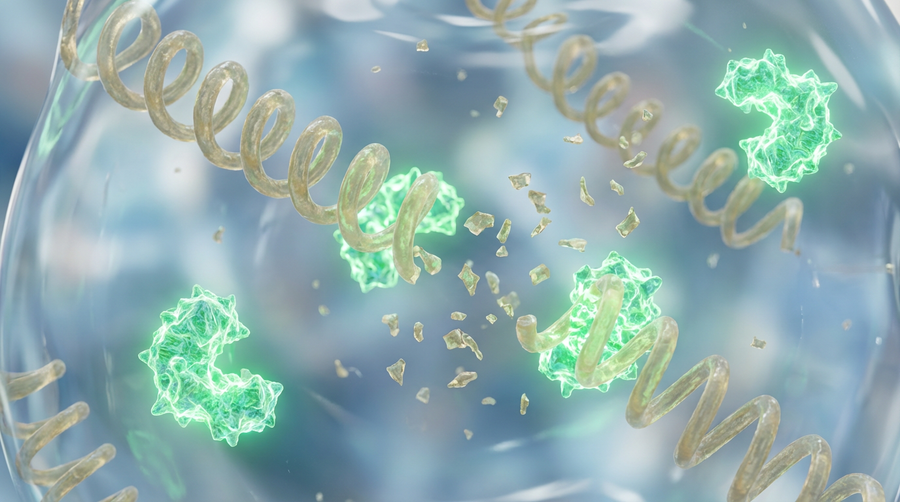
Targets the specific immunogenic peptides that trigger coeliac reactions, not just "some" gluten.
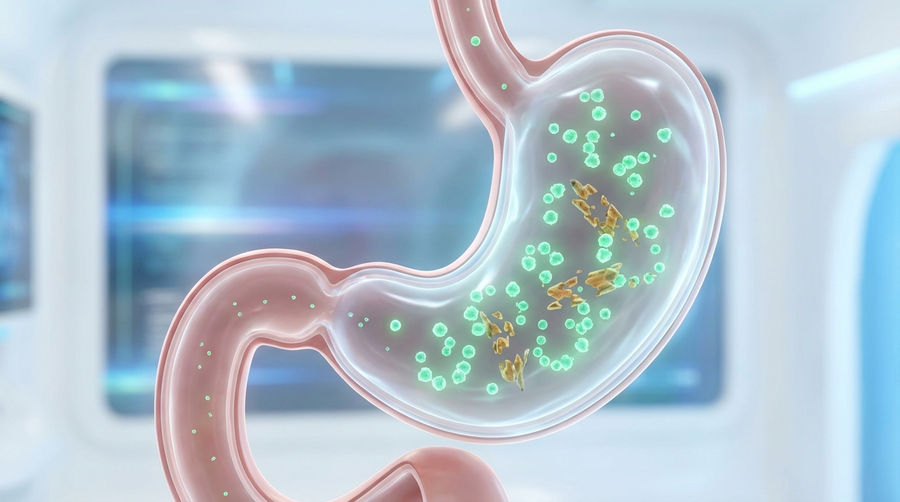
Works before gluten reaches the small intestine, where it causes painful reactions and long-term damage.

Reduces gluten biomarkers in real clinical trials with actual meals, not just test-tube conditions.
This is why coeliac organisations openly confirm AN-PEP's effectiveness, while other blends rely on vague language like "supports gluten digestion."
For people with coeliac disease, Little Helpers are a safety net, not a free pass. Stick to your gluten-free diet and use your Helpers as an added safeguard for occasional, unavoidable gluten exposure when eating out, traveling, or going about your life.
Backed by science, Little Helpers take away some of the worry that comes with hidden gluten.
Try it yourself


