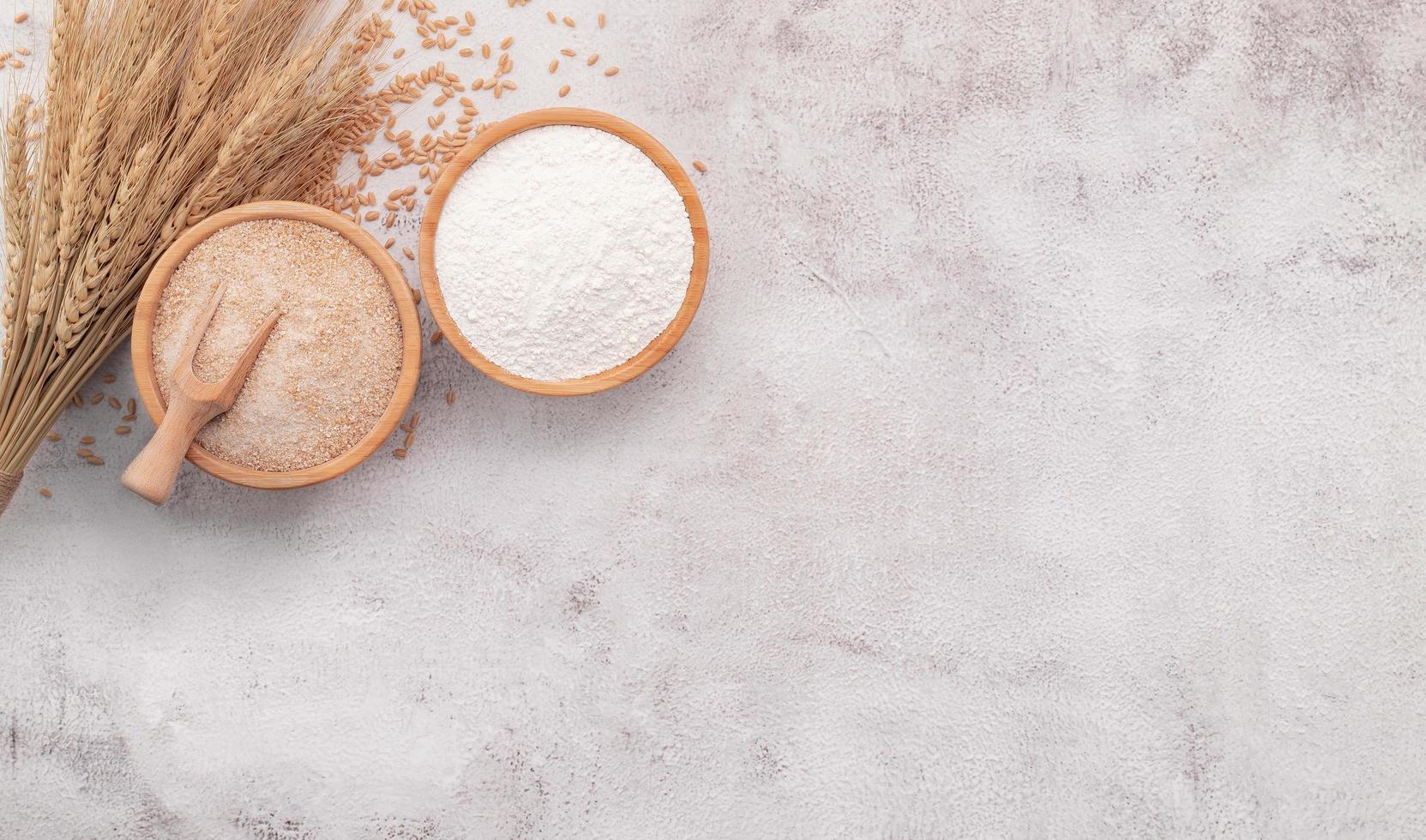
Is Amaranth Flour Gluten Free?

Is Amaranth Flour Gluten Free?

Yes, amaranth flour is gluten-free. It is made from ground amaranth seeds, which are naturally free of gluten and safe for those with celiac disease or gluten sensitivity to consume.

TL;DR

Yes, amaranth flour is gluten-free. It is made from ground amaranth seeds, which are naturally free of gluten and safe for those with celiac disease or gluten sensitivity to consume.

Quick Tips

1

High in protein: Contains all essential amino acids, making it a complete protein source

2

Gluten-free: Suitable for those with celiac disease or gluten sensitivity

3

Rich in fiber: Promotes digestive health and helps maintain healthy blood sugar levels

# In This Article

3 sections

Quick navigation to each section of this article:

1 Benefits of Amaranth Flour

High in protein: Contains all essential amino acids, making it a complete protein source

Jump
2 Who should avoid Amaranth Flour

People with celiac disease or gluten sensitivity should be cautious, as some amaranth products may be cross-contaminated with gluten-containing grains during processing.

Jump
3 Related Gluten Free Products

Here are five gluten-free options similar to Amaranth Flour, along with short descriptions:

Jump

Benefits of Amaranth Flour

Benefits of Amaranth Flour
High in protein: Contains all essential amino acids, making it a complete protein source
Gluten-free: Suitable for those with celiac disease or gluten sensitivity
Rich in fiber: Promotes digestive health and helps maintain healthy blood sugar levels
Excellent source of minerals: High in iron, magnesium, phosphorus, and manganese
Contains lysine: An amino acid often lacking in other grains, important for protein synthesis
Heart-healthy: May help lower cholesterol levels due to its fiber and phytosterol content
Antioxidant properties: Contains compounds that may help protect cells from oxidative stress
Low glycemic index: May help regulate blood sugar levels and provide sustained energy
Calcium-rich: Supports bone health and may be beneficial for those avoiding dairy
Source of folate: Important for cell growth and DNA formation, particularly during pregnancy
Anti-inflammatory properties: May help reduce inflammation in the body
Supports weight management: High fiber and protein content can increase satiety
Versatile nutrient source: Can be used in various recipes to boost nutritional valueRemember that while amaranth flour has many potential health benefits, it should be consumed as part of a balanced diet for optimal health.

Who should avoid Amaranth Flour

Who should avoid Amaranth Flour
People with celiac disease or gluten sensitivity should be cautious, as some amaranth products may be cross-contaminated with gluten-containing grains during processing.
Individuals with a known allergy to amaranth or other pseudocereals (like quinoa or buckwheat) should avoid it.
Those with kidney problems or gout should consult their doctor before consuming amaranth, as it contains moderate amounts of purines.
People on a low-oxalate diet may need to limit or avoid amaranth, as it contains oxalates.
Individuals taking blood-thinning medications should consult their healthcare provider, as amaranth is high in vitamin K, which can interfere with these medications.
Those with digestive sensitivities may need to introduce amaranth slowly, as its high fiber content can cause digestive discomfort in some people.
People following a low-carb or ketogenic diet may need to limit amaranth flour due to its carbohydrate content.
Individuals with nickel allergies should be cautious, as amaranth can accumulate nickel from soil.Always consult a healthcare professional or registered dietitian before making significant changes to your diet, especially if you have existing health conditions or concerns.
ENJOY YOUR FAVORITE FOODS FEARLESSLY!
Don’t let gluten hold you back. Take Anti-Gluten Pills before your meal and enjoy peace of mind.
SHOP ANTI-GLUTEN PILLS
Clinically proven · Up to 86% gluten reduction · Fast acting

Here are five gluten-free options similar to Amaranth Flour, along with short descriptions:

Related Gluten Free Products
Quinoa Flour:A protein-rich flour made from ground quinoa seeds. It has a slightly nutty flavor and provides a good source of essential amino acids, fiber, and minerals.
Buckwheat Flour:Despite its name, buckwheat is not related to wheat and is gluten-free. It has a strong, earthy flavor and is rich in antioxidants and minerals. It's commonly used in pancakes and noodles.
Teff Flour:Made from a tiny ancient grain, teff flour is high in protein and fiber. It has a mild, nutty flavor and is often used in Ethiopian cuisine. It's also rich in iron and calcium.
Sorghum Flour:A light-colored flour with a mild, sweet flavor. It's high in fiber and antioxidants, and its texture is similar to whole wheat flour, making it a versatile gluten-free option.
Millet Flour:Made from ground millet seeds, this flour has a light, mild flavor. It's rich in magnesium and phosphorus and works well in baked goods, especially when combined with other gluten-free flours.

Health Information

? Frequently Asked Questions

4 questions
1 What are the disadvantages of amaranth flour?
Amaranth flour can have a strong, earthy flavor that some people find unpleasant. It is more expensive than many common flours, which can make it less accessible for everyday use. Baked goods made with amaranth flour tend to be denser and heavier than those made with wheat flour. Additionally, amaranth flour lacks gluten, which can make it challenging to use as a direct substitute in recipes that rely on gluten for structure and texture.
2 What is amaranth flour best used for?
Amaranth flour is best used for gluten-free baking and cooking. It works well in combination with other gluten-free flours to make breads, pancakes, and cookies. Amaranth flour adds a nutty flavor and boosts the nutritional content of baked goods with its high protein and mineral content. It's also good for thickening sauces and soups.
3 Does amaranth flour rise with yeast?
Amaranth flour does not rise well with yeast on its own. It lacks the gluten proteins found in wheat flour that are necessary for trapping gas bubbles and creating a light, airy texture. However, amaranth flour can be used in combination with wheat flour or other gluten-containing flours to create leavened breads. For best results when using yeast, amaranth flour should typically make up no more than 25-30% of the total flour in a recipe.
4 Is amaranth flour anti inflammatory?
Amaranth flour has been found to have anti-inflammatory properties. This is due to its high content of antioxidants and other bioactive compounds. Studies have shown that consuming amaranth may help reduce inflammation markers in the body. However, more research is needed to fully understand its anti-inflammatory effects in humans.
LIVE GLUTEN-FREE WITHOUT THE FUSS!
Introducing Tolerase® G, clinically proven to reduce up to 86% of gluten in under 10 minutes. Experience the freedom to eat what you love.
SHOP ANTI-GLUTEN PILLS
150mg pure Tolerase® G · Reduces gluten by 86% · Under 10 minutes

Our Expert

Drs. Ilse van Asperen, Orthomolecular Therapist and Nutritional Coach

Drs. Ilse van Asperen

Orthomolecular Therapist, Nutritional Coach & Professional Editor

Drs. Ilse van Asperen is a medical doctor specialising in orthomolecular therapy and nutritional coaching. With a background in public and clinical health research and management, she focuses on addressing the root causes of health issues through diet, gut health, and stress reduction. As a professional editor for Little Helpers, she reviews all gluten-free content to ensure accuracy, safety, and scientific credibility. Read more on Drs. Ilse van Asperen's own website

Our Sources

The information on this page is based on reputable health and nutrition organisations, ensuring accuracy and reliability for anyone following a gluten-free diet. For further details, see the sources below.
Sources

Similar Articles

Back to blog