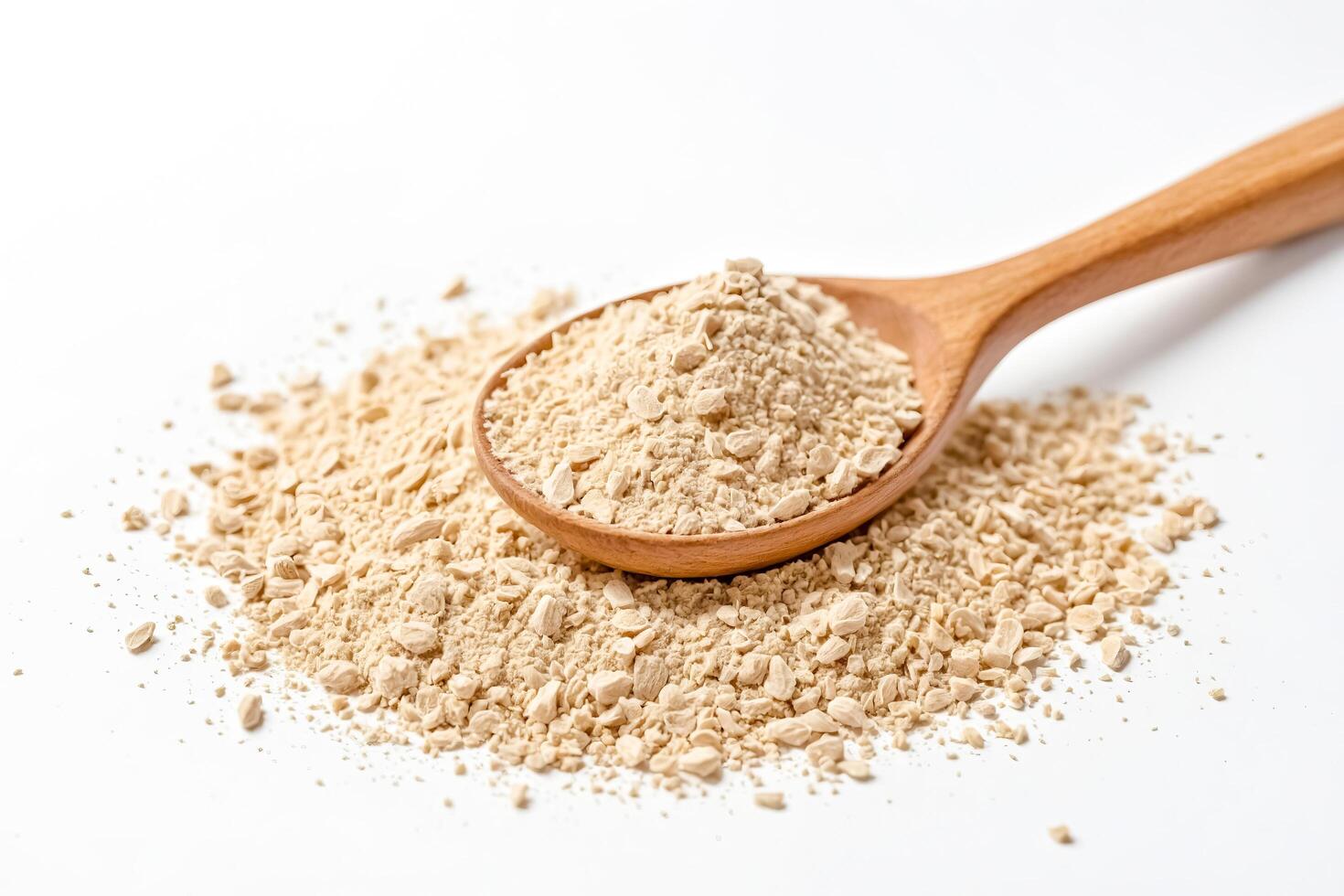
Is Autolyzed Yeast Gluten Free?

Is Autolyzed Yeast Gluten Free?

Autolyzed yeast itself is generally considered gluten-free, as it is derived from yeast and does not naturally contain gluten. However, it’s important to check product labels or with manufacturers, as some autolyzed yeast products may be processed in facilities that also handle gluten-containing ingredients, potentially leading to cross-contamination.

TL;DR

Autolyzed yeast itself is generally considered gluten-free, as it is derived from yeast and does not naturally contain gluten. However, it’s important to check product labels or with manufacturers, as some autolyzed yeast products may be processed in facilities that also handle gluten-containing ingredients, potentially leading to cross-contamination.

Quick Tips

1

Rich source of B vitamins: Particularly B1, B2, B3, B6, and folate, which support energy metabolism and nervous system function

2

High in protein: Contains all essential amino acids, making it a complete protein source

3

Good source of minerals: Provides zinc, selenium, chromium, and magnesium

# In This Article

3 sections

Quick navigation to each section of this article:

1 Benefits of Autolyzed Yeast

Rich source of B vitamins: Particularly B1, B2, B3, B6, and folate, which support energy metabolism and nervous system function

Jump
2 Who should avoid Autolyzed Yeast

People with yeast allergies or sensitivities: Individuals who are allergic or sensitive to yeast should avoid autolyzed yeast.

Jump
3 Related Gluten Free Products

Here are five similar gluten-free options like Autolyzed Yeast, along with short descriptions for each:

Jump

Benefits of Autolyzed Yeast

Benefits of Autolyzed Yeast
Rich source of B vitamins: Particularly B1, B2, B3, B6, and folate, which support energy metabolism and nervous system function
High in protein: Contains all essential amino acids, making it a complete protein source
Good source of minerals: Provides zinc, selenium, chromium, and magnesium
Supports immune function: Contains beta-glucans, which may help boost the immune system
Natural flavor enhancer: Can be used as a salt substitute, potentially reducing sodium intake
Contains glutathione: A powerful antioxidant that supports cellular health
May improve digestion: Contains enzymes that can aid in the breakdown of food
Potential prebiotic properties: May support gut health by promoting beneficial bacteria growth
Low in fat and calories: Can be a nutritious addition to a balanced diet
May help reduce anxiety: Contains GABA (gamma-aminobutyric acid), which has calming effects
Supports liver health: Contains compounds that may aid in detoxification processes
Potential anti-inflammatory properties: May help reduce inflammation in the bodyIt’s important to note that while autolyzed yeast offers these potential benefits, individual responses may vary, and it should be consumed as part of a balanced diet.

Who should avoid Autolyzed Yeast

Who should avoid Autolyzed Yeast
People with yeast allergies or sensitivities: Individuals who are allergic or sensitive to yeast should avoid autolyzed yeast.
Those with inflammatory bowel diseases: Some people with Crohn’s disease or ulcerative colitis may find that yeast products exacerbate their symptoms.
Individuals on a low-sodium diet: Autolyzed yeast can be high in sodium, so those restricting sodium intake should be cautious.
People with migraine sensitivities: Some individuals report that autolyzed yeast triggers migraines.
Those on a low-glutamate diet: Autolyzed yeast is high in glutamates, which some people try to avoid.
Individuals with Candida overgrowth: Some believe that yeast products may exacerbate Candida issues, though scientific evidence is limited.
People following certain diets: Those on specific diets like Whole30 or paleo may choose to avoid autolyzed yeast.
Individuals with MSG sensitivities: Autolyzed yeast contains naturally occurring glutamates, which are similar to MSG.Always consult with a healthcare professional if you have concerns about including autolyzed yeast in your diet.
ENJOY YOUR FAVORITE FOODS FEARLESSLY!
Don’t let gluten hold you back. Take Anti-Gluten Pills before your meal and enjoy peace of mind.
SHOP ANTI-GLUTEN PILLS
Clinically proven · Up to 86% gluten reduction · Fast acting

Here are five similar gluten-free options like Autolyzed Yeast, along with short descriptions for each:

Related Gluten Free Products
Nutritional Yeast:A deactivated yeast product with a nutty, cheesy flavor. It's rich in B-vitamins and often used as a cheese substitute in vegan dishes.
Liquid Aminos:A soy sauce alternative made from soybeans. It has a salty, savory taste and is often used as a seasoning or flavor enhancer.
Mushroom Powder:Made from dried, ground mushrooms, this powder adds an umami flavor to dishes. It's particularly useful in soups, sauces, and as a seasoning.
Miso Paste:A fermented soybean paste that provides a rich, savory flavor. It comes in various types and can be used in soups, marinades, and dressings.
Tamari:A type of soy sauce made without wheat. It has a richer, less salty flavor than regular soy sauce and is commonly used in Asian cuisine.These options can all provide similar umami or savory flavors to dishes while remaining gluten-free, much like Autolyzed Yeast.

Health Information

? Frequently Asked Questions

4 questions
1 Is there gluten in autolyzed yeast?
Autolyzed yeast itself does not naturally contain gluten. However, some autolyzed yeast products may be contaminated with gluten during processing if they are produced in facilities that also handle gluten-containing ingredients. For individuals with celiac disease or gluten sensitivity, it's important to check product labels or contact manufacturers to confirm gluten-free status. In general, most autolyzed yeast is considered gluten-free, but caution is advised for those with severe gluten reactions.
2 What is autolyzed yeast?
Autolyzed yeast is a food ingredient produced by breaking down yeast cells. It's created through a process where yeast's own enzymes break down proteins into smaller compounds. Autolyzed yeast is often used as a flavoring agent, providing a savory, umami taste to foods. It's frequently found in products like vegetable broths, savory snacks, and some vegetarian meat substitutes.
3 Can you eat yeast if you have celiac disease?
Celiac disease is an autoimmune disorder triggered by gluten, not yeast. Most forms of yeast are gluten-free and safe for people with celiac disease to consume. However, it's important to check labels carefully, as some yeasts may be grown on gluten-containing media. If you have celiac disease and are unsure about a specific yeast product, consult with your doctor or a registered dietitian for guidance.
4 Which yeast extracts are gluten free?
Most commercially available yeast extracts are gluten-free. This includes popular brands like Marmite and Vegemite, which are made from spent brewer's yeast but have the gluten removed during processing. However, it's always important to check the label, as some yeast extracts may contain traces of gluten or be produced in facilities that also process gluten-containing products. If you have celiac disease or severe gluten sensitivity, look for yeast extracts that are specifically labeled as gluten-free to ensure safety.
LIVE GLUTEN-FREE WITHOUT THE FUSS!
Introducing Tolerase® G, clinically proven to reduce up to 86% of gluten in under 10 minutes. Experience the freedom to eat what you love.
SHOP ANTI-GLUTEN PILLS
150mg pure Tolerase® G · Reduces gluten by 86% · Under 10 minutes

Our Expert

Drs. Ilse van Asperen, Orthomolecular Therapist and Nutritional Coach

Drs. Ilse van Asperen

Orthomolecular Therapist, Nutritional Coach & Professional Editor

Drs. Ilse van Asperen is a medical doctor specialising in orthomolecular therapy and nutritional coaching. With a background in public and clinical health research and management, she focuses on addressing the root causes of health issues through diet, gut health, and stress reduction. As a professional editor for Little Helpers, she reviews all gluten-free content to ensure accuracy, safety, and scientific credibility. Read more on Drs. Ilse van Asperen's own website

Our Sources

The information on this page is based on reputable health and nutrition organisations, ensuring accuracy and reliability for anyone following a gluten-free diet. For further details, see the sources below.
Sources

Similar Articles

Back to blog