Share
TL;DR
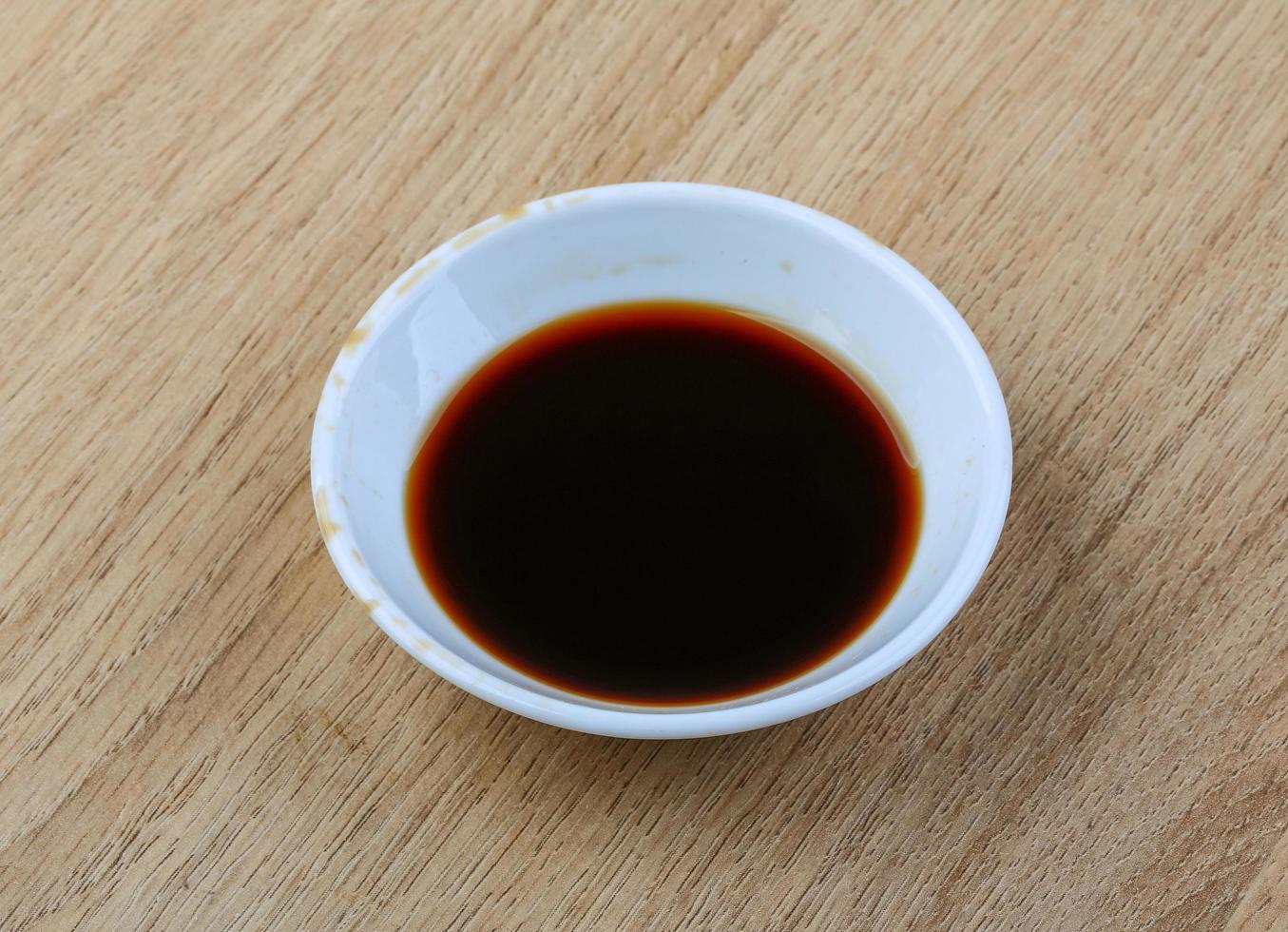
Balsamic glaze is typically gluten-free as it’s primarily made from balsamic vinegar and sometimes sugar, which don’t contain gluten. However, it’s always best to check the label or with the manufacturer to ensure no gluten-containing additives or thickeners have been used in a particular brand or product.
Quick Tips
1Low in calories: Balsamic glaze is relatively low in calories compared to many other condiments or sauces.
2Antioxidant properties: It contains polyphenols, which are antioxidants that can help protect cells from damage.
3May help with blood sugar control: Some studies suggest that balsamic vinegar may help improve insulin sensitivity.
# In This Article
3 sectionsQuick navigation to each section of this article:
1 Benefits of Balsamic Glaze
Low in calories: Balsamic glaze is relatively low in calories compared to many other condiments or sauces.
Jump2 Who should avoid Balsamic Glaze
Diabetics or people monitoring their blood sugar, as balsamic glaze is often high in sugar content
Jump3 Related Gluten Free Products
Here are five similar gluten-free options to Balsamic Glaze, along with short descriptions:
JumpBenefits of Balsamic Glaze
| Benefits of Balsamic Glaze |
|---|
| Low in calories: Balsamic glaze is relatively low in calories compared to many other condiments or sauces. |
| Antioxidant properties: It contains polyphenols, which are antioxidants that can help protect cells from damage. |
| May help with blood sugar control: Some studies suggest that balsamic vinegar may help improve insulin sensitivity. |
| Potential digestive aid: The acetic acid in balsamic vinegar may aid digestion and help with nutrient absorption. |
| Heart health: Some research indicates that balsamic vinegar may help lower cholesterol and triglycerides. |
| Supports weight management: The tangy flavor can enhance the taste of foods without adding significant calories. |
| Contains minerals: Balsamic glaze contains small amounts of calcium, iron, manganese, and potassium. |
| Potential antimicrobial properties: The acetic acid in balsamic vinegar may help fight bacteria. |
| May reduce blood pressure: Some studies suggest that regular consumption of balsamic vinegar may help lower blood pressure. |
| Promotes satiety: The strong flavor can help increase feelings of fullness, potentially aiding in portion control.Remember that balsamic glaze is often concentrated and may contain added sugars, so it should be consumed in moderation as part of a balanced diet. |
Who should avoid Balsamic Glaze
| Who should avoid Balsamic Glaze |
|---|
| Diabetics or people monitoring their blood sugar, as balsamic glaze is often high in sugar content |
| Individuals on a low-carb or ketogenic diet, due to its carbohydrate content |
| People with sulfite sensitivities, as some balsamic vinegars contain sulfites |
| Those with histamine intolerance, as fermented products like balsamic vinegar can be high in histamines |
| Individuals following a low-acid diet, as balsamic glaze is acidic |
| People with certain digestive issues who are sensitive to acidic foods |
| Those on a low-sodium diet, as some commercial balsamic glazes may contain added salt |
| Individuals with allergies to grapes or wine, as balsamic vinegar is made from grapes |
| People taking certain medications that interact with high-potassium foods (balsamic vinegar contains some potassium) |
| Young children, due to its strong flavor and potential choking hazard if very thick |
| Those watching their calorie intake, as balsamic glaze can be calorie-denseRemember, it’s always best to consult with a healthcare professional or nutritionist for personalized advice regarding dietary restrictions or concerns. |
Related Gluten Free Products
Here are five similar gluten-free options to Balsamic Glaze, along with short descriptions:
| Related Gluten Free Products |
|---|
| Aged Balsamic Vinegar- A rich, syrupy vinegar made from grape must, aged for years in wooden barrels. It has a complex, sweet-tart flavor and is naturally gluten-free. |
| Pomegranate Molasses- A thick, tangy syrup made from reduced pomegranate juice. It offers a sweet and sour flavor profile and is commonly used in Middle Eastern cuisine. |
| Honey- A natural sweetener produced by bees, honey comes in various flavors depending on the flower source. It can be used as a glaze or drizzle for both sweet and savory dishes. |
| Maple Syrup- A natural sweetener made from the sap of maple trees. It has a distinct flavor and can be used as a glaze for meats or a topping for various dishes. |
| Reduced Wine Sauce- A sauce made by simmering wine until it becomes syrupy. It can be made with red or white wine and offers a rich, concentrated flavor perfect for glazing or drizzling. |
Health Information
? Frequently Asked Questions
4 questions1 Does balsamic contain gluten?
2 What is a balsamic glaze made of?
3 Does Bertolli balsamic glaze have gluten?
4 Is Alessi balsamic glaze gluten-free?
Our Expert
Drs. Ilse van Asperen
Orthomolecular Therapist, Nutritional Coach & Professional Editor
Drs. Ilse van Asperen is a medical doctor specialising in orthomolecular therapy and nutritional coaching. With a background in public and clinical health research and management, she focuses on addressing the root causes of health issues through diet, gut health, and stress reduction. As a professional editor for Little Helpers, she reviews all gluten-free content to ensure accuracy, safety, and scientific credibility. Read more on Drs. Ilse van Asperen's own website
Our Sources
The information on this page is based on reputable health and nutrition organisations, ensuring accuracy and reliability for anyone following a gluten-free diet. For further details, see the sources below.