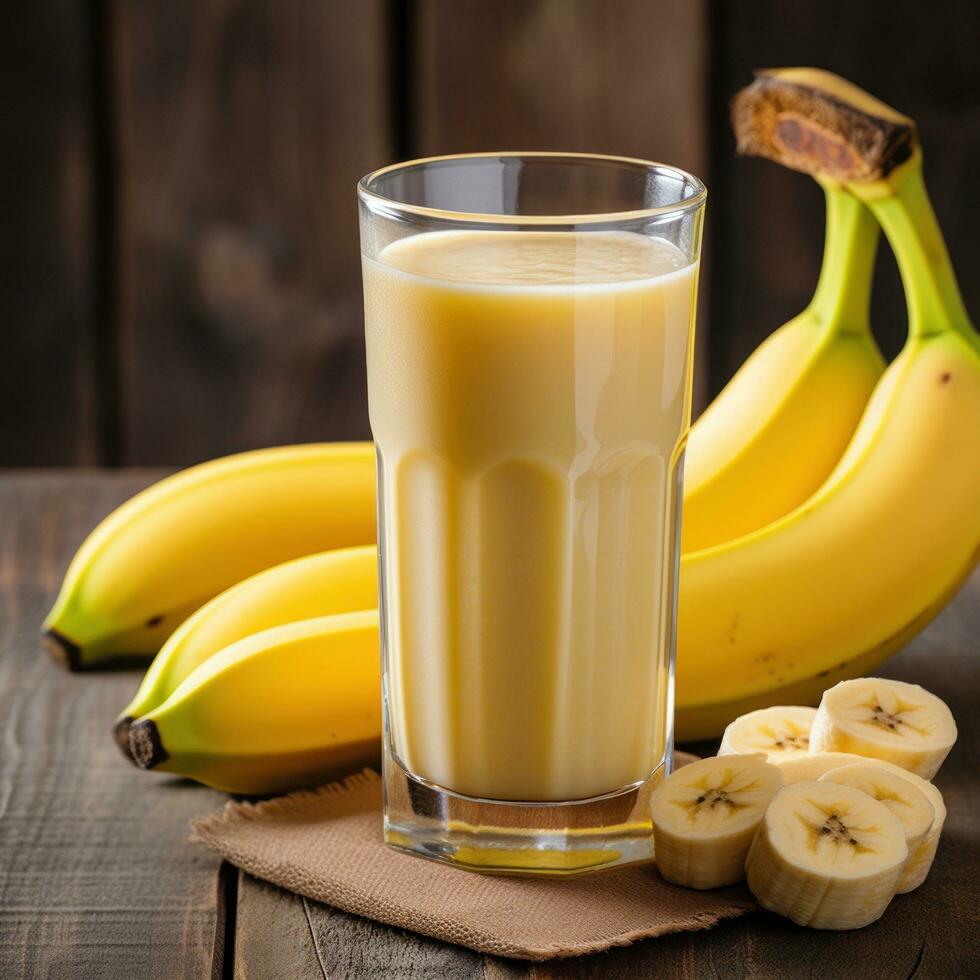
Is Banana Gluten Free?

Is Banana Gluten Free?

Yes, bananas are naturally gluten-free. They do not contain any wheat, barley, rye, or other gluten-containing ingredients.

TL;DR

Yes, bananas are naturally gluten-free. They do not contain any wheat, barley, rye, or other gluten-containing ingredients.

Quick Tips

1

Rich in potassium, which supports heart health and blood pressure regulation

2

Good source of dietary fiber, aiding digestion and promoting feelings of fullness

3

Contains vitamin B6, important for brain function and metabolism

# In This Article

3 sections

Quick navigation to each section of this article:

1 Benefits of Banana

Rich in potassium, which supports heart health and blood pressure regulation

Jump
2 Who should avoid Banana

People with a banana allergy

Jump
3 Related Gluten Free Products

Here are five gluten-free options similar to banana, along with a short description for each:

Jump

Benefits of Banana

Benefits of Banana
Rich in potassium, which supports heart health and blood pressure regulation
Good source of dietary fiber, aiding digestion and promoting feelings of fullness
Contains vitamin B6, important for brain function and metabolism
Provides vitamin C, supporting immune function and skin health
Contains manganese, essential for bone health and wound healing
Offers natural energy from carbohydrates, making it a great pre-workout snack
Contains prebiotics that support gut health and beneficial bacteria
May help reduce muscle cramps due to its magnesium and potassium content
Low in calories and fat, making it a good option for weight management
Contains antioxidants that may help reduce the risk of chronic diseases
May help regulate blood sugar levels due to its fiber and resistant starch content
Can aid in hydration due to its high water and electrolyte content
May support kidney health by regulating sodium levels in the body
Contains tryptophan, which may help improve mood and sleep quality

Who should avoid Banana

Who should avoid Banana
People with a banana allergy
Individuals with latex allergies (due to potential cross-reactivity)
Those with potassium restrictions, such as some kidney disease patients
People taking certain medications that can raise potassium levels (e.g., ACE inhibitors, beta-blockers)
Individuals with migraines triggered by tyramine (bananas contain small amounts)
Those following a very low-carb or ketogenic diet
People with diabetes who need to carefully monitor their carbohydrate intake
Individuals with fructose malabsorption or intolerance
Those following a low FODMAP diet for digestive issues
People with oral allergy syndrome who react to bananas
Individuals trying to reduce their sugar intake for various health reasonsRemember that it’s always best to consult with a healthcare professional or registered dietitian for personalized advice regarding dietary restrictions or concerns.
ENJOY YOUR FAVORITE FOODS FEARLESSLY!
Don’t let gluten hold you back. Take Anti-Gluten Pills before your meal and enjoy peace of mind.
SHOP ANTI-GLUTEN PILLS
Clinically proven · Up to 86% gluten reduction · Fast acting

Here are five gluten-free options similar to banana, along with a short description for each:

Related Gluten Free Products
Plantain: A starchy, less sweet relative of the banana, often used in savory dishes when green and in sweet dishes when ripe. It can be cooked in various ways, including frying, baking, and boiling.
Mango: A tropical fruit with a sweet, juicy flesh and large pit. It's rich in vitamins A and C, and can be eaten fresh or used in smoothies, desserts, and savory dishes.
Papaya: A tropical fruit with soft, orange flesh and black seeds. It's high in antioxidants and enzymes that aid digestion. It can be eaten raw or used in salads and smoothies.
Sweet potato: A starchy root vegetable with a sweet flavor. It's rich in fiber, vitamins, and minerals. It can be baked, roasted, mashed, or used in both sweet and savory dishes.
Avocado: A creamy fruit high in healthy fats and fiber. It has a mild flavor and can be used in both sweet and savory dishes, from smoothies to salads to spreads.

Health Information

? Frequently Asked Questions

4 questions
1 What fruit is not gluten-free?
All fresh fruits are naturally gluten-free. Gluten is a protein found in wheat, barley, and rye, which are grains, not fruits. There are no fruits that contain gluten in their natural state. However, it's important to be cautious with processed or packaged fruit products, as they may contain gluten-containing additives or be processed in facilities that handle gluten.
2 What 9 foods are gluten-free?
Rice, corn, quinoa, and potatoes are naturally gluten-free grains and starches. Fruits, vegetables, meat, fish, and eggs are all inherently gluten-free foods. Nuts, seeds, and legumes are also safe options for those avoiding gluten. Dairy products like milk, cheese, and yogurt are typically gluten-free, but it's always best to check labels for any additives.
3 Why are eggs not gluten-free?
Eggs are naturally gluten-free. They do not contain any wheat, barley, rye, or other gluten-containing grains. Eggs are a pure protein source that is safe for those with celiac disease or gluten sensitivity to consume. The misconception that eggs contain gluten likely stems from confusion about ingredients or cross-contamination issues in some prepared egg dishes.
4 Does peanut butter have gluten?
Peanut butter itself does not naturally contain gluten. However, some brands may add ingredients that contain gluten or process their peanut butter in facilities that also handle gluten-containing products. To be certain, it's best to check the label for any gluten-containing additives or cross-contamination warnings. Pure peanut butter made from just peanuts and salt is generally gluten-free.
LIVE GLUTEN-FREE WITHOUT THE FUSS!
Introducing Tolerase® G, clinically proven to reduce up to 86% of gluten in under 10 minutes. Experience the freedom to eat what you love.
SHOP ANTI-GLUTEN PILLS
150mg pure Tolerase® G · Reduces gluten by 86% · Under 10 minutes

Our Expert

Drs. Ilse van Asperen, Orthomolecular Therapist and Nutritional Coach

Drs. Ilse van Asperen

Orthomolecular Therapist, Nutritional Coach & Professional Editor

Drs. Ilse van Asperen is a medical doctor specialising in orthomolecular therapy and nutritional coaching. With a background in public and clinical health research and management, she focuses on addressing the root causes of health issues through diet, gut health, and stress reduction. As a professional editor for Little Helpers, she reviews all gluten-free content to ensure accuracy, safety, and scientific credibility. Read more on Drs. Ilse van Asperen's own website

Our Sources

The information on this page is based on reputable health and nutrition organisations, ensuring accuracy and reliability for anyone following a gluten-free diet. For further details, see the sources below.
Sources

Similar Articles

Back to blog