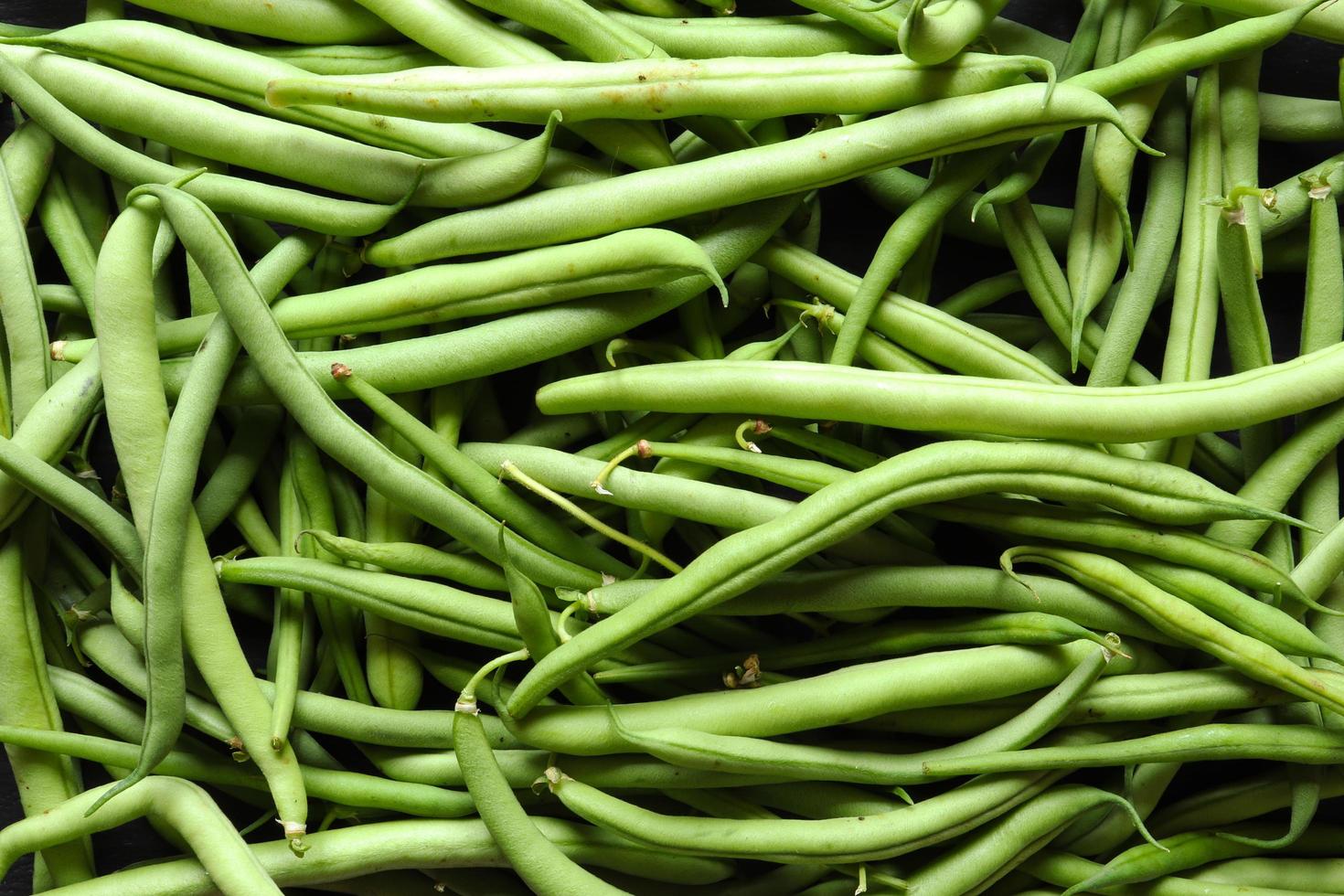
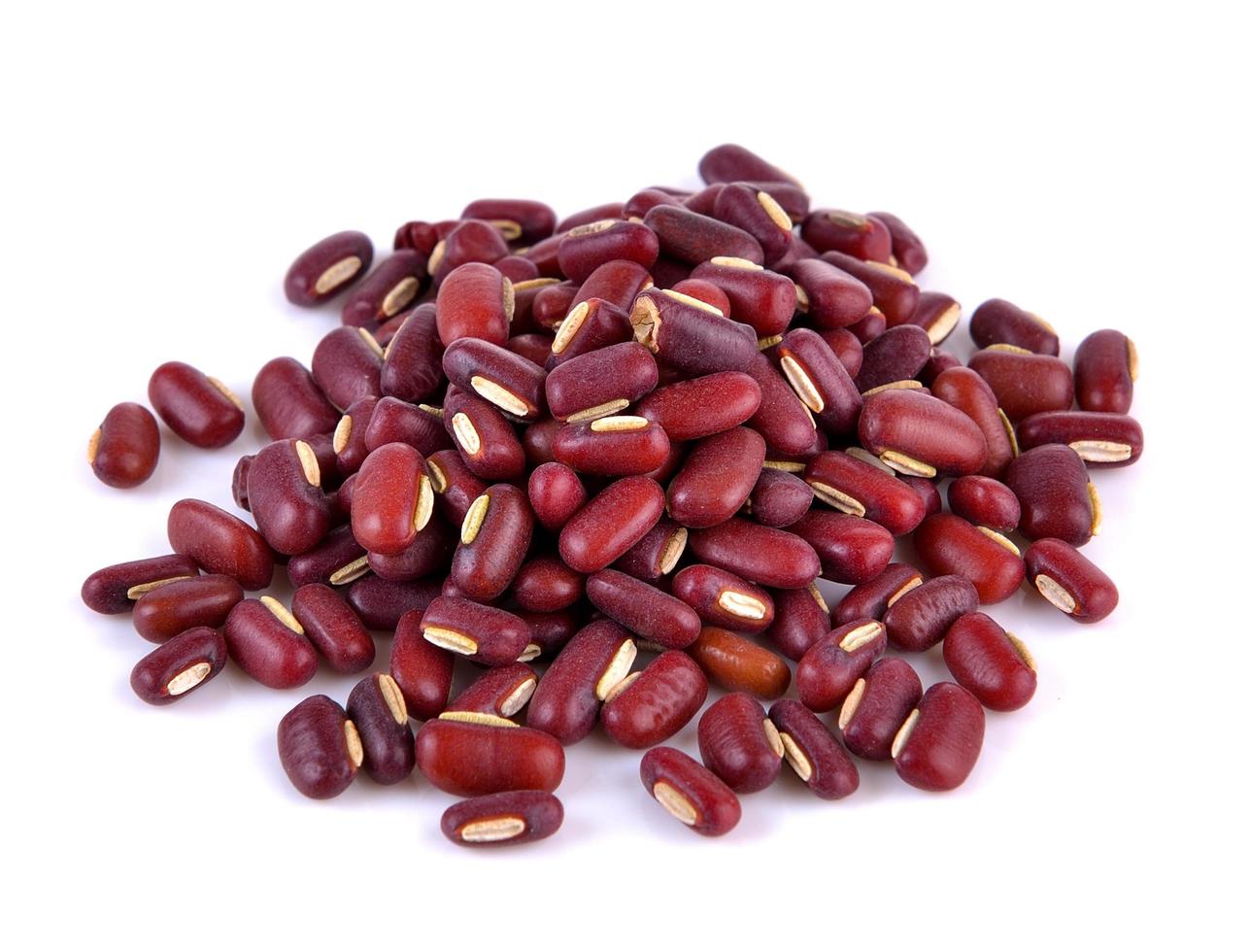
Is Beans Gluten Free?

Is Beans Gluten Free?

Generally speaking, beans are naturally gluten-free. However, it’s important to check packaging labels, as some prepared bean products may contain added ingredients that contain gluten or may be processed in facilities that also handle gluten-containing foods.

TL;DR

Generally speaking, beans are naturally gluten-free. However, it’s important to check packaging labels, as some prepared bean products may contain added ingredients that contain gluten or may be processed in facilities that also handle gluten-containing foods.

Quick Tips

1

High in protein: Beans are an excellent source of plant-based protein

2

Rich in fiber: Promotes digestive health and helps maintain healthy blood sugar levels

3

Low in fat: Most beans are naturally low in fat, making them heart-healthy

# In This Article

3 sections

Quick navigation to each section of this article:

1 Benefits of Beans

High in protein: Beans are an excellent source of plant-based protein

Jump
2 Who should avoid Beans

People with alpha-galactosidase deficiency (a digestive enzyme)

Jump
3 Related Gluten Free Products

Here are five gluten-free options similar to beans, along with short descriptions:

Jump

Benefits of Beans

Benefits of Beans
High in protein: Beans are an excellent source of plant-based protein
Rich in fiber: Promotes digestive health and helps maintain healthy blood sugar levels
Low in fat: Most beans are naturally low in fat, making them heart-healthy
Packed with nutrients: Contains vitamins and minerals like iron, folate, magnesium, and potassium
May lower cholesterol: The soluble fiber in beans can help reduce LDL (bad) cholesterol levels
Helps with weight management: The combination of protein and fiber helps you feel full longer
Stabilizes blood sugar: The complex carbohydrates in beans are digested slowly, preventing spikes in blood sugar
Antioxidant properties: Many beans contain antioxidants that help fight free radicals in the body
May reduce cancer risk: Some studies suggest that regular bean consumption may lower the risk of certain cancers
Improves gut health: The fiber in beans acts as a prebiotic, promoting beneficial gut bacteria
Budget-friendly nutrition: Beans are an affordable source of many essential nutrients
Versatile in cooking: Can be used in a wide variety of dishes, making it easy to incorporate into your diet
May increase longevity: Regular consumption of legumes is associated with increased lifespan in some populationsRemember that different types of beans may offer slightly different nutritional profiles, but all are generally beneficial to health when consumed as part of a balanced diet.

Who should avoid Beans

Who should avoid Beans
People with alpha-galactosidase deficiency (a digestive enzyme)
Individuals with irritable bowel syndrome (IBS), especially during flare-ups
Those with inflammatory bowel diseases (IBD) like Crohn’s disease or ulcerative colitis, during active phases
People following a low FODMAP diet for digestive issues
Individuals with a legume allergy
Those with gout or a history of gout attacks (particularly for certain bean varieties)
People with kidney problems, who may need to limit their intake of high-potassium foods
Individuals prone to kidney stones (due to high oxalate content in some beans)
Those on blood-thinning medications (due to high vitamin K content in some beans)
People with G6PD deficiency (a genetic disorder), particularly when consuming fava beans
Individuals following specific low-carb diets
Those with severe gastrointestinal sensitivities or disordersIt’s important to note that many of these restrictions are situational or apply only to certain types of beans. Always consult with a healthcare professional for personalized dietary advice.
ENJOY YOUR FAVORITE FOODS FEARLESSLY!
Don’t let gluten hold you back. Take Anti-Gluten Pills before your meal and enjoy peace of mind.
SHOP ANTI-GLUTEN PILLS
Clinically proven · Up to 86% gluten reduction · Fast acting

Here are five gluten-free options similar to beans, along with short descriptions:

Related Gluten Free Products
Lentils: Small, lens-shaped legumes that come in various colors. They cook quickly and are rich in protein, fiber, and minerals. Lentils are versatile and can be used in soups, salads, and as a meat substitute.
Chickpeas (Garbanzo beans): Round, beige-colored legumes with a nutty flavor. High in protein and fiber, chickpeas are commonly used in Mediterranean and Middle Eastern cuisines. They're great for making hummus, falafel, and adding to salads.
Quinoa: A seed that's often used as a grain substitute. It's a complete protein source and rich in minerals. Quinoa has a slightly nutty flavor and fluffy texture, making it perfect for salads, side dishes, and as a base for grain bowls.
Amaranth: A tiny, ancient grain-like seed that's gluten-free and high in protein. It has a slightly peppery taste and can be cooked like rice, popped like popcorn, or ground into flour for baking.
Buckwheat: Despite its name, buckwheat is not related to wheat and is gluten-free. It's a seed with a nutty flavor that can be cooked whole, ground into flour, or used to make soba noodles. Buckwheat is rich in minerals and antioxidants.

Health Information

? Frequently Asked Questions

4 questions
1 What beans are not gluten-free?
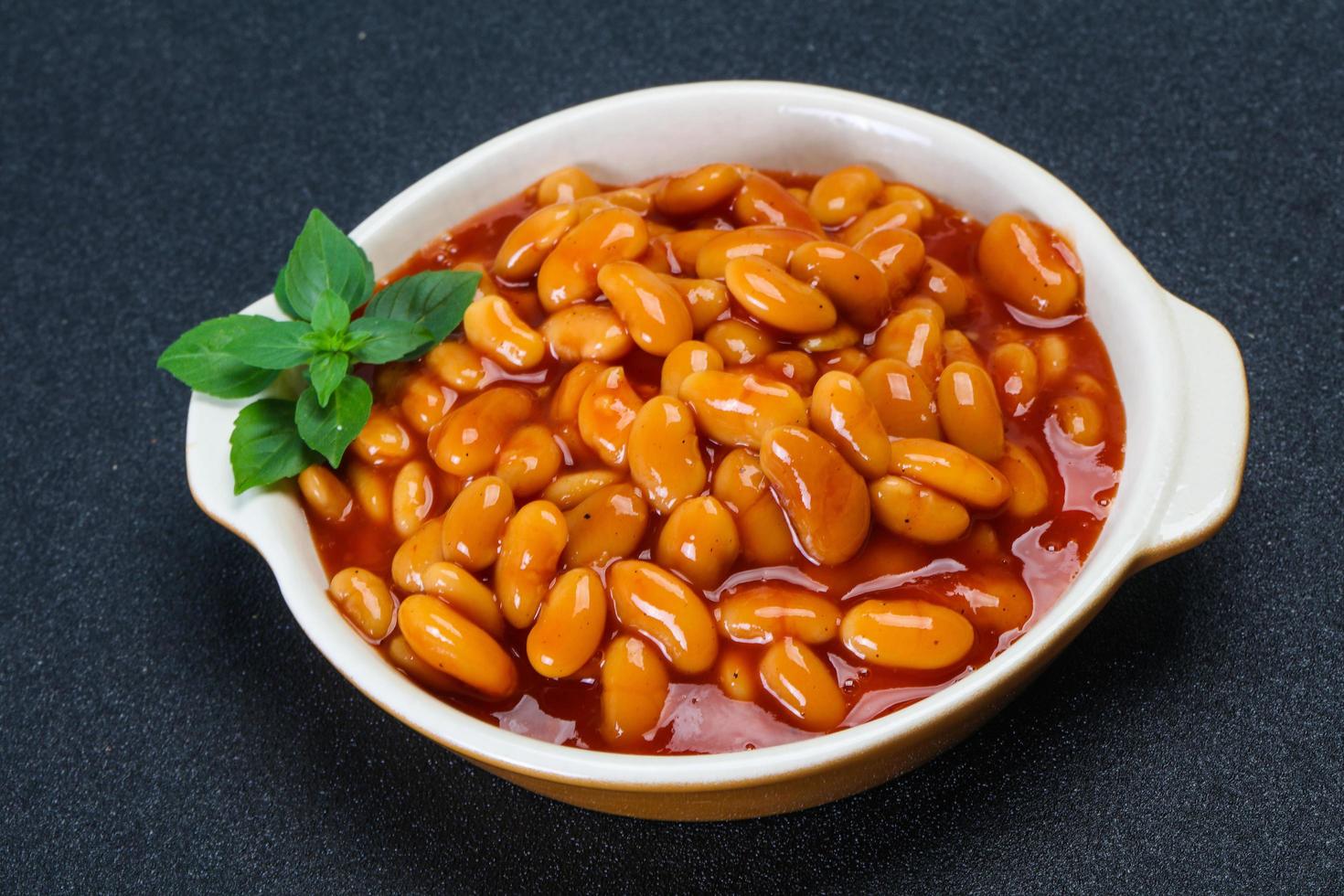
Most beans are naturally gluten-free. However, some processed bean products may contain gluten due to additives or cross-contamination during manufacturing. Baked beans are one example that often contains gluten from added ingredients like malt vinegar or wheat flour. It's important for those with celiac disease or gluten sensitivity to check labels carefully when buying canned or pre-prepared bean products.
2 Do any vegetables have gluten?
Gluten is a protein found in wheat, barley, and rye. Vegetables themselves do not naturally contain gluten. However, some processed or prepared vegetable products may contain gluten due to added ingredients or cross-contamination during manufacturing. It's important for those with gluten sensitivities or celiac disease to carefully check labels and preparation methods when consuming prepared vegetable dishes.
3 Do eggs have gluten?
No, eggs do not contain gluten. Gluten is a protein found in wheat, barley, and rye. Eggs are naturally gluten-free and safe for people with celiac disease or gluten sensitivity to consume. However, it's important to be cautious of potential cross-contamination if eggs are prepared in facilities that also handle gluten-containing ingredients.
4 Are Van Camp's baked beans gluten-free?
Van Camp's baked beans do not contain any gluten ingredients in their standard recipe. However, the company does not specifically label their products as gluten-free. There's a possibility of cross-contamination during the manufacturing process. For those with celiac disease or severe gluten sensitivity, it's best to contact the company directly for the most up-to-date information on their gluten-free status.
LIVE GLUTEN-FREE WITHOUT THE FUSS!
Introducing Tolerase® G, clinically proven to reduce up to 86% of gluten in under 10 minutes. Experience the freedom to eat what you love.
SHOP ANTI-GLUTEN PILLS
150mg pure Tolerase® G · Reduces gluten by 86% · Under 10 minutes

Our Expert

Drs. Ilse van Asperen, Orthomolecular Therapist and Nutritional Coach

Drs. Ilse van Asperen

Orthomolecular Therapist, Nutritional Coach & Professional Editor

Drs. Ilse van Asperen is a medical doctor specialising in orthomolecular therapy and nutritional coaching. With a background in public and clinical health research and management, she focuses on addressing the root causes of health issues through diet, gut health, and stress reduction. As a professional editor for Little Helpers, she reviews all gluten-free content to ensure accuracy, safety, and scientific credibility. Read more on Drs. Ilse van Asperen's own website

Our Sources

The information on this page is based on reputable health and nutrition organisations, ensuring accuracy and reliability for anyone following a gluten-free diet. For further details, see the sources below.
Sources

Similar Articles

Back to blog