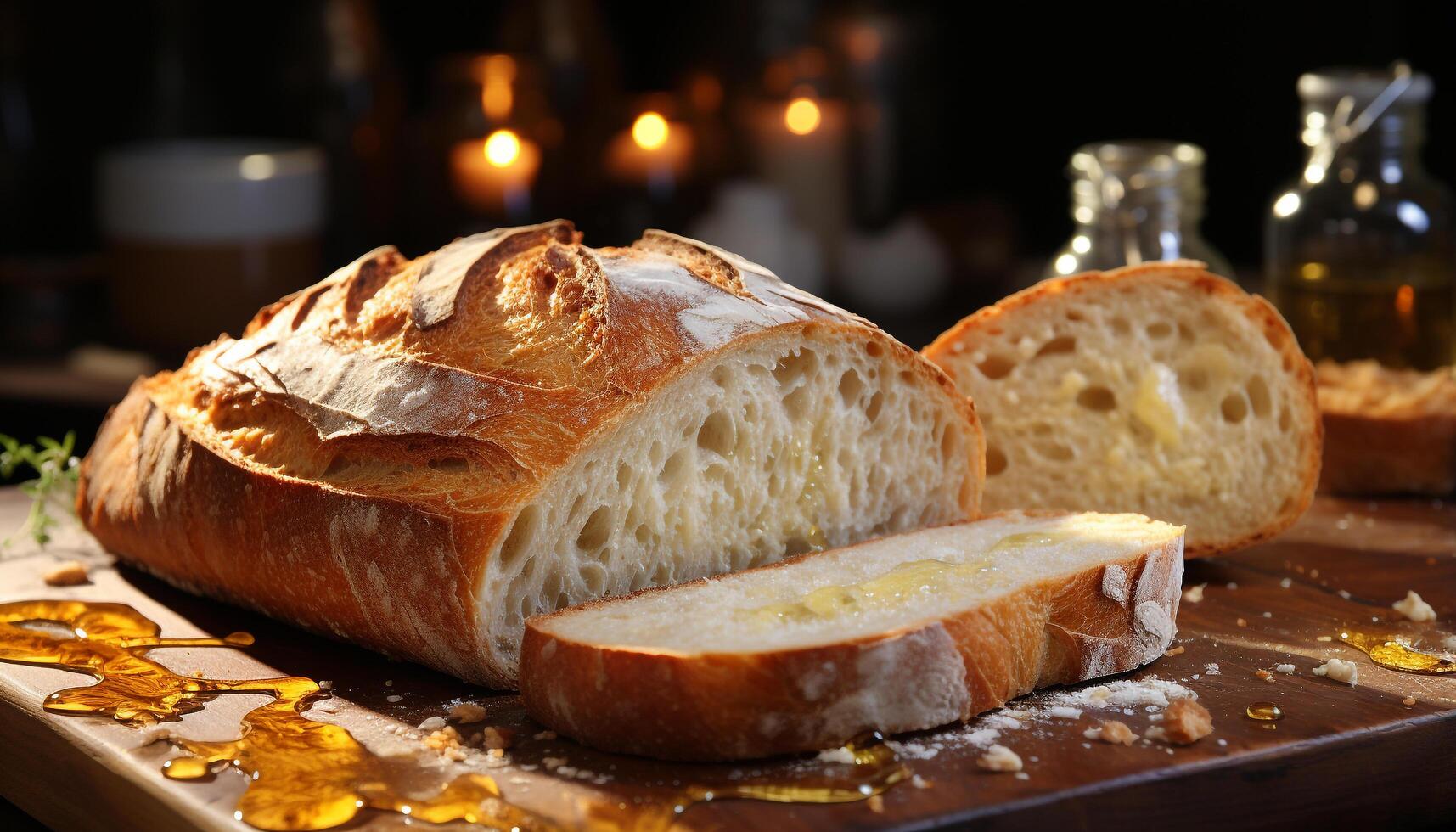
Is Bread Gluten Free?

Is Bread Gluten Free?

Most bread is not gluten-free, as it is typically made from wheat flour which contains gluten. However, there are specially made gluten-free breads available, which use alternative flours like rice, almond, or coconut flour instead of wheat flour.

TL;DR

Most bread is not gluten-free, as it is typically made from wheat flour which contains gluten. However, there are specially made gluten-free breads available, which use alternative flours like rice, almond, or coconut flour instead of wheat flour.

Quick Tips

1

Good source of carbohydrates for energy

2

Provides dietary fiber, which aids digestion and promotes feelings of fullness

3

Contains essential B vitamins, including thiamin, riboflavin, niacin, and folate

# In This Article

3 sections

Quick navigation to each section of this article:

1 Benefits of Bread

Good source of carbohydrates for energy

Jump
2 Who should avoid Bread

Individuals with celiac disease

Jump
3 Gluten Free Alternatives

Here are five gluten-free alternatives to bread, along with short descriptions for each:

Jump

Benefits of Bread

Benefits of Bread
Good source of carbohydrates for energy
Provides dietary fiber, which aids digestion and promotes feelings of fullness
Contains essential B vitamins, including thiamin, riboflavin, niacin, and folate
Offers minerals such as iron, magnesium, and selenium
Can be a good source of protein, especially in whole grain breads
Fortified breads provide additional nutrients like calcium and vitamin D
Low in fat, especially when eaten without added spreads
Whole grain breads may help reduce the risk of heart disease
May assist in weight management when consumed as part of a balanced diet
Can help stabilize blood sugar levels, particularly whole grain varieties
Provides a vehicle for other nutritious foods (e.g., as a base for sandwiches)
Some varieties contain beneficial seeds and nuts, adding healthy fats and nutrients
Can be a good source of antioxidants, especially in whole grain breads
May contribute to improved gut health due to prebiotic fibersNote that the nutritional value can vary significantly depending on the type of bread and ingredients used.

Who should avoid Bread

Who should avoid Bread
Individuals with celiac disease
People with non-celiac gluten sensitivity
Those with wheat allergies
Individuals following a low-carb or ketogenic diet
People with certain digestive disorders, such as irritable bowel syndrome (IBS)
Those following a paleo or grain-free diet
Individuals with diabetes who need to control their carbohydrate intake
People with specific yeast allergies
Those following an elimination diet to identify food sensitivities
Individuals with certain autoimmune conditions who may benefit from a grain-free diet
People trying to lose weight and reduce their overall calorie intake
Those with FODMAPs sensitivities (some types of bread)
Individuals following specific religious or cultural dietary restrictionsIt’s important to note that not everyone in these categories needs to completely avoid bread, and the decision should be made in consultation with a healthcare professional or registered dietitian.
ENJOY YOUR FAVORITE FOODS FEARLESSLY!
Don’t let gluten hold you back. Take Anti-Gluten Pills before your meal and enjoy peace of mind.
SHOP ANTI-GLUTEN PILLS
Clinically proven · Up to 86% gluten reduction · Fast acting

Gluten Free Alternatives

Here are five gluten-free alternatives to bread, along with short descriptions for each:

Gluten Free Alternatives
Lettuce Wraps- Large, sturdy lettuce leaves (like romaine or butter lettuce) used as a low-carb, crisp alternative to bread for sandwiches and wraps. They provide a fresh, light option with added nutrients.
Corn Tortillas- Made from corn flour (masa harina), these flat, round discs are naturally gluten-free. They're versatile for use in Mexican cuisine, as well as for wraps, pizza bases, or cut into chips for dipping.
Rice Cakes- Light, crunchy discs made from puffed rice. They come in various flavors and can be used as a base for toppings or as a snack. They're low in calories but also low in nutrients.
Portobello Mushroom Caps- Large, meaty mushroom caps that can be grilled or baked and used as a bread substitute for burgers or sandwiches. They add a rich, umami flavor and provide additional nutrients.
Cauliflower Bread- Made from riced cauliflower, eggs, and cheese, this low-carb alternative mimics the texture of bread. It can be used for sandwiches, pizza bases, or as a side dish, offering a vegetable-rich option with fewer calories than traditional bread.

Health Information

? Frequently Asked Questions

4 questions
1 What type of bread is gluten-free?
Gluten-free bread can be made from various alternative flours. Common options include rice flour, almond flour, coconut flour, and tapioca flour. Some popular gluten-free breads are made with a blend of these flours to achieve a texture similar to wheat bread. Commercial gluten-free breads may also contain additives to improve texture and shelf life.
2 Can you eat bread if you are gluten-free?
Generally, people following a gluten-free diet cannot eat traditional bread made with wheat, barley, or rye. However, there are many gluten-free bread options available made from alternative flours like rice, almond, or coconut flour. These breads are specially formulated to be safe for those with gluten sensitivities or celiac disease. It's important to always check labels carefully to ensure the bread is truly gluten-free.
3 What foods are high in gluten?
Wheat-based products like bread, pasta, and cereals are high in gluten. Barley and rye also contain significant amounts of gluten. Many processed foods, such as certain sauces, dressings, and packaged snacks, often contain gluten as an additive. Beer and some other alcoholic beverages made from grains can also be high in gluten.
4 What foods should you avoid on a gluten-free diet?
On a gluten-free diet, you should avoid wheat, barley, rye, and any products containing these grains. This includes common foods like bread, pasta, cereals, and beer. Many processed foods and sauces may also contain hidden gluten, so it's important to read labels carefully. Some unexpected items to watch out for include soy sauce, certain seasonings, and even some medications or supplements.
LIVE GLUTEN-FREE WITHOUT THE FUSS!
Introducing Tolerase® G, clinically proven to reduce up to 86% of gluten in under 10 minutes. Experience the freedom to eat what you love.
SHOP ANTI-GLUTEN PILLS
150mg pure Tolerase® G · Reduces gluten by 86% · Under 10 minutes

Our Expert

Drs. Ilse van Asperen, Orthomolecular Therapist and Nutritional Coach

Drs. Ilse van Asperen

Orthomolecular Therapist, Nutritional Coach & Professional Editor

Drs. Ilse van Asperen is a medical doctor specialising in orthomolecular therapy and nutritional coaching. With a background in public and clinical health research and management, she focuses on addressing the root causes of health issues through diet, gut health, and stress reduction. As a professional editor for Little Helpers, she reviews all gluten-free content to ensure accuracy, safety, and scientific credibility. Read more on Drs. Ilse van Asperen's own website

Our Sources

The information on this page is based on reputable health and nutrition organisations, ensuring accuracy and reliability for anyone following a gluten-free diet. For further details, see the sources below.
Sources

Similar Articles

Back to blog