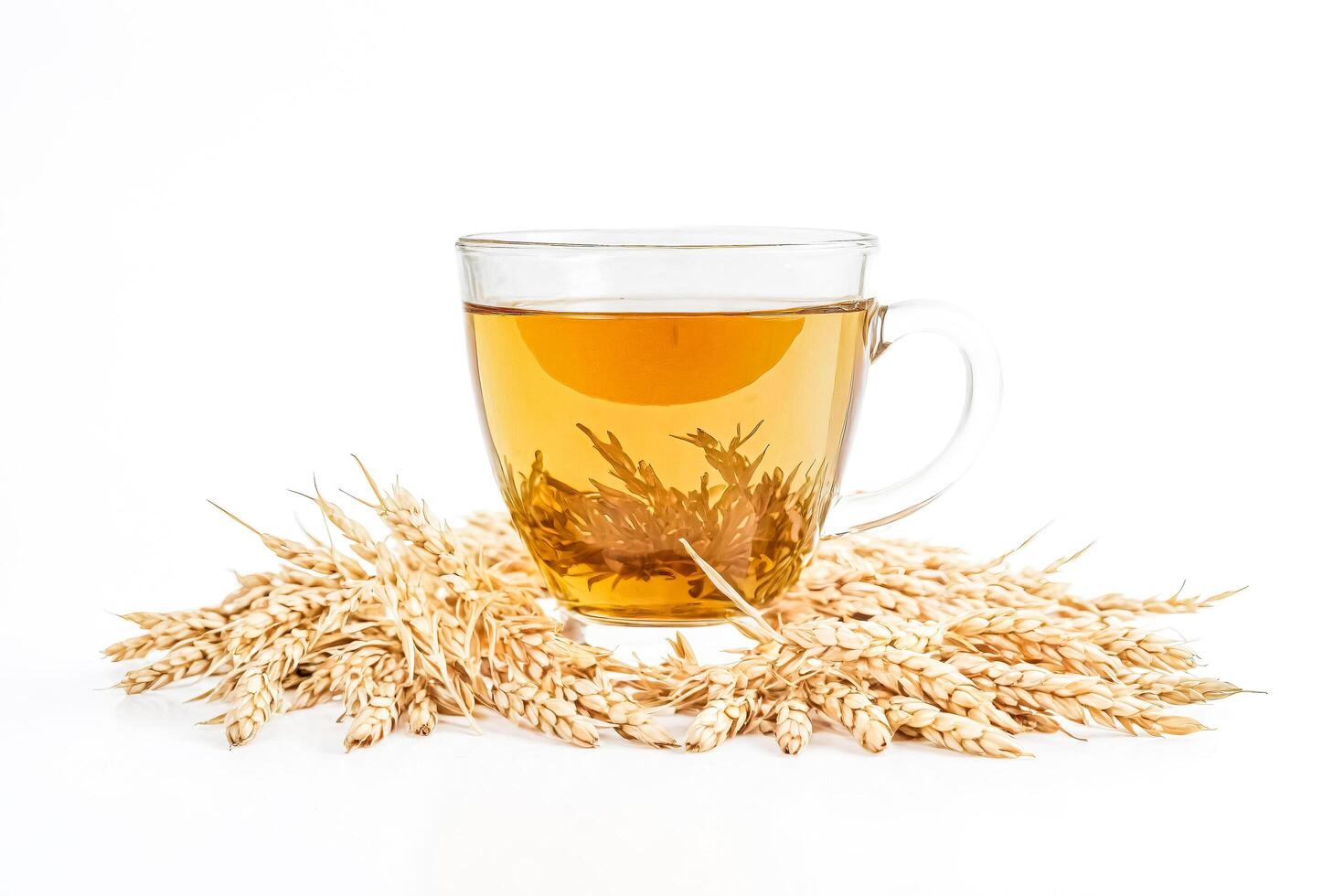
Is Bubble Tea Gluten Free?

Is Bubble Tea Gluten Free?

Generally speaking, most bubble tea is gluten-free as its main ingredients (tea, milk, and tapioca pearls) do not contain gluten. However, it’s important to check with the specific bubble tea shop or brand, as some flavored syrups or added ingredients may contain gluten, and cross-contamination can occur in preparation areas that also handle gluten-containing products.

TL;DR

Generally speaking, most bubble tea is gluten-free as its main ingredients (tea, milk, and tapioca pearls) do not contain gluten. However, it’s important to check with the specific bubble tea shop or brand, as some flavored syrups or added ingredients may contain gluten, and cross-contamination can occur in preparation areas that also handle gluten-containing products.

Quick Tips

1

Antioxidants: Tea-based bubble teas may contain antioxidants, which can help fight free radicals in the body.

2

Hydration: The liquid content can contribute to daily fluid intake.

3

Calcium: If made with milk or fortified non-dairy alternatives, it can provide some calcium.

# In This Article

3 sections

Quick navigation to each section of this article:

1 Benefits of Bubble Tea

Antioxidants: Tea-based bubble teas may contain antioxidants, which can help fight free radicals in the body.

Jump
2 Who should avoid Bubble Tea

Diabetics: Due to the high sugar content in most bubble tea drinks

Jump
3 Related Gluten Free Products

Here are five gluten-free options similar to Bubble Tea, along with short descriptions:

Jump

Benefits of Bubble Tea

Benefits of Bubble Tea
Antioxidants: Tea-based bubble teas may contain antioxidants, which can help fight free radicals in the body.
Hydration: The liquid content can contribute to daily fluid intake.
Calcium: If made with milk or fortified non-dairy alternatives, it can provide some calcium.
Energy boost: The caffeine in tea-based bubble teas can provide a mild energy boost.
Probiotics: Some shops offer probiotic-enhanced bubble teas, which may support gut health.
Customizable: Can be made with healthier alternatives like fresh fruit, lower sugar options, or non-dairy milks.
Tapioca pearls: Provide some resistant starch, which may have prebiotic effects.
Mental relaxation: The act of drinking bubble tea can be a enjoyable, stress-relieving activity for some people.It’s important to remember that many bubble tea drinks are high in sugar and calories, so they should be consumed in moderation as part of a balanced diet.

Who should avoid Bubble Tea

Who should avoid Bubble Tea
Diabetics: Due to the high sugar content in most bubble tea drinks
People with tapioca or cassava allergies: As the bubbles are typically made from tapioca starch
Individuals with dairy allergies or lactose intolerance: If the bubble tea contains milk or creamer
Those on a low-carb or ketogenic diet: Because of the high carbohydrate content
People with celiac disease or gluten sensitivity: Some bubble tea ingredients may contain gluten
Individuals with digestive issues: The tapioca pearls can be difficult to digest for some people
Young children: Due to the choking hazard posed by the tapioca pearls
People with dental issues: The chewy texture of the pearls may cause problems for those with dental work
Individuals trying to lose weight: Because of the high calorie content in most bubble tea drinks
Those with caffeine sensitivity: If the bubble tea contains tea or coffee
Pregnant women: Should limit their intake due to potential high sugar and caffeine content
People with certain food colorings or additive sensitivities: As some bubble teas contain artificial colors or flavorsRemember, moderation is key for those who can safely consume bubble tea, and it’s always best to consult with a healthcare professional if you have specific health concerns.
ENJOY YOUR FAVORITE FOODS FEARLESSLY!
Don’t let gluten hold you back. Take Anti-Gluten Pills before your meal and enjoy peace of mind.
SHOP ANTI-GLUTEN PILLS
Clinically proven · Up to 86% gluten reduction · Fast acting

Here are five gluten-free options similar to Bubble Tea, along with short descriptions:

Related Gluten Free Products
Fruit Tea with Jelly: A refreshing blend of brewed tea and fruit juices, served with chewy fruit jellies. These jellies are typically made from konjac or fruit pectin, making them gluten-free.
Smoothie Bowls: Thick, creamy smoothies made with blended fruits and served in a bowl, topped with gluten-free granola, fresh fruit, and seeds. These can be customized with various toppings and flavors.
Chia Seed Drinks: Beverages made with chia seeds soaked in fruit juice or plant-based milk, creating a drink with small, gel-like bubbles. Chia seeds are naturally gluten-free and rich in nutrients.
Coconut Water with Pulp: Fresh coconut water served with soft coconut meat chunks, providing a tropical and hydrating drink with a subtle chewy texture. Naturally gluten-free and rich in electrolytes.
Horchata: A traditional Mexican beverage made from rice milk, cinnamon, and vanilla. It's creamy, refreshing, and often served over ice. When made traditionally, it's gluten-free and can be garnished with a sprinkle of cinnamon.These options offer a variety of textures and flavors similar to Bubble Tea while remaining gluten-free.

Health Information

? Frequently Asked Questions

4 questions
1 Can celiacs have boba tea?
Celiacs can potentially have boba tea, but it depends on the ingredients used. The tapioca pearls in boba are typically gluten-free, as they're made from cassava root starch. However, other ingredients in the tea or toppings may contain gluten. It's important for celiacs to carefully check the ingredients and preparation methods, or opt for certified gluten-free boba tea options when available.
2 Do popping pearls have gluten?
Popping pearls, also known as bursting boba or juice balls, are typically gluten-free. They are usually made from fruit juices, natural or artificial flavorings, and a seaweed extract called sodium alginate. However, it's always best to check the specific ingredients list or contact the manufacturer to be certain. Some brands may use additives or flavorings that contain gluten, so vigilance is important for those with gluten sensitivities or celiac disease.
3 Is there gluten in tapioca pearls?
Tapioca pearls are typically gluten-free. They are made from cassava root starch, which does not contain gluten. However, it's always important to check the specific product or brand, as some may be processed in facilities that also handle gluten-containing ingredients. If you have celiac disease or gluten sensitivity, look for tapioca pearls that are certified gluten-free to be absolutely certain.
4 Does taro boba have gluten?
Taro boba itself is typically gluten-free. The tapioca pearls used in boba drinks are made from cassava root starch, which does not contain gluten. However, some taro powder mixes or flavoring syrups used in taro boba drinks may contain gluten or be processed in facilities that also handle gluten-containing products. It's always best to check with the specific manufacturer or restaurant about their ingredients and preparation methods if you have gluten sensitivities or celiac disease.
LIVE GLUTEN-FREE WITHOUT THE FUSS!
Introducing Tolerase® G, clinically proven to reduce up to 86% of gluten in under 10 minutes. Experience the freedom to eat what you love.
SHOP ANTI-GLUTEN PILLS
150mg pure Tolerase® G · Reduces gluten by 86% · Under 10 minutes

Our Expert

Drs. Ilse van Asperen, Orthomolecular Therapist and Nutritional Coach

Drs. Ilse van Asperen

Orthomolecular Therapist, Nutritional Coach & Professional Editor

Drs. Ilse van Asperen is a medical doctor specialising in orthomolecular therapy and nutritional coaching. With a background in public and clinical health research and management, she focuses on addressing the root causes of health issues through diet, gut health, and stress reduction. As a professional editor for Little Helpers, she reviews all gluten-free content to ensure accuracy, safety, and scientific credibility. Read more on Drs. Ilse van Asperen's own website

Our Sources

The information on this page is based on reputable health and nutrition organisations, ensuring accuracy and reliability for anyone following a gluten-free diet. For further details, see the sources below.
Sources

Similar Articles

Back to blog