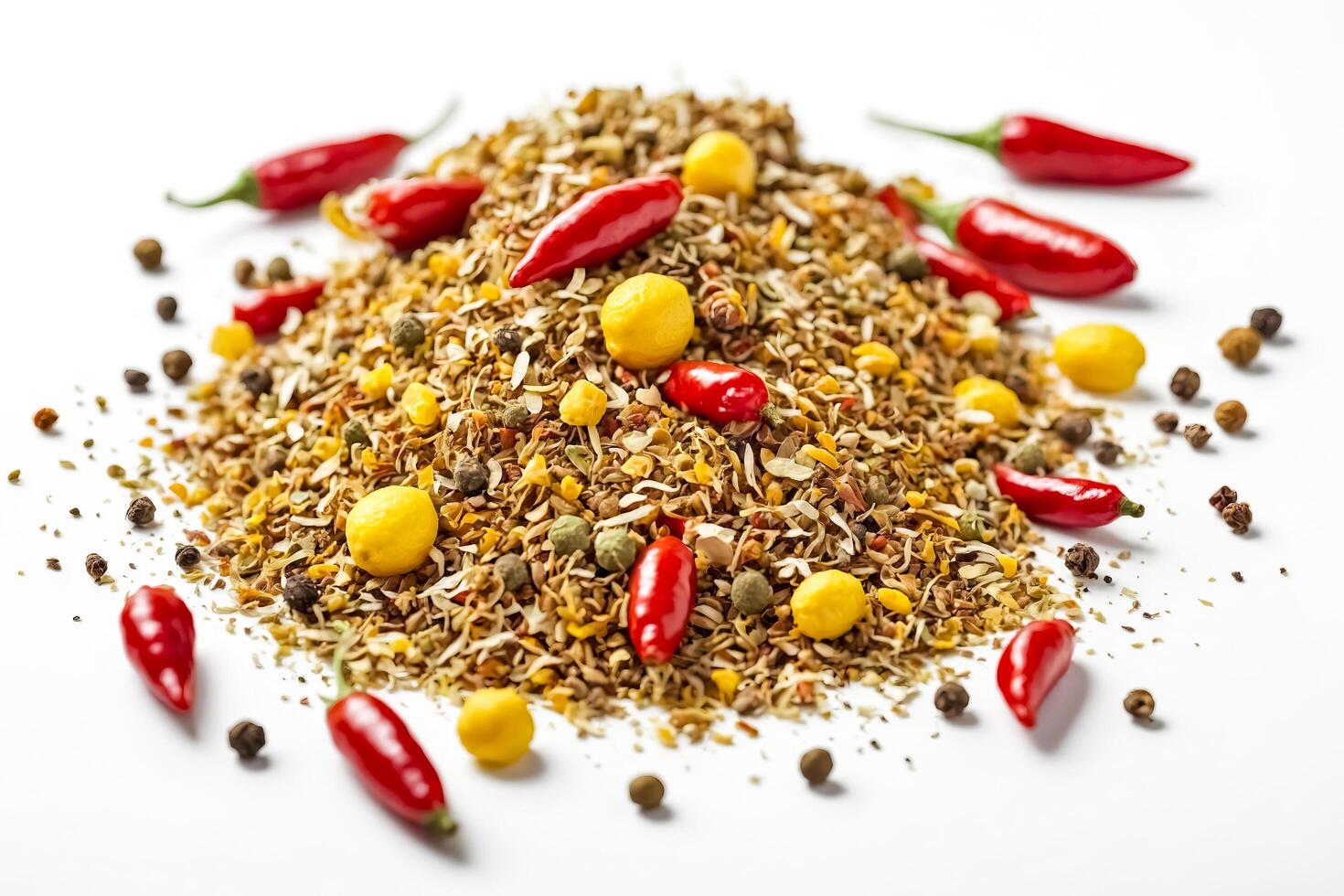
Is Cajun Seasoning Gluten Free?

Is Cajun Seasoning Gluten Free?

Cajun seasoning is typically gluten-free, as it’s usually made from a blend of herbs and spices like paprika, cayenne, garlic powder, onion powder, oregano, and thyme. However, it’s always important to check the label of any store-bought seasoning blend, as some manufacturers may add gluten-containing ingredients or process their products in facilities that handle gluten.

TL;DR

Cajun seasoning is typically gluten-free, as it’s usually made from a blend of herbs and spices like paprika, cayenne, garlic powder, onion powder, oregano, and thyme. However, it’s always important to check the label of any store-bought seasoning blend, as some manufacturers may add gluten-containing ingredients or process their products in facilities that handle gluten.

Quick Tips

1

Boosts metabolism: Many spices in Cajun seasoning, like cayenne pepper, can increase metabolic rate.

2

Anti-inflammatory properties: Ingredients like garlic and paprika have anti-inflammatory effects.

3

Antioxidant-rich: Many spices in the blend are high in antioxidants, which help fight free radicals.

# In This Article

3 sections

Quick navigation to each section of this article:

1 Benefits of Cajun Seasoning

Boosts metabolism: Many spices in Cajun seasoning, like cayenne pepper, can increase metabolic rate.

Jump
2 Who should avoid Cajun Seasoning

Individuals with high blood pressure: Cajun seasoning often contains high amounts of salt, which can exacerbate hypertension.

Jump
3 Related Gluten Free Products

Here are five gluten-free options similar to Cajun Seasoning, along with brief descriptions:

Jump

Benefits of Cajun Seasoning

Benefits of Cajun Seasoning
Boosts metabolism: Many spices in Cajun seasoning, like cayenne pepper, can increase metabolic rate.
Anti-inflammatory properties: Ingredients like garlic and paprika have anti-inflammatory effects.
Antioxidant-rich: Many spices in the blend are high in antioxidants, which help fight free radicals.
May improve heart health: Some components, like garlic and onion powder, can support cardiovascular health.
Potential pain relief: Capsaicin in cayenne pepper may help alleviate certain types of pain.
Supports digestive health: Some spices can stimulate digestive enzymes and improve gut health.
May have antibacterial properties: Certain spices in the blend can help fight harmful bacteria.
Could aid in weight management: The metabolism boost and flavor enhancement may support weight loss efforts.
Potential blood sugar regulation: Some spices may help stabilize blood sugar levels.
Source of vitamins and minerals: Many spices contain essential nutrients like vitamin C, vitamin A, and iron.
May improve respiratory health: Some ingredients could help clear congestion and support lung function.Remember, while these benefits exist, moderation is key, as Cajun seasoning can be high in sodium.

Who should avoid Cajun Seasoning

Who should avoid Cajun Seasoning
Individuals with high blood pressure: Cajun seasoning often contains high amounts of salt, which can exacerbate hypertension.
People with sodium-restricted diets: Due to its high salt content, those limiting sodium intake should avoid or use Cajun seasoning sparingly.
Individuals with gastrointestinal sensitivities: The spices in Cajun seasoning may irritate those with conditions like gastritis, acid reflux, or irritable bowel syndrome.
People with spice allergies: Some may be allergic to specific components of Cajun seasoning, such as paprika or garlic.
Those with peptic ulcers: The spicy nature of Cajun seasoning might aggravate ulcers.
Individuals with certain medication interactions: Some spices can interact with blood thinners or other medications.
Young children: The intense flavors might be too strong for young palates and digestive systems.
Pregnant women: While generally safe in moderation, some doctors advise limiting spicy foods during pregnancy.
People with oral sensitivities: Those with mouth sores or sensitive oral tissues may find Cajun seasoning irritating.
Individuals prone to heartburn: The spices in Cajun seasoning can trigger or worsen heartburn in susceptible individuals.Always consult with a healthcare provider if you have concerns about incorporating Cajun seasoning into your diet, especially if you have pre-existing health conditions.
ENJOY YOUR FAVORITE FOODS FEARLESSLY!
Don’t let gluten hold you back. Take Anti-Gluten Pills before your meal and enjoy peace of mind.
SHOP ANTI-GLUTEN PILLS
Clinically proven · Up to 86% gluten reduction · Fast acting

Here are five gluten-free options similar to Cajun Seasoning, along with brief descriptions:

Related Gluten Free Products
Old Bay Seasoning- A blend of herbs and spices including celery salt, red pepper, and paprika- Commonly used for seafood dishes, but versatile for various recipes- Offers a savory, spicy flavor profile with a hint of sweetness
Creole Seasoning- A mix of paprika, garlic powder, onion powder, oregano, and other spices- Similar to Cajun seasoning but typically milder and more herb-forward- Used in many Louisiana-style dishes and seafood preparations
Jerk Seasoning- A Jamaican spice blend featuring allspice, scotch bonnet peppers, and thyme- Provides a spicy, sweet, and smoky flavor profile- Often used for grilling meats and in Caribbean-inspired dishes
Za'atar- A Middle Eastern herb and spice mixture containing dried herbs, sesame seeds, and sumac- Offers a tangy, nutty, and herbaceous flavor- Versatile seasoning used in various dishes, from meats to vegetables and breads
Harissa Seasoning- A North African spice blend with chili peppers, garlic, cumin, and coriander- Provides a spicy, smoky flavor with a hint of sweetness- Used as a dry rub for meats or mixed with oil to create a paste for various dishesThese seasonings offer diverse flavor profiles and can be used as alternatives to Cajun seasoning in many recipes, providing variety in your gluten-free cooking.

Health Information

? Frequently Asked Questions

4 questions
1 Is Cajun spice Mix gluten free?
Cajun spice mix is typically gluten-free. It usually consists of a blend of herbs and spices like paprika, cayenne, garlic powder, oregano, and thyme. However, it's always important to check the label of any pre-made spice mix, as some brands may include additives or anti-caking agents that contain gluten. If you're highly sensitive to gluten, it's safest to make your own Cajun spice mix at home using individual spices.
2 Is McCormick Cajun seasoning gluten free?
McCormick Cajun seasoning is generally considered gluten-free. The company states that most of their single-ingredient spices and herbs are gluten-free. However, it's always best to check the label for the most up-to-date information. If you have celiac disease or severe gluten sensitivity, you may want to contact McCormick directly to confirm the gluten-free status of specific products.
3 What seasonings are not gluten free?
Many seasonings are naturally gluten-free, but some may contain gluten or be at risk of cross-contamination. Common seasonings that often contain gluten include soy sauce, teriyaki sauce, and some blended spice mixes. Malt vinegar, derived from barley, is not gluten-free. Always check labels carefully, as manufacturers may use gluten-containing ingredients as anti-caking agents or fillers in some seasoning blends.
4 What does Cajun seasoning contain?
Cajun seasoning typically contains a blend of spices and herbs. The most common ingredients are paprika, cayenne pepper, garlic powder, onion powder, and oregano. Some variations may also include thyme, black pepper, salt, and red pepper flakes. The exact proportions and additional ingredients can vary between different brands and recipes.
LIVE GLUTEN-FREE WITHOUT THE FUSS!
Introducing Tolerase® G, clinically proven to reduce up to 86% of gluten in under 10 minutes. Experience the freedom to eat what you love.
SHOP ANTI-GLUTEN PILLS
150mg pure Tolerase® G · Reduces gluten by 86% · Under 10 minutes

Our Expert

Drs. Ilse van Asperen, Orthomolecular Therapist and Nutritional Coach

Drs. Ilse van Asperen

Orthomolecular Therapist, Nutritional Coach & Professional Editor

Drs. Ilse van Asperen is a medical doctor specialising in orthomolecular therapy and nutritional coaching. With a background in public and clinical health research and management, she focuses on addressing the root causes of health issues through diet, gut health, and stress reduction. As a professional editor for Little Helpers, she reviews all gluten-free content to ensure accuracy, safety, and scientific credibility. Read more on Drs. Ilse van Asperen's own website

Our Sources

The information on this page is based on reputable health and nutrition organisations, ensuring accuracy and reliability for anyone following a gluten-free diet. For further details, see the sources below.
Sources

Similar Articles

Back to blog