Share
TL;DR
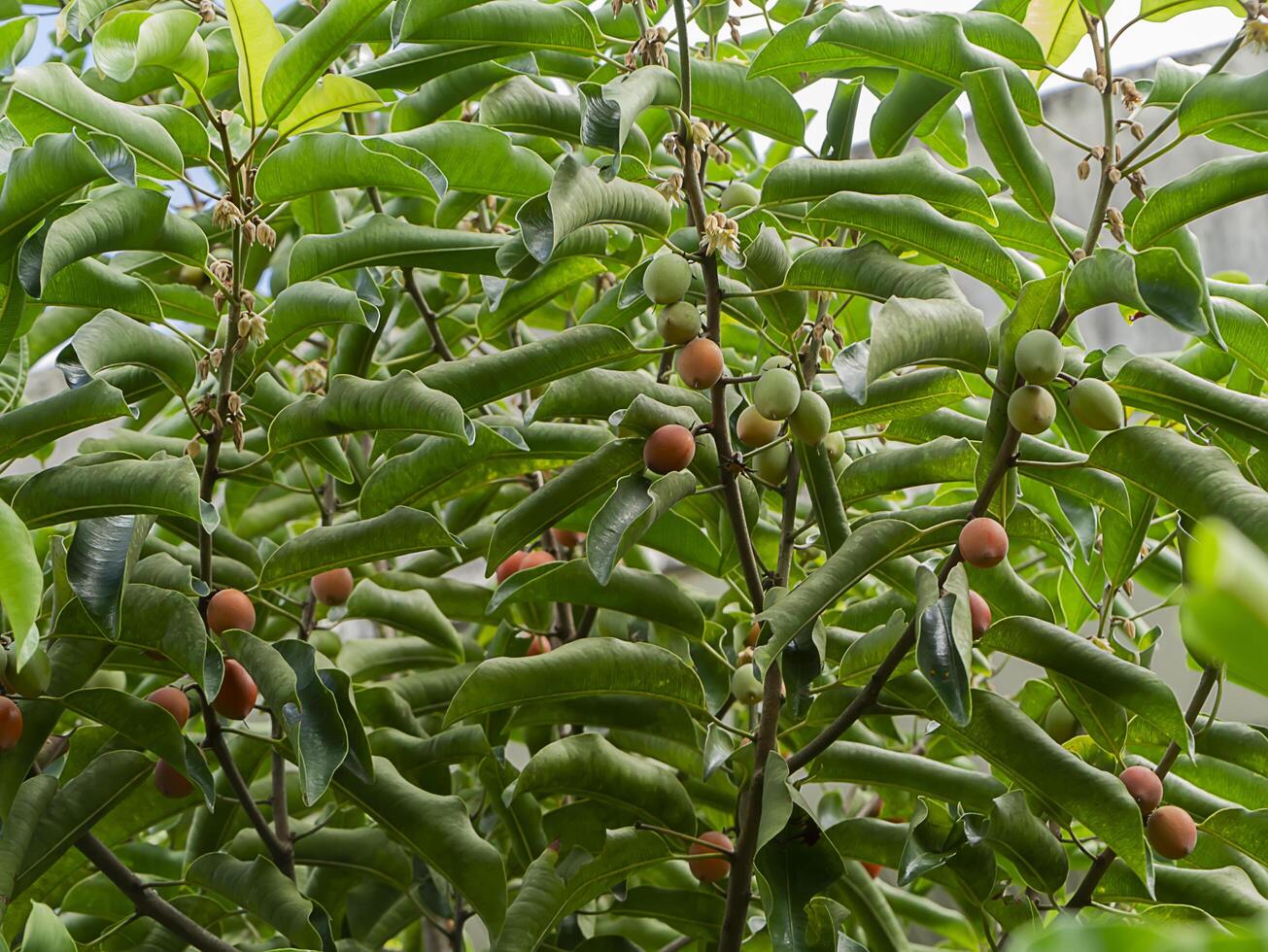
Yes, carob bean gum is gluten-free. It is derived from the seeds of the carob tree and does not contain any gluten proteins, making it safe for people with celiac disease or gluten sensitivity.
Quick Tips
1Low in calories: It can be used as a low-calorie thickening agent in foods and beverages.
2Dietary fiber: Carob bean gum is a good source of soluble fiber, which can aid digestion and promote gut health.
3Blood sugar regulation: The soluble fiber in carob bean gum may help slow down sugar absorption, potentially helping to regulate blood glucose levels.
# In This Article
3 sectionsQuick navigation to each section of this article:
1 Benefits of Carob Bean Gum
Low in calories: It can be used as a low-calorie thickening agent in foods and beverages.
Jump2 Who should avoid Carob Bean Gum
Infants and young children: Due to potential digestive issues and allergic reactions, carob bean gum is not recommended for infants and should be used with caution in young children.
Jump3 Related Gluten Free Products
Here are five similar gluten-free options to Carob Bean Gum, along with short descriptions:
JumpBenefits of Carob Bean Gum
| Benefits of Carob Bean Gum |
|---|
| Low in calories: It can be used as a low-calorie thickening agent in foods and beverages. |
| Dietary fiber: Carob bean gum is a good source of soluble fiber, which can aid digestion and promote gut health. |
| Blood sugar regulation: The soluble fiber in carob bean gum may help slow down sugar absorption, potentially helping to regulate blood glucose levels. |
| Cholesterol reduction: Some studies suggest that carob bean gum may help lower LDL (bad) cholesterol levels. |
| Weight management: Its fiber content can promote feelings of fullness, potentially aiding in weight control. |
| Prebiotic properties: It may support the growth of beneficial gut bacteria, promoting a healthy microbiome. |
| Antioxidant properties: Carob bean gum contains polyphenols, which have antioxidant effects. |
| Gluten-free: It’s a suitable thickening agent for those following a gluten-free diet. |
| Diarrhea relief: Some studies indicate it may help reduce the duration and severity of diarrhea, especially in infants. |
| Improved mineral absorption: It may enhance the absorption of certain minerals like calcium in the gut.Note that while these potential benefits exist, more research is needed to fully understand the extent of carob bean gum’s health effects. As with any dietary supplement, it’s best to consult with a healthcare professional before making significant changes to your diet. |
Who should avoid Carob Bean Gum
| Who should avoid Carob Bean Gum |
|---|
| Infants and young children: Due to potential digestive issues and allergic reactions, carob bean gum is not recommended for infants and should be used with caution in young children. |
| People with gastrointestinal disorders: Those with conditions like irritable bowel syndrome (IBS), Crohn’s disease, or ulcerative colitis may experience worsened symptoms. |
| Individuals with known allergies to legumes: Carob is a legume, so people allergic to other legumes (e.g., peanuts, soybeans) may have a higher risk of allergic reactions. |
| Those with galactosemia: A rare genetic disorder that affects how the body processes galactose, a sugar present in carob bean gum. |
| People with difficulty swallowing: Carob bean gum can swell when mixed with liquids, potentially causing choking in those with swallowing issues. |
| Individuals taking certain medications: Carob bean gum may interfere with the absorption of some medications, so it’s best to consult a healthcare provider. |
| Those with a known sensitivity or allergy to carob: Some people may have specific allergies to carob or carob-derived products. |
| Pregnant or breastfeeding women: While generally considered safe, it’s always best to consult with a healthcare provider before consuming new additives during pregnancy or while breastfeeding. |
Related Gluten Free Products
Here are five similar gluten-free options to Carob Bean Gum, along with short descriptions:
| Related Gluten Free Products |
|---|
| Xanthan Gum:A fermented corn sugar-based thickener and stabilizer that provides texture and helps bind ingredients in gluten-free baking and cooking. It's versatile and commonly used in gluten-free products. |
| Guar Gum:Derived from guar beans, this thickening agent is used to improve texture and shelf life in gluten-free baked goods. It's also effective in cold applications like ice cream and salad dressings. |
| Psyllium Husk:A fiber-rich seed husk that forms a gel-like substance when mixed with liquid. It's used in gluten-free baking to improve texture, add fiber, and help bind ingredients together. |
| Agar Agar:A vegan gelatin substitute derived from seaweed. It's used as a thickening and gelling agent in various gluten-free foods, including desserts, jellies, and some baked goods. |
| Pectin:A naturally occurring polysaccharide found in fruits, pectin is used as a gelling agent and stabilizer in jams, jellies, and some gluten-free baked goods to improve texture and moisture retention. |
Health Information
? Frequently Asked Questions
4 questions1 Is carob bean gum gluten?
2 Is carob gluten free?
3 Can celiacs eat guar gum?
4 What is carob bean gum made of?
Our Expert
Drs. Ilse van Asperen
Orthomolecular Therapist, Nutritional Coach & Professional Editor
Drs. Ilse van Asperen is a medical doctor specialising in orthomolecular therapy and nutritional coaching. With a background in public and clinical health research and management, she focuses on addressing the root causes of health issues through diet, gut health, and stress reduction. As a professional editor for Little Helpers, she reviews all gluten-free content to ensure accuracy, safety, and scientific credibility. Read more on Drs. Ilse van Asperen's own website
Our Sources
The information on this page is based on reputable health and nutrition organisations, ensuring accuracy and reliability for anyone following a gluten-free diet. For further details, see the sources below.